


Fresh Dates vs. Stored Dates: How to Identify High-Quality Dates
Summary: Understanding the difference between fresh and stored dates is important for bulk buyers, importers, exporters, wholesalers, and food manufacturers. Freshness alone does not determine date quality. Texture, moisture, color, aroma, taste, packaging, and storage conditions should all be considered when evaluating dates for commercial use.
Dates are harvested during a specific season, while demand for dates continues throughout the year. For this reason, dates may be stored after harvesting and then supplied to domestic and international markets at different times. Proper storage allows suppliers to preserve the quality of dates and maintain a stable supply beyond the harvest season.
This means that a stored date is not automatically an inferior product. For bulk buyers, the most important question is not simply whether the dates are fresh or stored, but whether they have been handled, packaged, and stored under suitable conditions for their specific variety and intended market.
What Are Fresh Dates?
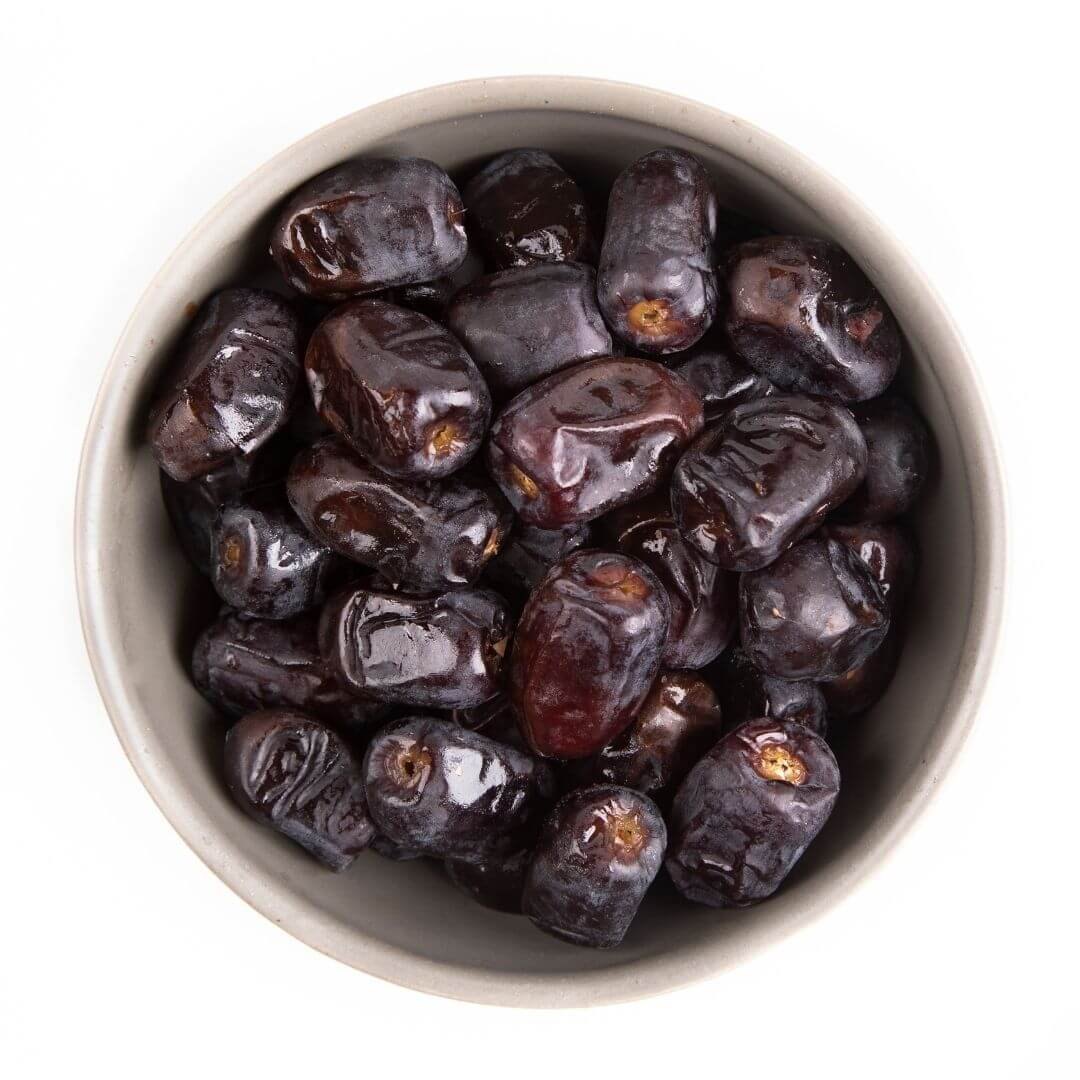
Fresh dates are generally dates that are closer to their harvest and ripening stage and have spent less time in storage before reaching the market. Their characteristics vary significantly depending on the date variety. Soft dates, semi-dry dates, and dry dates naturally have different moisture levels and textures, so freshness should always be evaluated according to the characteristics of the specific variety.
- Natural aroma and flavor characteristic of the variety
- Healthy texture appropriate for the variety
- Natural appearance without signs of spoilage
- Color consistent with the variety and ripeness stage
What Are Stored Dates and Does Storage Reduce Quality?
Stored dates are dates that have been kept after harvesting under controlled or appropriate storage conditions before being supplied to the market. Storage is an important part of the commercial date supply chain because the harvest season is limited, while consumers, wholesalers, food manufacturers, and international buyers require dates throughout the year.
Proper storage can help preserve the quality and commercial value of dates. However, unsuitable temperature, excessive humidity, poor packaging, inadequate hygiene, or excessively long storage can negatively affect texture, appearance, flavor, and overall product quality.
Key Differences Between Fresh and Stored Dates
- Time to market: Fresh dates generally reach the market closer to harvest, while stored dates may be supplied later.
- Texture: Storage may cause changes in moisture and texture depending on the variety and conditions.
- Aroma and flavor: Fresh dates may have a more pronounced natural aroma, while properly stored dates should retain the characteristic flavor of their variety.
- Shelf life: Appropriate storage helps extend the period during which dates can be commercially distributed.
An Important Point for Bulk Buyers
Freshness should not be used as the only indicator of quality. A properly stored batch can be more commercially suitable than a supposedly fresh batch that has been exposed to unsuitable temperatures, excessive moisture, contamination, or poor handling. For wholesale purchases, overall product condition and storage history are more important than the simple label of “fresh” or “stored.”
How to Identify High-Quality Dates
Identifying high-quality dates requires more than checking their appearance. Professional buyers should evaluate a combination of visual, sensory, physical, and commercial characteristics. This is particularly important for bulk purchases, where variations in quality can affect processing performance, packaging, shelf life, customer satisfaction, and overall profitability.
1. Check Color and Appearance
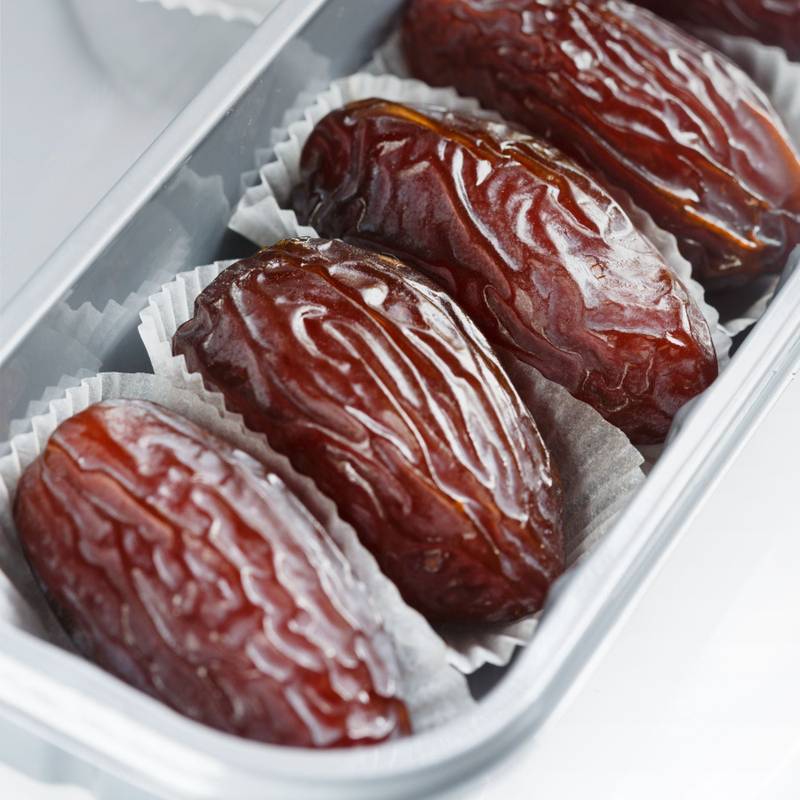
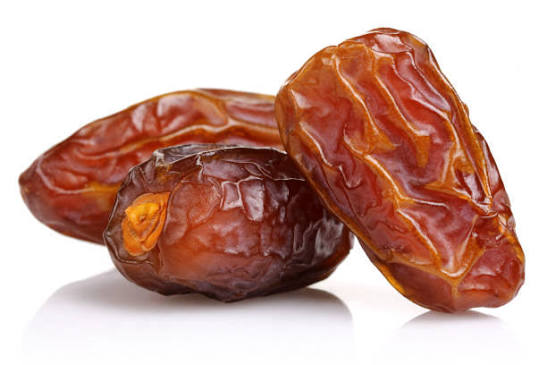
The color of a high-quality date should be natural and appropriate for its variety and ripeness stage. Excessive discoloration, suspicious spots, visible mold, or unusual surface changes should be investigated before purchasing a large quantity.
2. Evaluate Texture and Moisture
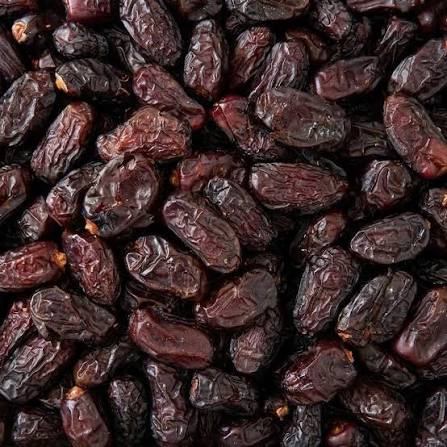
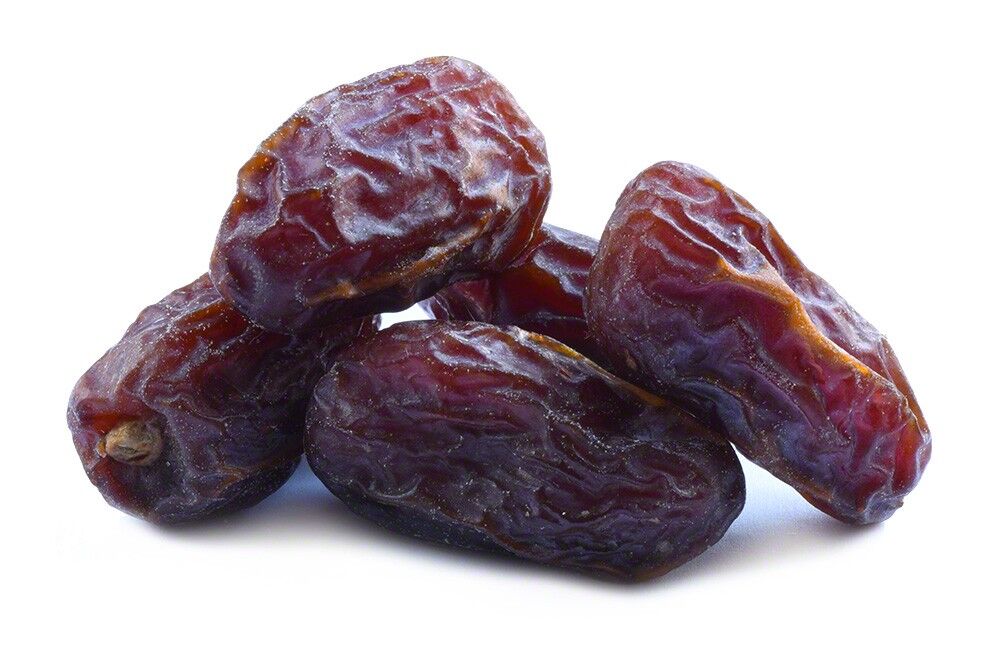
Texture is one of the most important quality indicators in dates. Soft, semi-dry, and dry varieties naturally have different textures, so the product should be evaluated according to its specific variety. Dates should not be excessively watery, damaged, fermented, or abnormally dry for their intended grade.
3. Check Aroma and Taste
High-quality dates should have a natural aroma and flavor consistent with their variety. Unusual odors, sourness, fermentation notes, or unpleasant flavors may indicate unsuitable storage or deterioration and should be treated as warning signs.
4. Inspect the Skin and Surface
The skin and surface of the dates should be clean and appropriate for the variety. Visible mold, severe physical damage, contamination, or signs of spoilage can reduce the commercial value and suitability of a shipment.
Quality Checklist for Bulk Date Buyers
- ✔️ Natural and uniform color
- ✔️ Appropriate texture and moisture level
- ✔️ Natural aroma and taste
- ✔️ No visible mold or serious signs of spoilage
- ✔️ Suitable packaging and hygiene conditions
- ✔️ Reliable and appropriate storage conditions
What Should You Check Before Buying Dates in Bulk?
When purchasing dates in bulk, buyers should evaluate the product before finalizing a large order. In addition to variety and grade, it is important to consider moisture level, texture, size, uniformity, packaging, storage conditions, intended application, and destination-market requirements. Requesting and evaluating a product sample before confirming a large shipment can significantly reduce purchasing risks.
- ✔️ Request a representative sample before placing a large order.
- ✔️ Check size, color, texture, and quality consistency throughout the batch.
- ✔️ Ask about storage conditions and packaging specifications.
- ✔️ Consider the quality requirements of the destination market.
- ✔️ Choose a supplier capable of maintaining consistent quality and stable supply.
Why Does Supplier Reliability Matter?
Consistent raw material quality is essential for wholesalers, food manufacturers, retailers, and international importers. Variations in moisture, size, texture, or grade can affect processing, packaging, shelf life, and customer satisfaction. Working with a reliable date supplier can make it easier to maintain consistent product specifications across multiple orders.
Conclusion: Fresh or Stored Dates – Which Is Better?
There is no simple rule that fresh dates are always better than stored dates. The quality of a date depends on its variety, ripeness, moisture level, texture, handling, packaging, hygiene, and storage conditions. Properly stored dates can retain excellent quality and remain suitable for wholesale distribution, retail packaging, food processing, and international export. For bulk buyers, the best approach is to evaluate the actual product rather than relying only on the label of “fresh” or “stored.” Checking samples, verifying specifications, and working with a reliable supplier are key steps toward securing consistent, high-quality dates for long-term business.
*This content is provided for product information and SEO optimization.