
Why Do Dates Have Different Colors? A Guide to Natural Date Fruit Colors
Dates come in a wide range of colors. Some are yellow or red, others are light brown, and many mature fruits have dark brown or nearly black skin. These differences are not merely cosmetic: color can reflect the variety, stage of maturity, and conditions after harvest. But why do dates have different colors?
Article at a glance: Date color is influenced by cultivar genetics, naturally occurring pigments, fruit maturity, and post-harvest conditions. No single color automatically indicates superior or inferior quality.
1. How Does the Natural Color of Dates Develop?
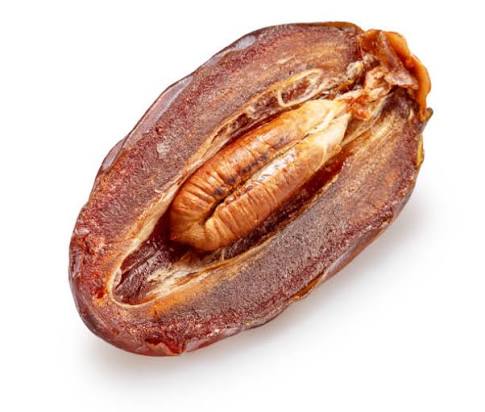
Fruit color results from a combination of genetic characteristics and biological processes. In dates, naturally occurring pigments and other compounds contribute to the appearance of the skin and, depending on the variety, the fruit flesh.
The type and concentration of these compounds differ among cultivars. As the fruit develops and ripens, its skin color and other physical characteristics may also change. For this reason, color should be assessed in the context of the specific variety and its expected maturity stage.
2. Why Are Some Dates Yellow, Red, Brown, or Dark?
Date colors can generally be described in several broad groups. The exact shade and intensity depend on the cultivar and growing conditions.
- Yellow dates: Some varieties have yellow fruit at particular stages of development or at a suitable harvest stage. Yellow color alone does not necessarily mean the fruit is unripe.
- Red dates: Red coloration is a natural characteristic of certain cultivars at specific stages of development.
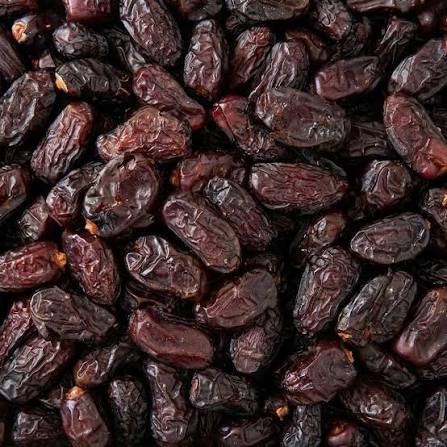
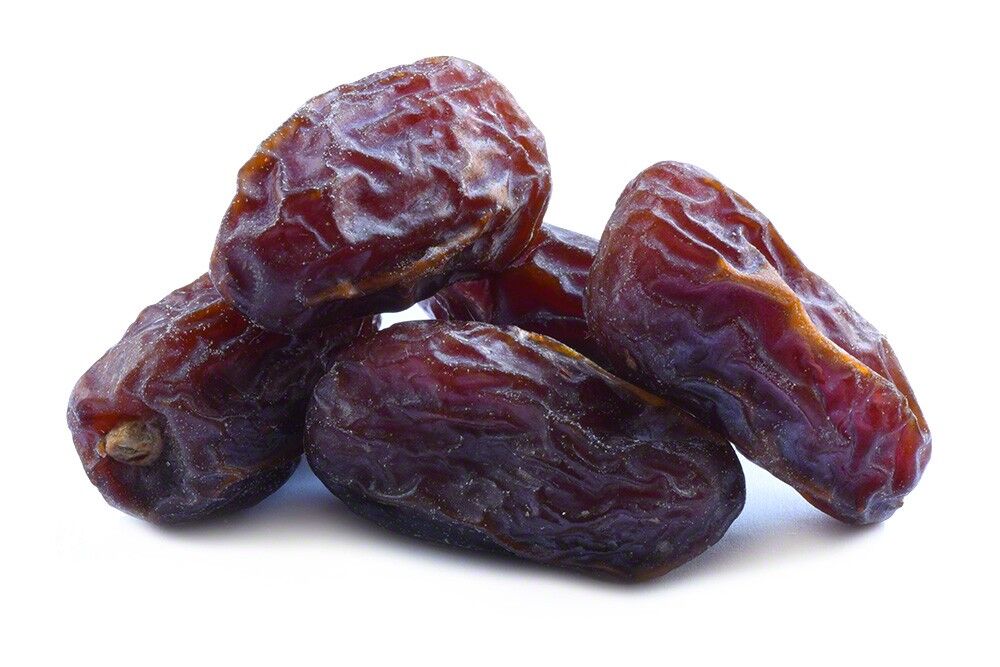
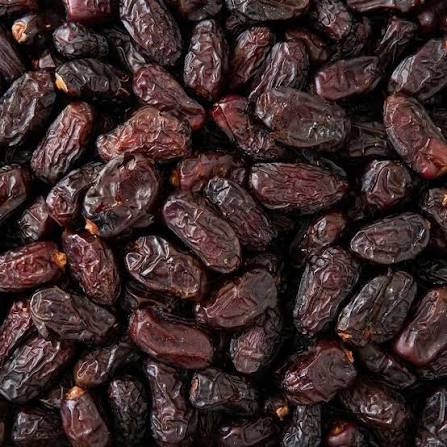
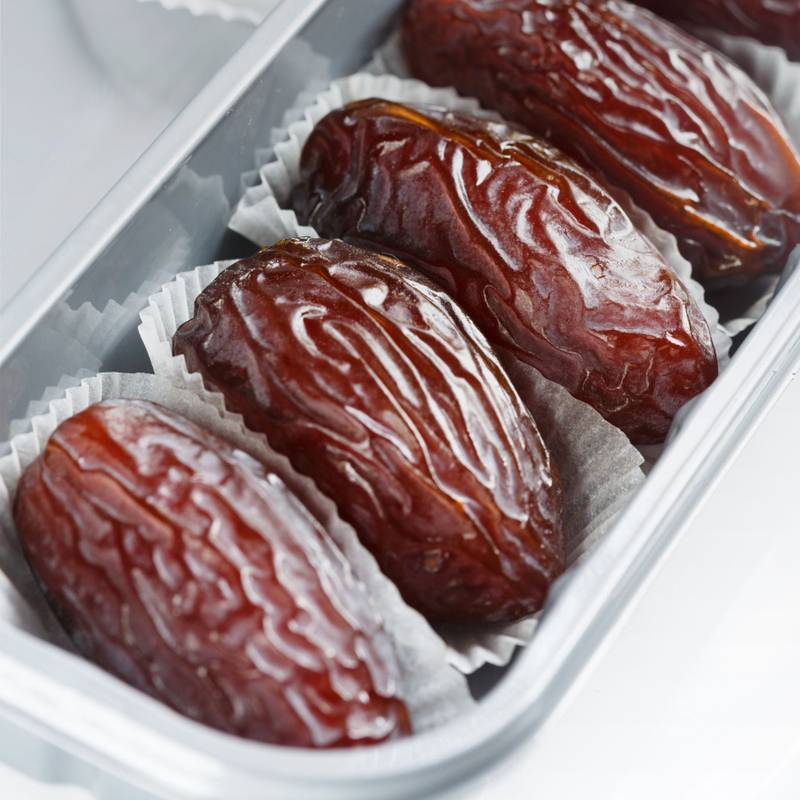
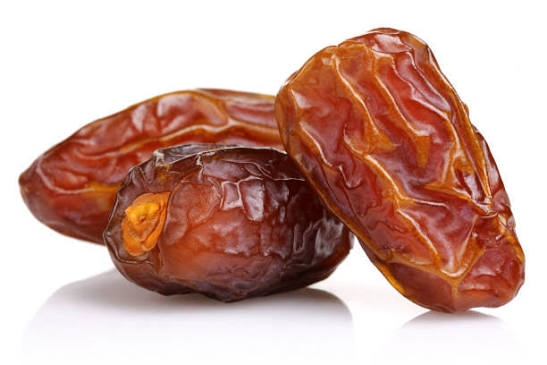
- Brown dates: Many varieties develop different shades of brown as they mature, with considerable variation between cultivars.
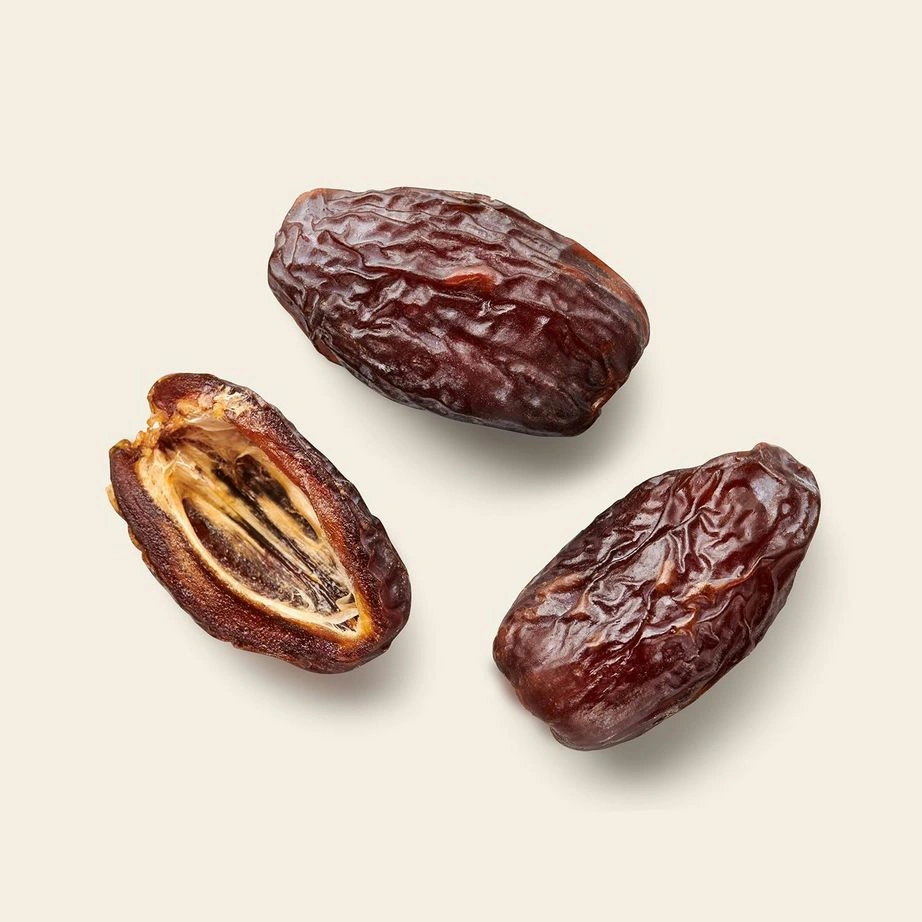
- Dark brown or nearly black dates: Dark coloration may be a normal feature of particular varieties and does not automatically indicate poor quality or spoilage.
These categories are broad descriptions rather than strict classifications. One variety may range from light to dark brown, while another retains a different characteristic color at maturity.
3. How Does Ripeness Affect Date Color?
The chemical composition and physical appearance of dates change during fruit development. Skin color may shift as the fruit matures, but the pattern and timing of these changes vary by cultivar.
Some dates are yellow or red at earlier stages and develop different colors as they mature. Other varieties may retain a relatively light appearance at an appropriate harvest stage. Therefore, no single color rule can reliably determine the maturity of every date variety.
4. Can Storage Conditions Change the Color of Dates?
Yes. Storage conditions can affect the appearance of dates. Exposure to oxygen, temperature, humidity, and storage duration may contribute to color changes or deterioration in visual quality.
However, not every color change indicates spoilage. Some changes may be associated with maturity or storage conditions. Unusual discoloration should be assessed more carefully when accompanied by mold, unpleasant odors, abnormal leakage, or an unusual texture.
Important note: Do not rely on color alone to assess date quality. Aroma, texture, characteristic flavor, storage conditions, and the presence or absence of spoilage signs should also be considered.
5. Are Darker Dates Better Quality?
No. Darker color alone does not mean that dates are higher quality, sweeter, or more nutritious. Some varieties are naturally dark, while others have a lighter appearance when properly mature.
Quality should be assessed against the expected characteristics of the specific variety. Product uniformity, sound skin, appropriate texture, natural aroma and flavor, and the absence of contamination or spoilage are important considerations. For commercial applications, buyer specifications and target-market requirements also play a role.
Conclusion
The different colors of dates result from a combination of cultivar genetics, natural pigments, maturity, and storage conditions. From yellow and red to brown and dark varieties, each color may be part of a fruit's natural characteristics. To assess quality accurately, color should always be considered alongside texture, aroma, flavor, and overall condition.
Explore the Variety of Mia Dates
Discover different date varieties and explore Mia products to learn more about their characteristics and applications.
Explore Mia Products