

Why Does the Quality of the Same Date Variety Vary from One Region to Another?
A date variety has a specific genetic identity that determines many of its basic characteristics. However, genetics are only one part of the quality equation. The environment in which the date palm grows and the way the orchard is managed can influence how those characteristics develop.
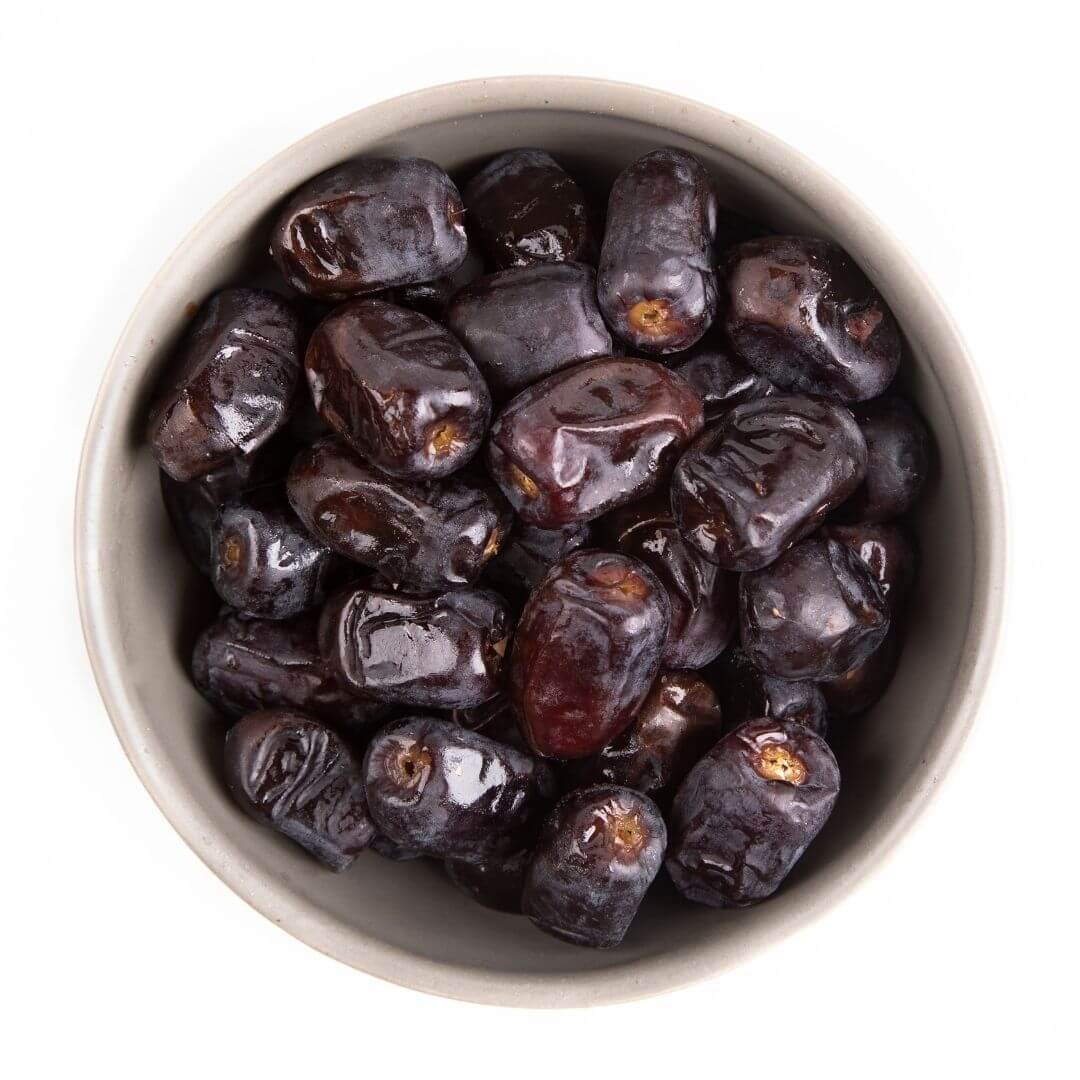
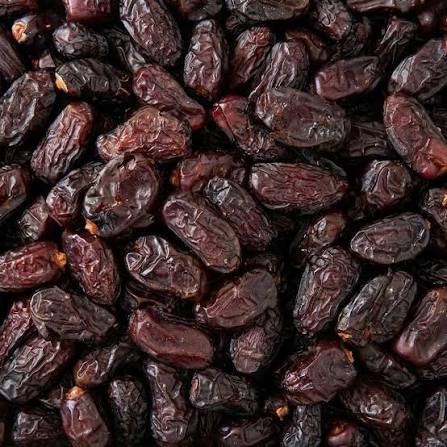
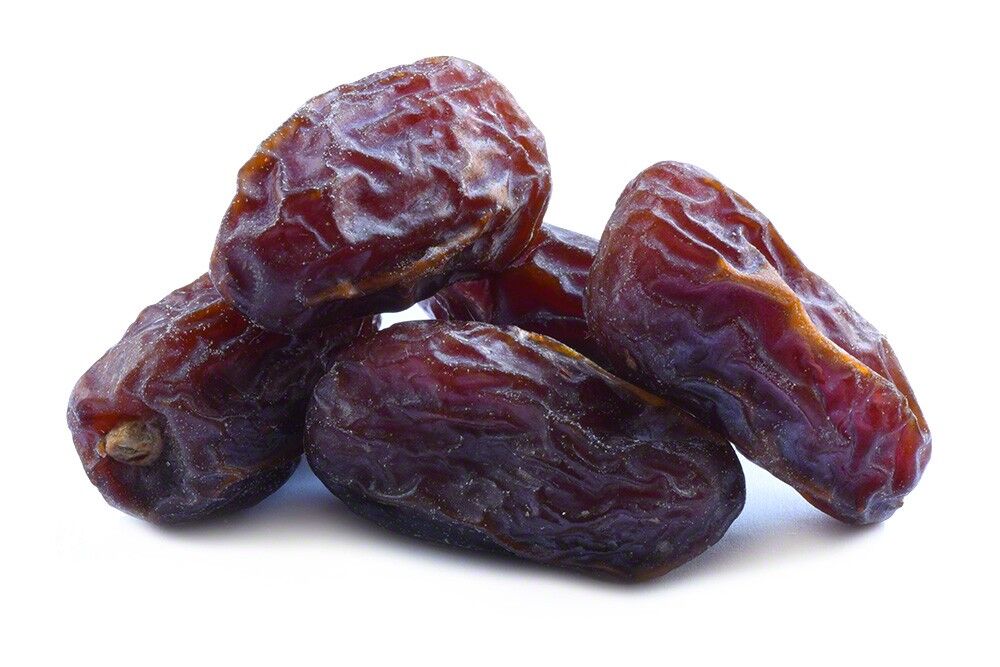
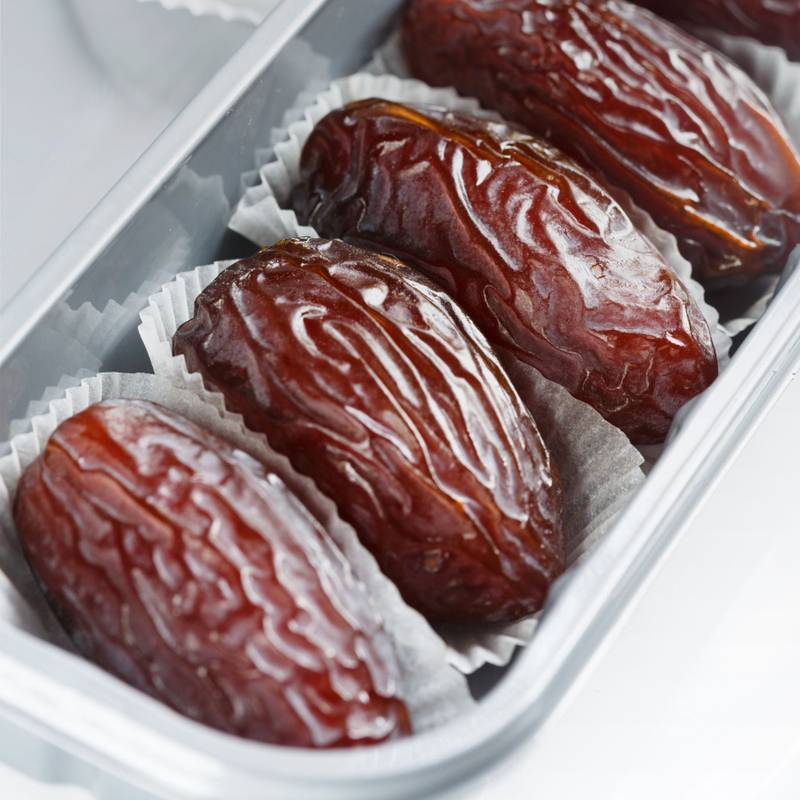
This is why the same variety may not look, feel, or perform exactly the same when produced in two different regions. Differences may appear in fruit size, moisture, texture, color, sweetness, wrinkling, and overall physical condition.
For bulk buyers, understanding these regional differences is important because the name of a date variety alone does not provide a complete description of a commercial shipment. Origin, production conditions, maturity, handling, and product specifications should also be considered.
The Role of Genetics in Date Quality
Genetics provide the basic framework of a date variety. Characteristics such as typical fruit shape, seed characteristics, natural color, potential size, texture, and maturation behavior are strongly related to the variety itself.
However, the genetic potential of a variety does not mean that every crop will develop identical characteristics under every growing condition. Environmental factors can influence the development of the fruit throughout the growing season.
Temperature and Date Development
Temperature is one of the major environmental factors affecting date palm growth and fruit development. Different stages of fruit development can respond differently to temperature conditions.
When the temperature profile of two production regions differs, the development rate and physical characteristics of the fruit may also differ. This can contribute to variations in size, maturity, moisture, texture, and appearance.
The Effect of Humidity on Date Characteristics
Humidity is another environmental factor that can influence the physical condition of dates. The relationship between temperature, atmospheric humidity, and fruit moisture can affect how dates develop and how their surface and texture appear.
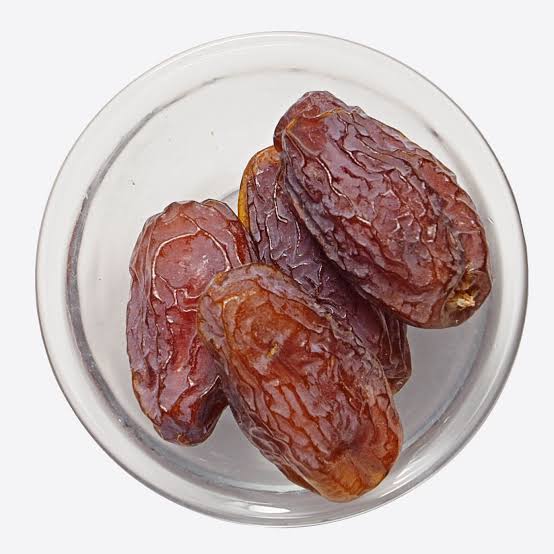
Dates grown in different climatic environments may therefore develop different levels of moisture, softness, wrinkling, and surface characteristics, even when they belong to the same variety.
For commercial buyers, these differences can be relevant because moisture and texture are often included in product specifications for bulk orders.
Water Availability and Irrigation
Water availability is an important part of date palm production. The amount and timing of water available to the palm can influence vegetative growth and fruit development.
Irrigation practices can also vary between production regions. Differences in irrigation schedules, water quality, soil drainage, and local environmental conditions may contribute to differences in the physical characteristics of harvested dates.
Water management should therefore be considered together with climate and soil conditions rather than evaluated as an isolated factor.
How Soil Conditions Can Influence Date Quality
Soil characteristics can influence the growing environment of date palms. Factors such as soil structure, drainage, salinity, and nutrient availability can affect the conditions in which the palm develops.
Different soils can provide different levels of water availability and nutrient accessibility. These differences may indirectly influence fruit development and the final physical characteristics of dates.
Soil should therefore be viewed as part of a larger production system that includes irrigation, climate, orchard management, and the genetic characteristics of the variety.
The Influence of Orchard Management
Production practices can also contribute to differences between crops of the same variety. Orchard management includes irrigation, fertilization, pest and disease management, pollination practices, fruit load management, and other cultivation decisions.
When production practices differ between regions or farms, the resulting fruit may also show differences in size, uniformity, texture, moisture, and general appearance.
This is one reason why two shipments carrying the same variety name may not necessarily have identical commercial specifications.
Harvest Timing and Regional Differences
Harvest timing is another important factor. Even within the same variety, the maturity stage at harvest can influence moisture, texture, color, wrinkling, and overall fruit condition.
Differences in climate and growing conditions can influence the timing of fruit maturation. As a result, dates from different regions may reach commercially suitable characteristics at different points in the season.
For bulk buyers, the maturity stage should therefore be evaluated together with the origin and variety rather than assuming that all dates of the same variety have identical characteristics.
Why Can Date Size Differ Between Regions?
Fruit size is influenced by genetic characteristics as well as growing conditions. Water availability, nutrient status, temperature, crop load, and overall orchard management can all contribute to differences in fruit development.
Therefore, the same date variety may produce fruit with different average sizes in different production areas. This does not automatically indicate that one crop is better or worse; it may simply reflect different production conditions.
Regional Differences in Texture and Moisture
Texture and moisture are particularly important commercial characteristics of dates. They influence how the fruit is handled, stored, transported, packaged, and processed.
Because environmental conditions influence fruit development and moisture relationships, the same variety can have noticeably different texture characteristics when produced in different regions.
- Moisture: can influence softness, chewiness, and storage behavior.
- Texture: can affect consumer acceptance and processing suitability.
- Wrinkling: can vary according to moisture and maturity characteristics.
- Fruit condition: can be influenced by environmental and post-harvest factors.
Does Region Determine Date Quality?
The production region is an important piece of information, but it should not be treated as a direct ranking of quality. A region may have environmental conditions that are suitable for producing a particular variety, but final quality still depends on the specific crop, orchard management, harvest stage, and post-harvest handling.
For this reason, buyers should avoid evaluating a bulk shipment solely by its geographical origin.
Why Sampling Is Important for Bulk Date Buyers
For wholesale and international purchases, a representative sample is one of the most useful ways to evaluate the actual characteristics of a date shipment. The sample allows buyers to assess the product rather than relying only on the variety name or production region.
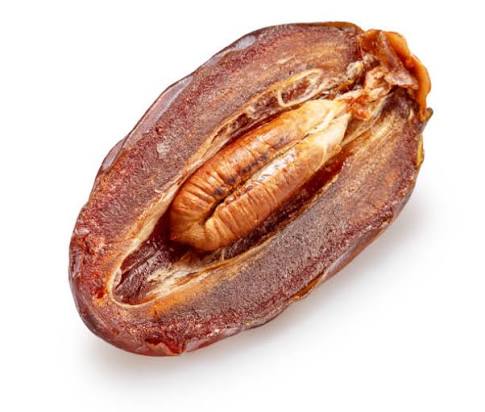
Depending on the intended application, buyers may evaluate size, color, moisture, texture, maturity, uniformity, visible defects, seed characteristics, and general fruit condition.
What Should Bulk Buyers Consider?
- Date variety
- Production region and growing conditions
- Harvest maturity
- Fruit size and uniformity
- Moisture and texture
- Color and visual appearance
- Visible defects and fruit condition
- Packaging and storage requirements
- Intended market or processing application
- Representative product sampling
Regional Origin and Commercial Date Specifications
For professional date sourcing, the growing region should be recorded as part of the product information, but it should be combined with measurable and agreed product specifications.
This approach gives buyers a clearer understanding of what they are purchasing and helps suppliers prepare shipments that meet the required characteristics for wholesale, export, distribution, or food processing.
Conclusion
The quality of the same date variety can vary from one region to another because date quality is the result of both genetic characteristics and the environment in which the fruit is produced. Temperature, humidity, water availability, irrigation, soil, salinity, orchard management, and harvest timing can all contribute to differences in the final product.
For bulk buyers, the most reliable approach is to consider the variety and production region as important background information, while evaluating the actual product through representative samples and clearly defined commercial specifications.
Looking for Iranian Dates for Bulk Purchase?
If you are sourcing Iranian dates for wholesale, export, distribution, or food processing, we can discuss the required variety, origin, quality specifications, and intended application before a bulk order.
Contact Us for Bulk OrdersDate quality can vary according to variety, climate, growing conditions, orchard management, harvest maturity, post-harvest handling, and storage conditions. Commercial quality should be confirmed through product sampling and agreed specifications.