
How Do Dates Grow? A Guide to Date Fruit Growth and Ripening
Summary: Dates grow on date palm trees after successful pollination. As the fruit develops, it changes in size, color, texture, moisture content and sweetness. Understanding the stages of date fruit growth helps explain how dates mature and when they are ready for harvest.
Dates are among the most important fruits cultivated in tropical and subtropical regions. They grow on the date palm, scientifically known as Phoenix dactylifera, a plant well adapted to hot climates. Date palms have long been cultivated throughout the Middle East and North Africa, where the fruit plays an important role in agriculture, food production and regional food traditions.
Date fruit development is a gradual process that begins with flowering and pollination and continues through several stages of growth and ripening. During this period, the fruit increases in size, its color changes according to the variety, and its sugar content, moisture level and texture develop toward their mature characteristics.
Stage 1: Date Palm Flowering and Pollination
Date fruit development begins with flowering. Date palms generally have separate male and female trees, so pollen from male flowers must reach the female flowers for fruit to develop. Pollination can occur naturally with the help of wind, but commercial date farms commonly use controlled pollination to improve fruit set and crop production.
Successful pollination is essential for a good crop. Pollen quality, pollination timing and environmental conditions can all influence fruit formation and the uniformity of the developing dates.
Stage 2: Hababouk — Early Fruit Formation
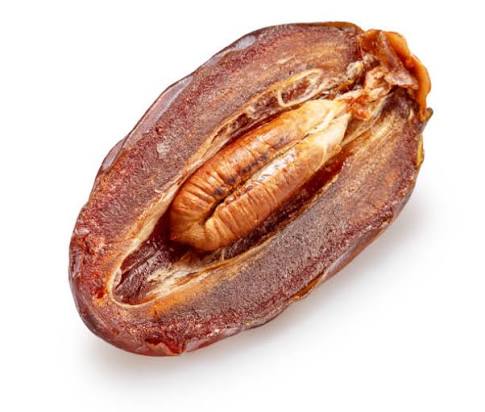
After successful pollination, small date fruits begin to form. This early stage is known as Hababouk. The fruit is still immature and relatively small, while its basic structure develops, including the skin, flesh and seed. The young dates gradually grow as the palm continues to supply them with water and nutrients.
Stage 3: Kimri — Rapid Growth of Green Dates
During the Kimri stage, date fruits continue to grow rapidly. They are generally green, firm and high in moisture. The fruit increases in size, the seed develops, and the flesh continues to form. This stage is important for establishing the size and physical characteristics of the mature fruit.
The duration of the Kimri stage varies by variety and growing environment. Suitable temperatures, adequate irrigation and healthy palm growth support the development of the fruit.
Stage 4: Khalal — Color Change and Increasing Sweetness
As the fruit matures, it enters the Khalal stage. Depending on the variety, the dates may change from green to yellow or red. Changes in sugar composition, pigmentation and fruit texture also occur during this period.
Some date varieties are harvested or consumed at the Khalal stage, while others need additional time to develop their characteristic flavor and texture. Color alone is therefore not a reliable indicator of harvest readiness for every variety.
Stage 5: Rutab — Soft and Moist Dates
Rutab is a ripening stage during which the fruit generally becomes softer and sweeter, with a moist texture. The exact characteristics depend on the variety and environmental conditions. Many dates are enjoyed fresh at this stage, although softer fruit may be more sensitive to pressure, physical damage and unsuitable storage conditions.
Stage 6: Tamar — Advanced Ripening
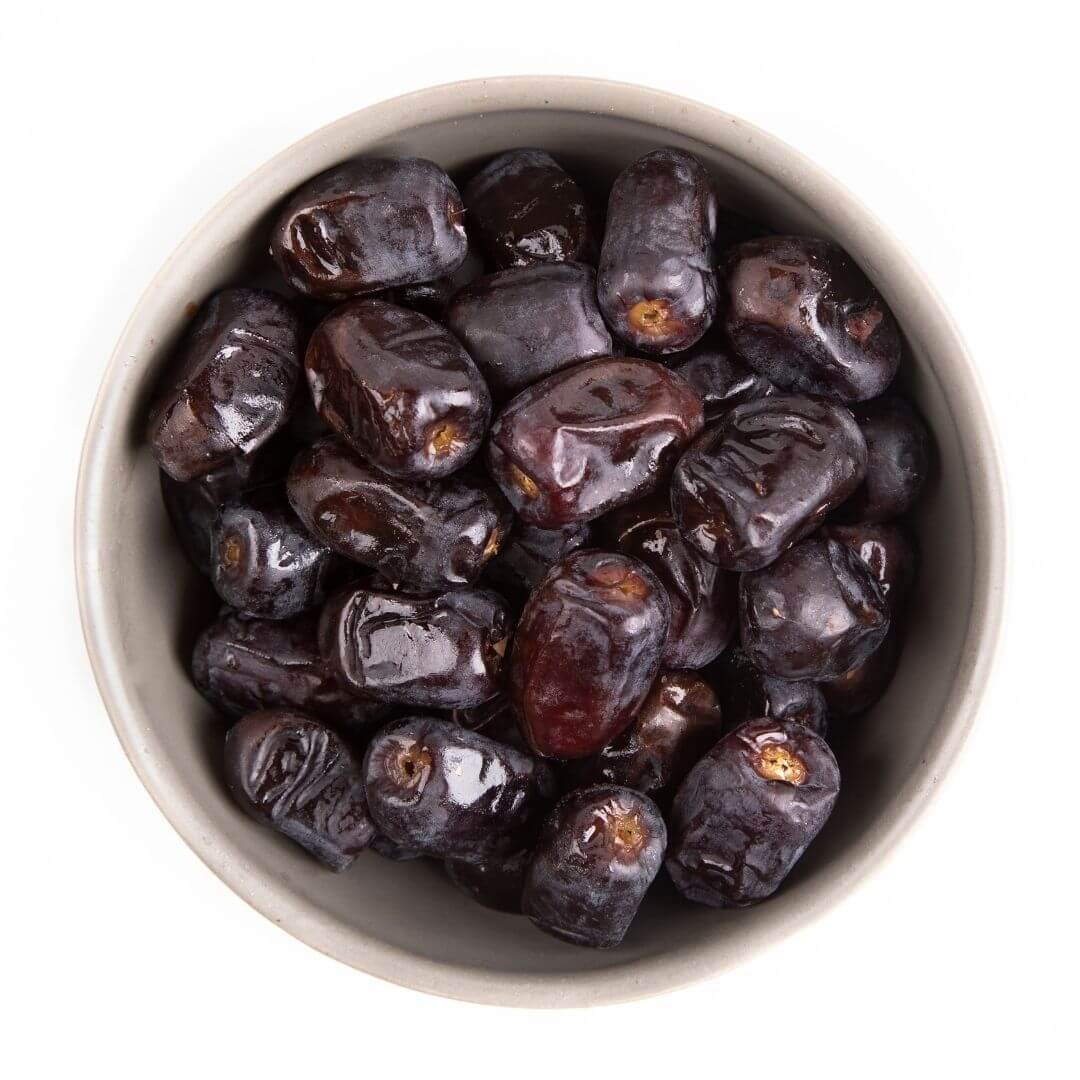
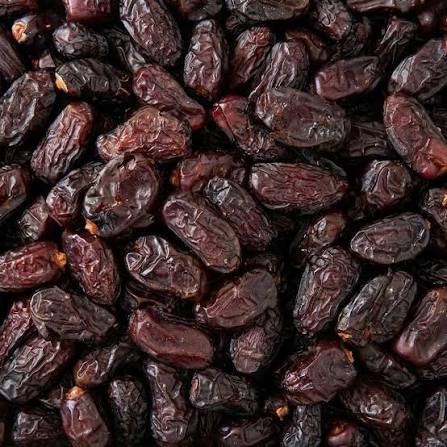
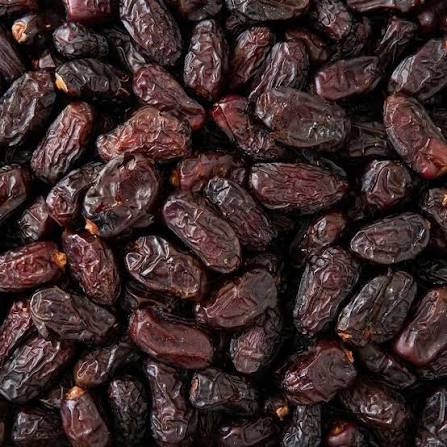
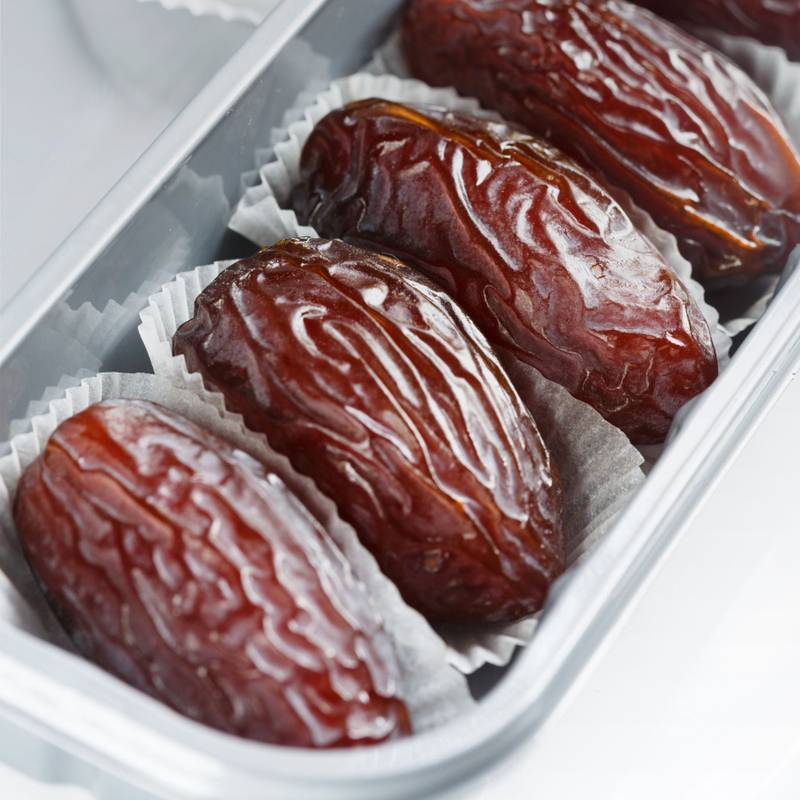
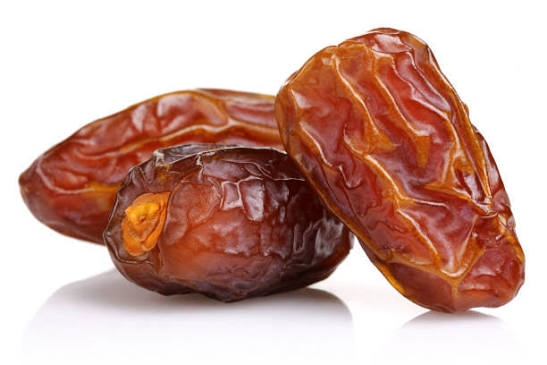
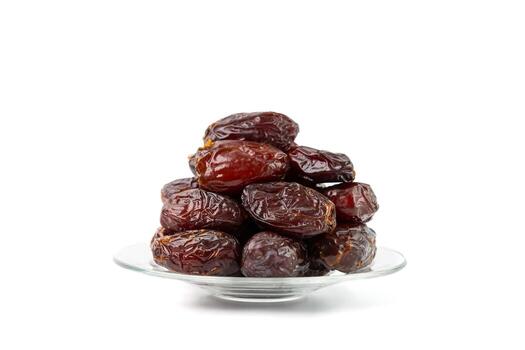
Tamar generally refers to a more advanced stage of date ripening. As the fruit matures, more moisture is lost and the texture often becomes firmer or drier than at the Rutab stage. The sweetness becomes more concentrated, and the characteristic qualities of the variety become more pronounced.
Not all date varieties reach this stage in exactly the same way. Some retain a relatively soft texture, while others become semi-dry or dry. The final texture depends on the variety, growing conditions and degree of maturity.
The Main Stages of Date Growth at a Glance
- Hababouk: Early formation of the fruit after pollination
- Kimri: Rapid growth, with the fruit generally remaining green
- Khalal: Color changes and further fruit development
- Rutab: Softening and increasing sweetness and moisture in many varieties
- Tamar: Advanced ripening, often accompanied by further moisture loss
What Factors Affect Date Growth and Quality?
The final quality of dates depends on more than the variety of the palm. Climate, orchard management, harvesting practices and post-harvest handling all play important roles.
- Temperature and climate: Temperature influences fruit development, ripening speed and final characteristics.
- Irrigation: Appropriate water management supports healthy palm growth and fruit development.
- Pollination: Effective pollination is important for fruit formation and crop yield.
- Date variety: Different varieties have distinct colors, sizes, sweetness levels and textures.
- Pests and diseases: Biological threats can damage palm health and reduce fruit quality.
- Harvesting and storage: Harvest timing and post-harvest handling influence quality preservation and shelf life.
When Are Dates Ready for Harvest?
The ideal harvest time depends on the date variety, growing region, climate and intended use. Some dates are harvested at the Khalal stage, while others remain on the palm until they reach Rutab or Tamar. Color, texture, moisture content and variety-specific characteristics should be considered together. Harvest seasons also vary by region and may extend from summer into autumn in many Northern Hemisphere production areas.
Conclusion: From Date Palm Flower to Ripe Fruit
Date fruit development is a multi-stage process that begins with pollination and continues through gradual changes in size, color, texture and moisture content. Understanding the Hababouk, Kimri, Khalal, Rutab and Tamar stages provides useful insight into date varieties, harvest timing and fruit quality. Because every variety has its own characteristics, ripening and harvesting practices should be adapted to the specific type of date.
This article is intended to provide educational information about date fruit growth and ripening.