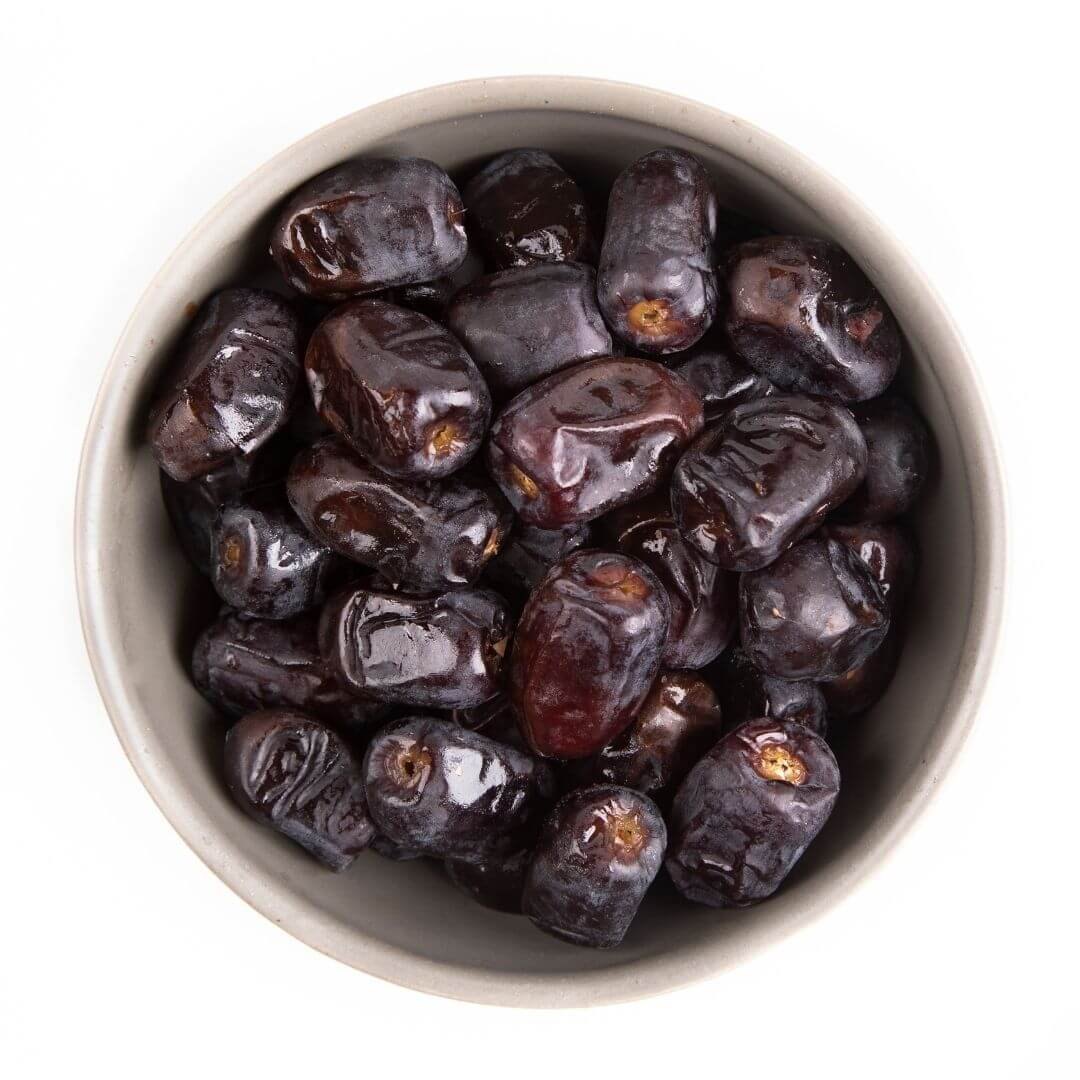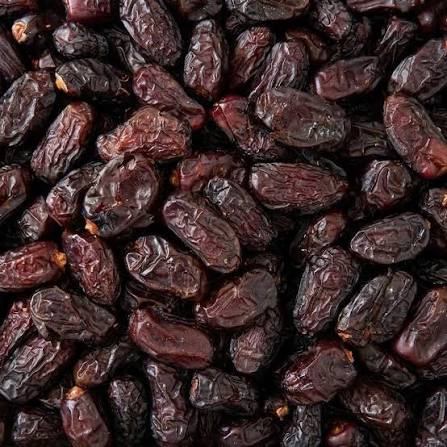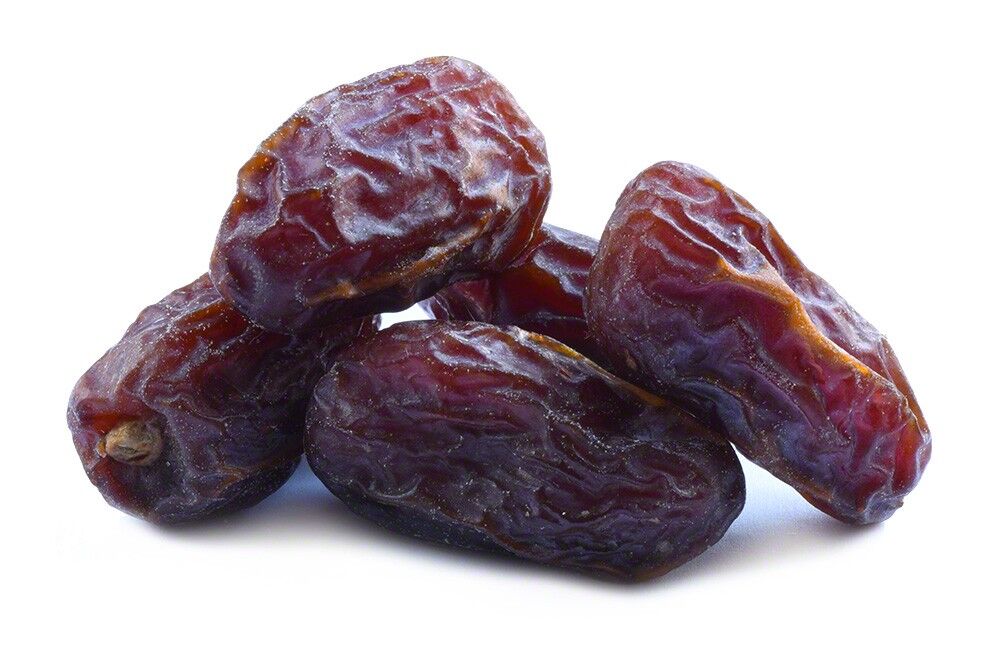



What Is Date Size Grading?
Date size grading is an important commercial specification used in the wholesale date industry. It helps buyers and sellers classify dates according to their approximate fruit size, weight and number of pieces per kilogram. Since dates naturally vary in size between varieties and grades, size specifications help buyers compare products more accurately when purchasing in bulk.
In wholesale transactions, date size is often discussed together with grade and quality. For example, a buyer may request a specific variety with a particular size range and a high level of uniformity. This allows the supplier to prepare a product that matches the buyer's intended market and packaging requirements.
Common Factors Used to Evaluate Date Size
- Average fruit weight
- Approximate number of dates per kilogram
- Fruit length and overall dimensions
- Uniformity of size within the same lot
- Variety-specific size characteristics
- Commercial grade and quality specifications
Why Is Date Size Important for Bulk Buyers?
Size can influence how dates are presented, packaged and positioned in the market. Large and uniform dates are often attractive for premium retail packaging, while other sizes may be preferred for specific wholesale, food-service or processing applications. Therefore, buyers should select the appropriate size based on their target market rather than simply choosing the largest available fruit.
How Is Date Size Classified?
There is no single universal size classification that applies identically to every date variety and every market. Commercial size specifications can vary depending on the variety, supplier, destination market and buyer requirements. For this reason, professional buyers should avoid relying only on labels such as small, medium or large and should request a clear numerical specification when possible.
Number of Dates per Kilogram
One practical way to describe commercial size is the approximate number of dates contained in one kilogram. Generally, larger fruits result in fewer pieces per kilogram, while smaller fruits result in a higher number of pieces. This measurement should always be considered alongside the specific variety and agreed product specifications.
Fruit Weight
Individual fruit weight is another useful indicator of size. When the average weight of each date is higher, fewer fruits are required to make one kilogram. Weight specifications can be particularly useful when buyers need consistent sizing for retail packaging.
Size Uniformity
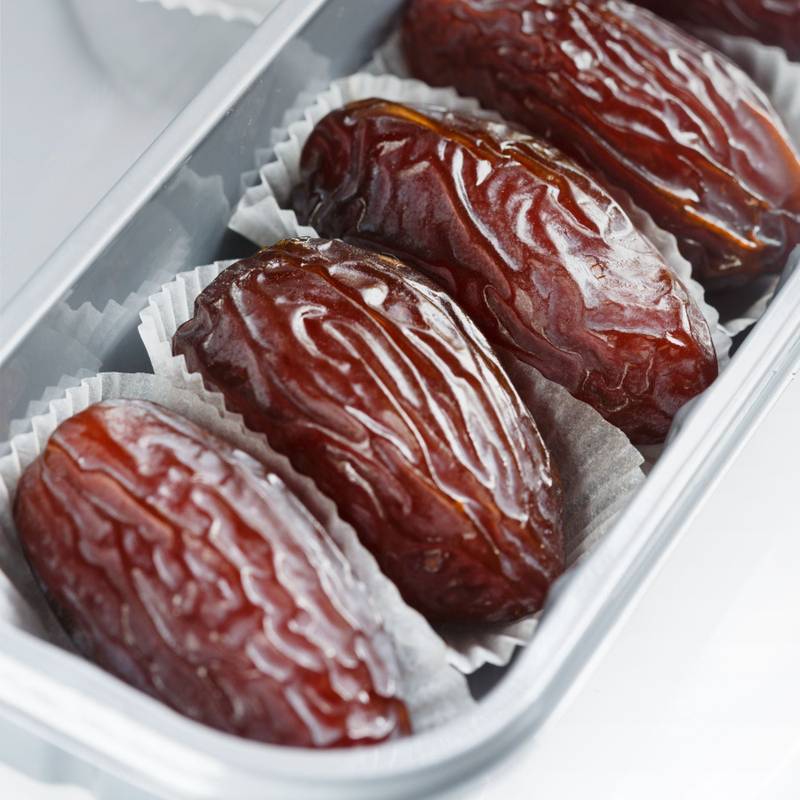
Uniformity is particularly important for professional retail and export packaging. A lot containing dates with relatively consistent size and appearance can create a more attractive final product and make automated or standardized packaging easier.
Important Point for Buyers
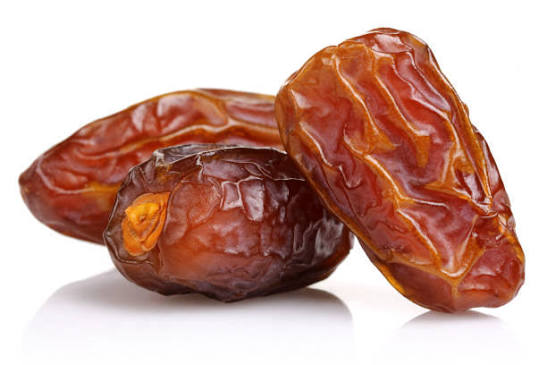
Date size should always be evaluated within the context of the variety. A large size for one variety may not be directly comparable with a large size for another variety because natural fruit dimensions differ between varieties.
How Does Date Size Affect Wholesale Prices?
Date size can have a direct influence on wholesale pricing, particularly when larger and more uniform fruits are in higher demand. However, size is not the only factor used to determine the final price. The variety, quality grade, moisture level, appearance, harvest conditions, packaging and market demand can all affect the commercial value of the product.
Main Factors Affecting Wholesale Date Prices
- ✔️ Size: Larger fruit may command a premium when market demand is strong.
- ✔️ Variety: Different Iranian date varieties have different commercial values.
- ✔️ Grade: Higher grades with better appearance and uniformity generally have greater market value.
- ✔️ Quality: Cleanliness, freshness, texture and overall condition influence the price.
- ✔️ Moisture level: Moisture characteristics can affect storage, handling and market suitability.
- ✔️ Demand: Strong demand for a specific size or variety can increase its wholesale value.
Are Larger Dates Always More Expensive?
Not necessarily. Larger dates can be more expensive when buyers and consumers specifically prefer that size, but the relationship between size and price is not automatic. A highly demanded medium-sized variety may have a stronger commercial value than a larger variety with lower market demand.
For this reason, professional wholesale buyers should compare complete product specifications instead of comparing prices based only on size. The most useful comparison considers variety, grade, average size, quality, packaging and final price together.
Size and Profitability
Choosing a larger size only makes commercial sense when the target market is willing to pay for it. For wholesalers and importers, the ideal size is therefore the one that provides a balance between purchase cost, customer demand, packaging requirements and expected selling price.
How to Specify Date Size When Buying in Bulk
When placing a wholesale order, buyers should provide clear specifications instead of simply requesting large or premium dates. A professional purchase specification should identify the variety, size requirement, grade, quality characteristics, packaging and acceptable tolerance.
Wholesale Date Size Checklist
- ✔️ Specify the exact date variety.
- ✔️ Define the required size or approximate count per kilogram.
- ✔️ Specify the required quality grade.
- ✔️ Confirm acceptable size variation within each lot.
- ✔️ Check fruit appearance, cleanliness and uniformity.
- ✔️ Confirm moisture and storage requirements.
- ✔️ Request a representative sample before a large purchase.
- ✔️ Compare suppliers using identical product specifications.
Final Guide for Wholesale Date Buyers
Date size is an important factor in wholesale purchasing, but it should never be considered separately from variety and overall quality. Larger and uniform dates may offer strong potential in premium markets, while other sizes can be more competitive for different retail, food-service and processing applications. The best buying decision is the one that matches the required specifications with the target market and expected selling price.
*This content is provided for product introduction and SEO optimization.