


What Is Date Moisture Content and Why Does It Matter?
Date moisture content refers to the amount of water naturally present in the edible portion of a date. It is an important characteristic when evaluating dates because it can influence texture, softness, weight, processing performance, storage behavior, and overall product stability.
Different date varieties naturally have different moisture characteristics. Soft dates generally contain more moisture than semi-dry and dry varieties, although the exact level can vary depending on the variety, maturity stage, production conditions, and storage environment.
Important for wholesale buyers:
Higher moisture does not automatically mean higher or lower quality. The appropriate moisture level depends on the date variety, intended application, target market, and expected storage and transportation conditions.
How Does Moisture Affect Dates?
Water in the date's natural structure contributes to its physical and sensory characteristics. Dates with a softer texture generally behave differently during handling, packaging, transportation, and storage compared with firmer semi-dry or dry dates.
Changes in moisture can also affect the texture and appearance of dates. Excessive moisture or unsuitable storage conditions may create quality-management challenges, while excessive moisture loss can make the fruit firmer and alter its eating characteristics.
Moisture Differences Between Soft, Semi-Dry, and Dry Dates
Dates can generally be described according to their texture and moisture characteristics as soft, semi-dry, or dry. These categories help buyers understand how a date may perform during handling and storage, although they should not be treated as a substitute for product-specific specifications.
Soft and Moist Dates
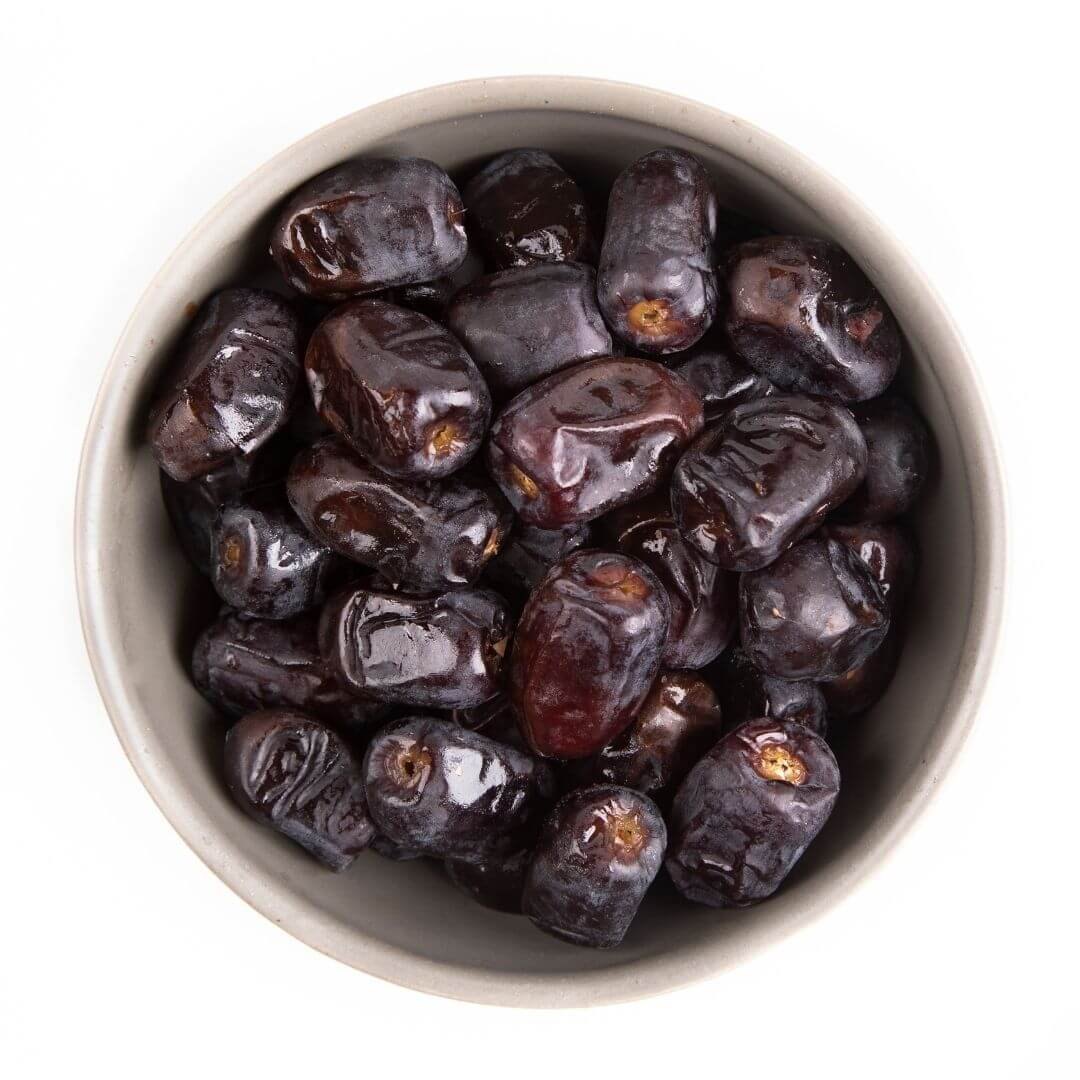
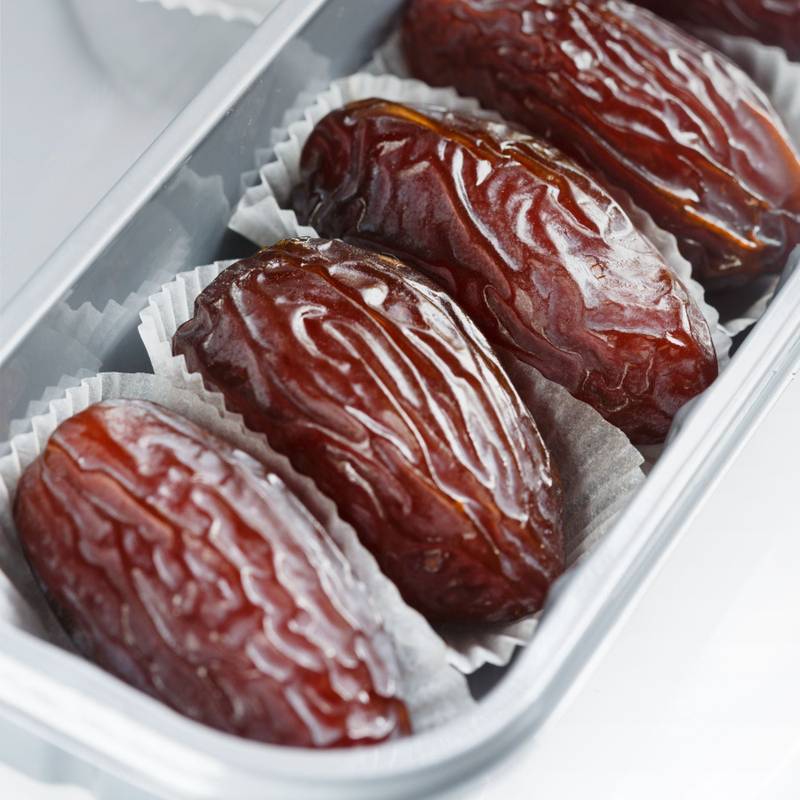
Soft dates have a tender and moist texture and are often preferred for direct consumption and certain food applications. Their higher moisture characteristics can make appropriate packaging, temperature management, and storage conditions particularly important during bulk distribution.
Semi-Dry Dates
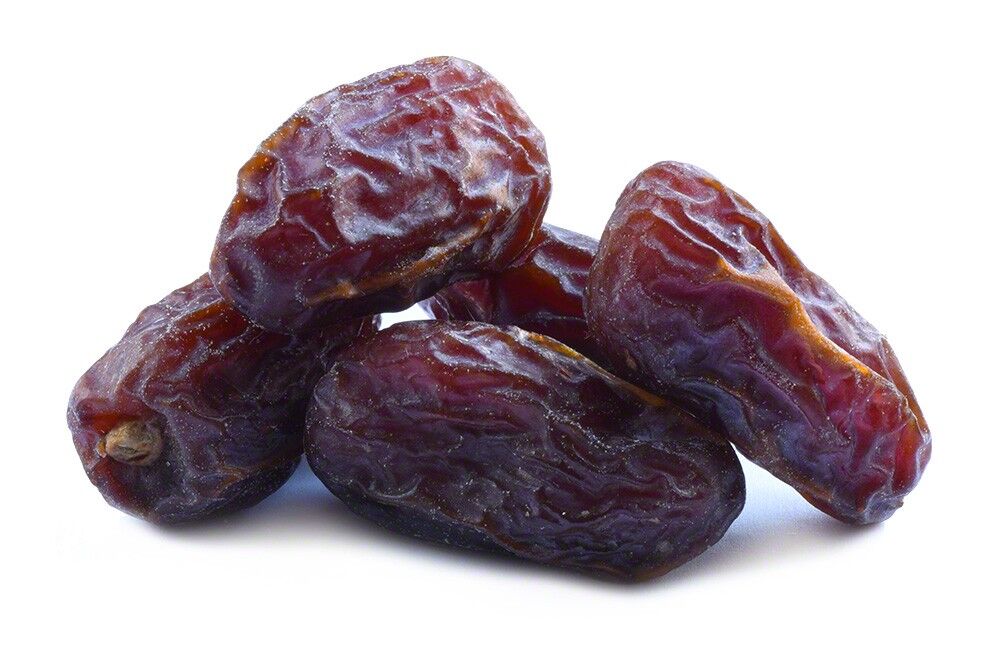
Semi-dry dates occupy a position between soft and dry dates in terms of texture. Their relatively firm structure can make them suitable for handling, bulk transportation, and various domestic and international markets.
Dry Dates
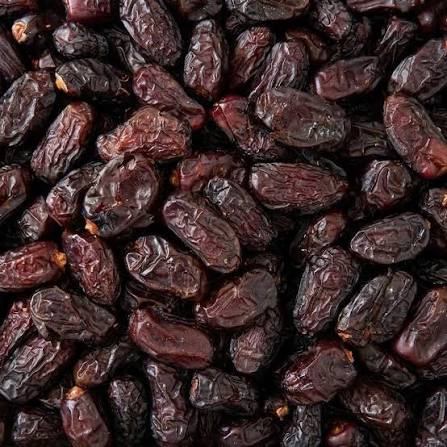
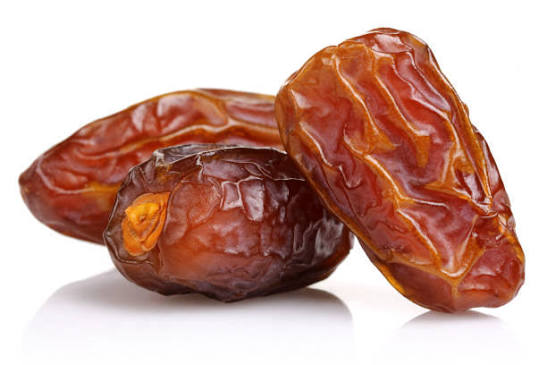
Dry dates generally have a firmer texture and lower moisture characteristics than soft varieties. Depending on the variety and grade, they can offer practical advantages for certain storage and transportation requirements.
Moisture should always be evaluated together with date variety, grade, texture, intended application, packaging, and storage conditions. Selecting dates based on moisture alone may lead to an unsuitable purchasing decision.
Why Is Moisture Important When Buying and Storing Wholesale Dates?
For bulk buyers, moisture is more than a laboratory specification. It can influence how dates behave throughout the supply chain, from initial purchasing and packaging to transportation, warehousing, and final processing.
1. Moisture and Shelf Stability
Moisture is one of several factors that can influence the stability and shelf life of dates. Temperature, water activity, packaging, hygiene, and storage conditions must also be considered when developing an appropriate storage system.
2. Moisture and Texture
Changes in moisture can affect the firmness and eating characteristics of dates. For wholesale buyers, maintaining the expected texture throughout storage is particularly important when the product is intended for retail distribution or food processing.
3. Moisture and Transportation
The moisture characteristics of a date variety can influence packaging and transportation requirements. This becomes especially important when dates are transported over long distances or exported to international markets.
4. Moisture and Food Processing
Dates used for industrial applications such as date paste, date syrup, bakery products, snack bars, and other processed foods may require specific raw-material characteristics. Moisture content can therefore be one of the specifications considered when sourcing dates for a processing line.
A practical sourcing tip:
Before placing a large wholesale order, define the intended use, expected storage period, destination, transportation method, packaging requirements, and product specifications. These factors help determine which date type and grade are most suitable.
How to Evaluate Moisture When Buying Dates in Bulk
When purchasing wholesale dates, moisture content should not be considered in isolation. Professional buyers should evaluate several product characteristics together to ensure that the selected dates match their market, processing requirements, and supply-chain conditions.
Key Specifications to Check Before Buying
- Date variety and origin
- Grade and size
- Texture and physical condition
- Moisture specification appropriate for the intended application
- Expected storage period
- Packaging type
- Transportation and destination conditions
- Final use of the dates
Proper Storage Conditions
After purchasing dates in bulk, proper storage is essential for maintaining product quality. Storage conditions should be selected according to the variety, moisture characteristics, packaging, and expected storage period. Temperature and environmental humidity should be appropriately managed, while packaging should protect the product from contamination and unsuitable environmental conditions.
Why Choose a Reliable Wholesale Date Supplier?
Consistent product specifications are particularly important for importers, distributors, retailers, and food manufacturers purchasing dates in large quantities. A reliable supplier should be able to provide clear information about the variety, grade, packaging, and relevant product specifications.
Conclusion
Date moisture content is an important factor in understanding the texture, stability, storage behavior, transportation requirements, and processing performance of dates. However, there is no single moisture level that can be considered ideal for every date variety or application.
For wholesale purchasing, moisture should be evaluated together with variety, grade, texture, intended use, packaging, storage, and transportation requirements. This approach allows buyers to select dates that are better suited to their target market or production process.
*This content is provided for product introduction and SEO optimization.