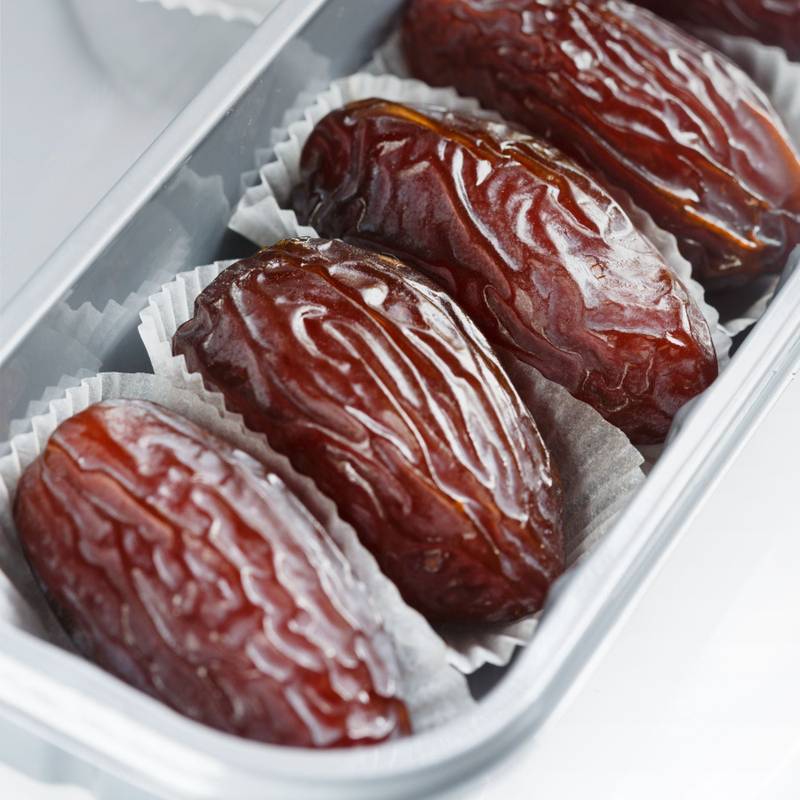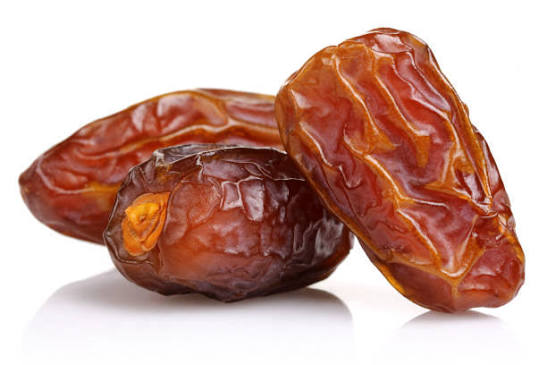



What Are Industrial Dates?
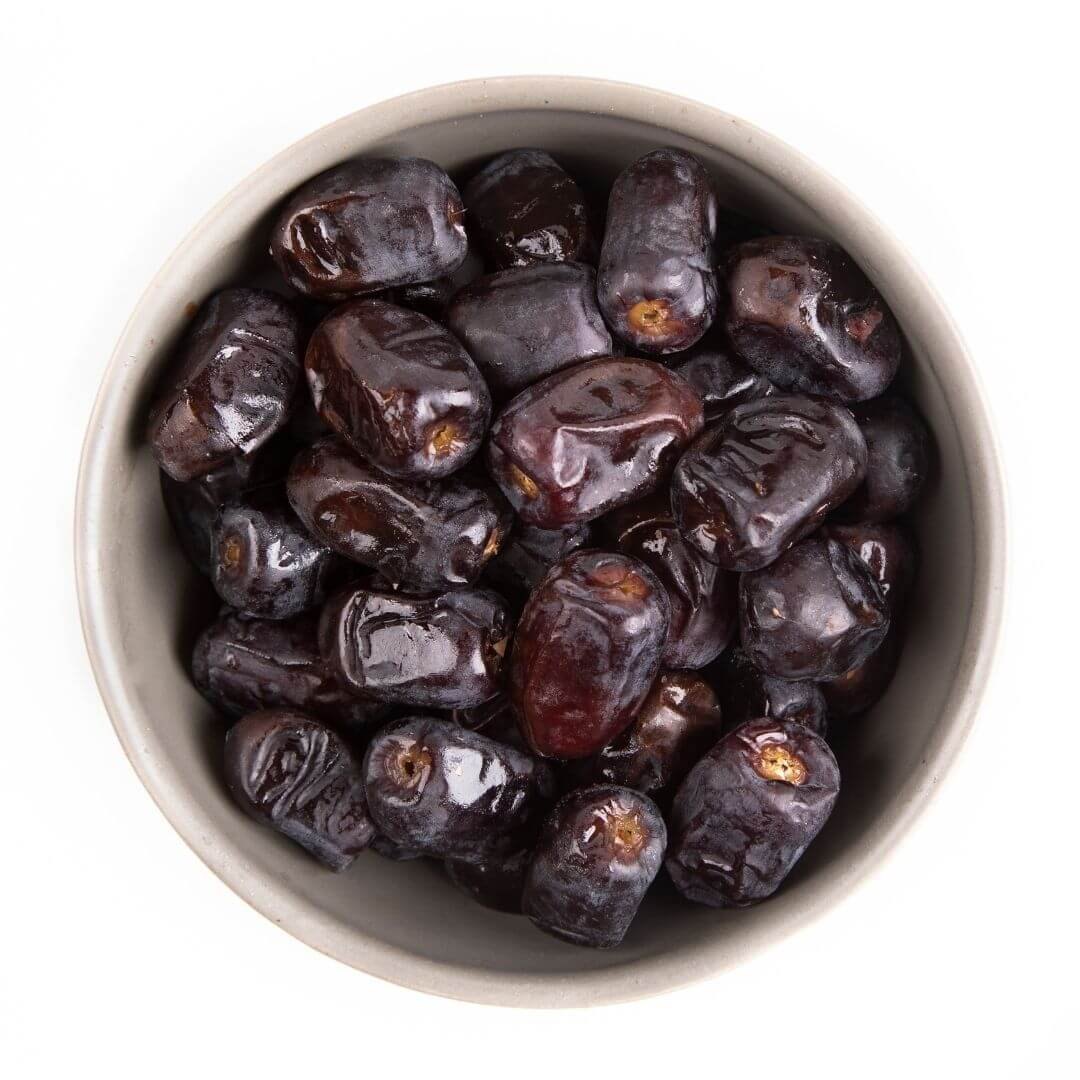
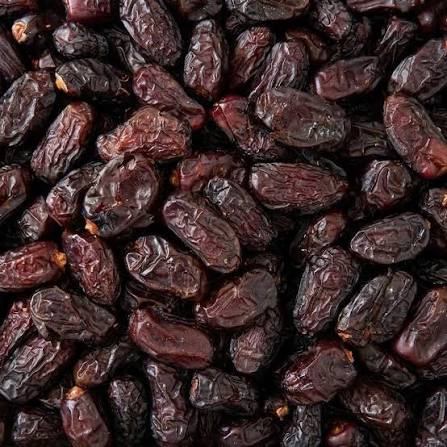
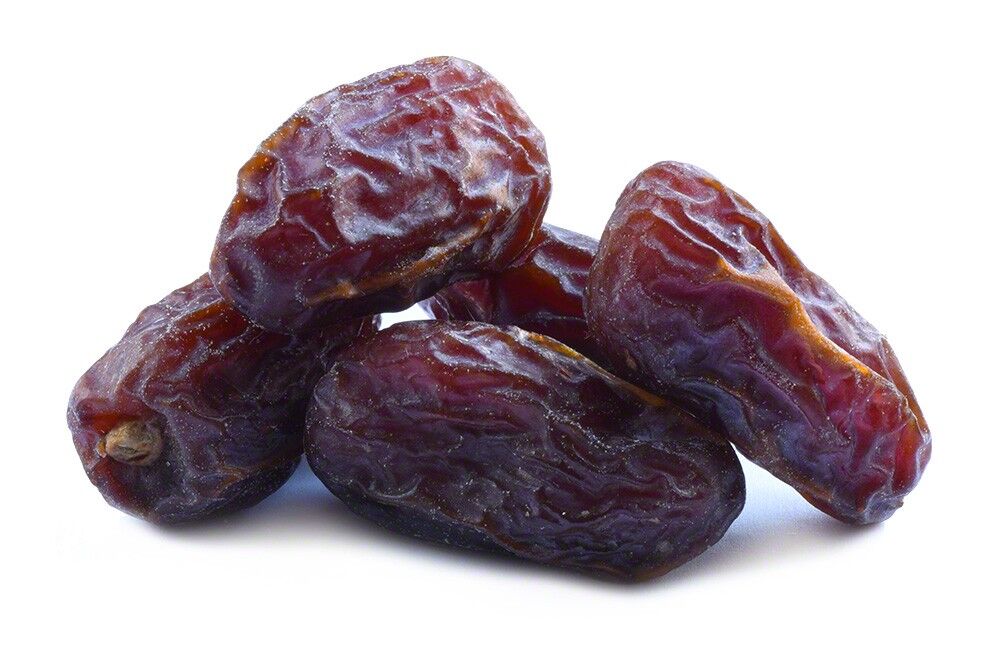
Industrial dates are dates supplied primarily as a raw material for food processing rather than being sold only as a finished retail product. They can be used in the production of date paste, date syrup, bakery products, snack bars, breakfast foods and a wide range of other processed food products.
Unlike premium retail dates, where appearance, uniform size and presentation may be major purchasing criteria, industrial buyers often focus on processing characteristics. Factors such as texture, moisture, flesh content, variety, grade and consistency can be particularly important depending on the intended application.
Important for food manufacturers:
The best industrial date is not necessarily the date with the most attractive retail appearance. The right raw material is the one whose specifications match the production process and the requirements of the final product.
Industrial Dates vs. Retail Dates
Retail dates are generally selected for direct consumption and presentation to the final consumer. Their appearance, color, size, texture and packaging can strongly influence purchasing decisions.
Industrial dates, on the other hand, are evaluated according to how efficiently they can be used in a processing operation. For example, a manufacturer producing date paste may place greater emphasis on flesh yield, texture and processing suitability than on the visual appearance of individual fruits.
This distinction allows food manufacturers to select raw materials based on their actual production requirements rather than applying retail standards to every application.
How Are Industrial Dates Used in Food Production?
Dates are versatile fruit ingredients that can be incorporated into many food manufacturing processes. Their natural sweetness, texture and ability to combine with other ingredients make them useful in a variety of applications.
1. Date Paste Production
Date paste is one of the most important processed date ingredients. It can be used as an ingredient in bakery products, confectionery, snack bars, energy products and other formulated foods.
For date paste production, manufacturers may consider factors such as flesh content, texture, moisture characteristics and the efficiency of the processing and pitting operation.
2. Date Syrup Production
Dates can also be processed into date syrup, which is used in a range of food applications. Depending on the product formulation, date syrup can serve as a sweetening ingredient in breakfast products, bakery items, beverages and other processed foods.
3. Bakery and Confectionery Products
Dates can be incorporated into cookies, cakes, pastries, confectionery products and other baked goods. They can provide natural sweetness, flavor and texture while also working as part of a broader ingredient formulation.
4. Snack Bars and Food Products
Date ingredients are widely suited to products such as snack bars, fruit-based snacks and formulated foods. Dates can be combined with nuts, grains, seeds and other ingredients to create different product formulations.
- Date paste
- Date syrup
- Bakery products
- Confectionery products
- Snack and energy bars
- Breakfast products
- Other processed food formulations
How to Choose the Right Industrial Dates
Choosing dates for industrial processing requires a different approach from selecting dates for retail shelves. Food manufacturers should first define the technical requirements of their production process and then select a suitable variety and grade.
Moisture and Texture
Moisture and texture can influence how dates behave during processing. The required characteristics depend on the final product and the equipment used by the manufacturer. For this reason, buyers should establish the desired specifications before placing a large order.
Flesh Content and Processing Yield
For applications such as date paste, the amount of usable fruit flesh is an important consideration. Buyers may evaluate the relationship between fruit size, flesh content, pit size and the expected processing yield.
Variety and Grade
Different Iranian date varieties have different physical and sensory characteristics. The most suitable variety depends on the intended application, processing method, target market and required product specifications.
Consistency of the Bulk Shipment
For industrial production, consistency between batches is particularly important. Significant differences in moisture, texture, size or quality can affect processing efficiency and the characteristics of the final product.
Before purchasing in bulk:
Define the final application, required date variety, grade, moisture characteristics, processing specifications, packaging format and expected supply volume. Clear specifications help both buyer and supplier select the right product.
Buying Industrial Dates in Bulk: What Should Businesses Consider?
For food manufacturers, importers and processing companies, purchasing industrial dates is primarily a supply-chain decision. The goal is to secure a consistent raw material that meets the technical requirements of production while remaining commercially viable.
Key Factors to Evaluate
- Date variety and origin
- Grade and product specifications
- Moisture and texture
- Flesh content and processing yield
- Consistency between batches
- Packaging and storage conditions
- Required order volume
- Transportation and delivery requirements
- Intended food-processing application
Why Supplier Reliability Matters
A reliable industrial date supplier should be able to provide clear product specifications and maintain consistency across bulk shipments. This is especially important for manufacturers whose production depends on a regular supply of raw materials.
For international buyers, additional factors such as export packaging, documentation, transportation, destination requirements and delivery schedules may also need to be considered before confirming an order.
Conclusion
Industrial dates are an important raw material for the food-processing industry. They can be used to produce date paste, date syrup, bakery products, confectionery, snack bars and many other food products.
The right industrial date should be selected according to the final application rather than appearance alone. Variety, grade, moisture, texture, flesh content, processing yield, consistency and storage conditions are among the factors that can help buyers identify a suitable bulk product.
For manufacturers and international buyers, working with a reliable wholesale supplier can make it easier to source dates according to specific processing and supply requirements.
*This content is provided for product introduction and SEO optimization.