


Iranian Date Harvest Calendar: When Does Each Date Variety Enter the Market?
Iran is one of the world's important date-producing countries, with a diverse range of commercial cultivars grown across its southern, southwestern and southeastern regions. Varieties such as Mazafati, Piarom, Zahedi, Rabbi, Sayer, Kabkab and Shahani are cultivated in different parts of the country and do not all reach maturity at the same time.
For international buyers, understanding the Iranian date harvest calendar can make wholesale procurement considerably easier. Knowing approximately when each variety is harvested helps importers, distributors and food businesses plan fresh-crop purchases, evaluate availability and prepare their supply chains in advance.
Iranian Date Harvest Calendar at a Glance
| Date Variety | Approximate Harvest Period | General Type |
|---|---|---|
| Barhi | Late July – August | Fresh / Khalal |
| Mazafati | August – September | Soft |
| Rabbi | Late August – September | Semi-Dry |
| Sayer / Estamaran | September – October | Semi-Dry |
| Zahedi | September – October | Dry / Semi-Dry |
| Kabkab | September – October | Soft / Semi-Dry |
| Shahani | September – October | Soft / Semi-Dry |
| Piarom | September – October | Semi-Dry |
| Kalooteh | Late August – September | Semi-Dry |
| Khasoui | September – October | Soft / Semi-Dry |
The Iranian date harvest season therefore does not occur within a single month. Early varieties may become available from late July or August, while several important semi-dry and dry varieties reach their main harvest period during September and October.
Why Does Harvest Timing Differ Between Iranian Date Varieties?
Iran has several major date-producing regions with different climatic conditions. Kerman, Hormozgan, Bushehr, Fars, Khuzestan and Sistan and Baluchestan all contribute to the country's commercial date production.
The combination of cultivar characteristics and regional climate means that the maturation period of one variety can differ significantly from another. Even the same variety can have slightly different harvest periods in different growing areas.
For this reason, professional buyers should consider the variety, origin and expected crop period together rather than relying on a single nationwide harvest date.
Harvest Season of Major Iranian Date Varieties
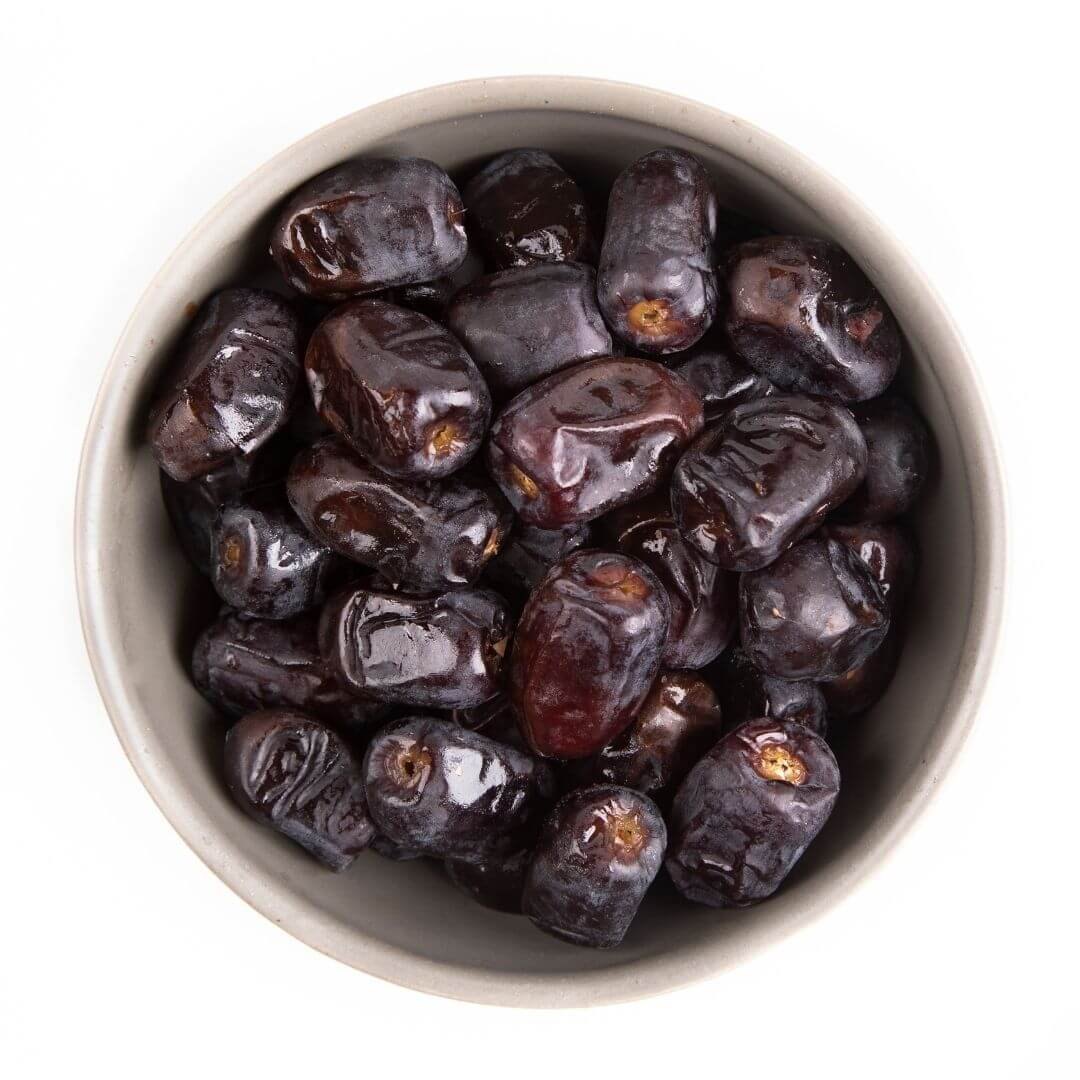
Mazafati Dates: August to September
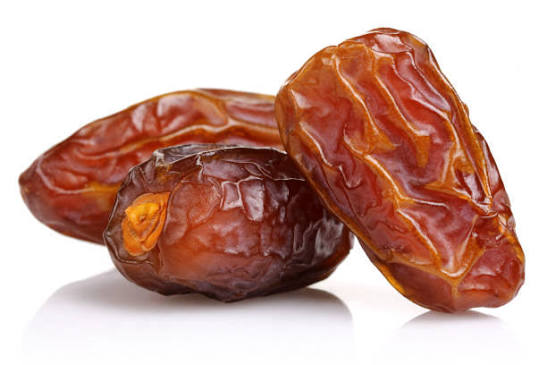
Mazafati is one of the best-known Iranian soft date varieties and is particularly associated with Kerman Province and the Bam area. Its main harvest period is generally between August and September.
Mazafati has a soft texture and relatively high moisture compared with dry and semi-dry varieties. Consequently, handling, temperature control and storage conditions are important considerations for wholesale buyers and exporters.
Buyers looking for fresh-crop Mazafati should normally begin communication with suppliers before the main harvest period so that grade, size, quantity and packaging requirements can be planned in advance.
Piarom Dates: September to October
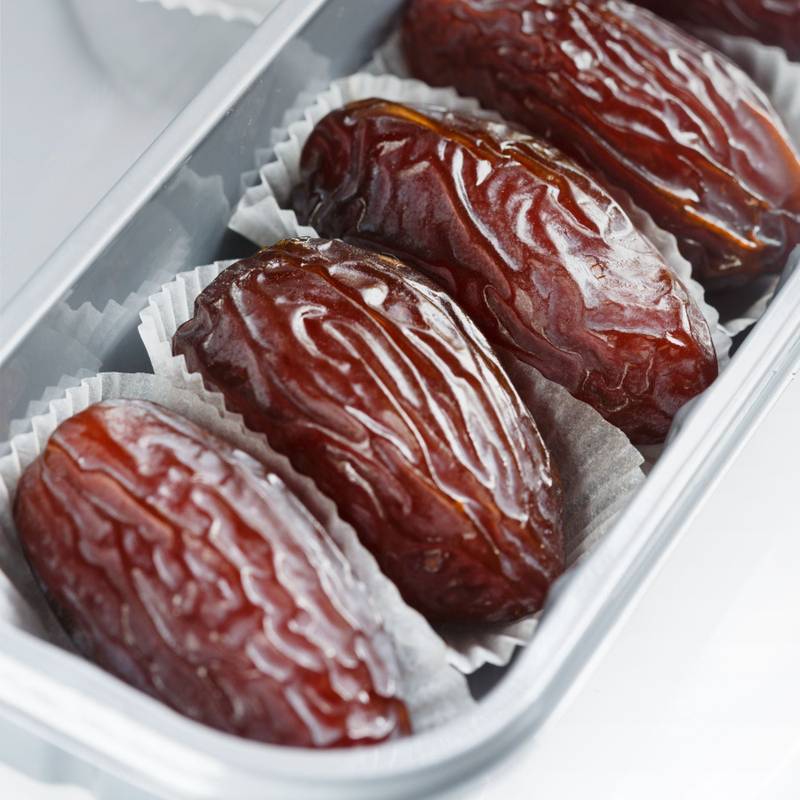
Piarom is a premium semi-dry Iranian date primarily associated with Hormozgan Province, particularly the Hajiabad region. It is generally harvested later than many soft date varieties, with September and October representing the main harvest window.
Piarom is highly relevant to premium wholesale and export markets because of its distinctive appearance, semi-dry texture and commercial positioning.
Zahedi Dates: September to October
Zahedi is a dry to semi-dry Iranian date with important production in southern Iran. Its harvest is generally associated with September and October.
Because Zahedi has a relatively firm texture and lower moisture than soft dates, it can provide useful flexibility for storage, transportation and international distribution.
Rabbi Dates: Late August to September
Rabbi is an important semi-dry Iranian date variety, particularly associated with Sistan and Baluchestan. Its harvest commonly begins in late August and continues into September.
Its semi-dry characteristics make Rabbi suitable for different wholesale applications, including international distribution and long-distance transportation when appropriate storage conditions are maintained.
Sayer / Estamaran Dates: September to October
Sayer, also known as Estamaran, is one of Iran's important commercial and export date varieties and is strongly associated with Khuzestan Province.
The main harvest period is generally around September, although the wider commercial harvest window may extend into October depending on the production area and crop conditions.
Kabkab Dates: September to October
Kabkab is a commercially important southern Iranian date, particularly associated with Bushehr Province. Harvest references can vary by production area, but September through October is a useful general planning window for wholesale buyers.
Kabkab is used both as a table date and in food-related applications, making it relevant to different segments of the wholesale market.
Shahani Dates: September to October
Shahani is an important Iranian cultivar associated with Fars and other southern production areas. Its harvest timing can vary between regions, with late summer and early autumn commonly reported.
For commercial purchasing, buyers should confirm the crop status, grade, moisture and expected availability directly with the supplier.
Kalooteh Dates: Late August to September
Kalooteh is another commercially available Iranian date variety. Its harvest is generally associated with late August and September, although the exact period depends on the production region and crop conditions.
Khasoui Dates: September to October
Khasoui is cultivated in southern Iranian date-growing regions and generally enters its harvest period around September and early autumn. Its exact availability can vary according to location and annual crop development.
Harvest Season vs. Market Availability
For international buyers, one of the most important points to understand is that harvest time and market availability are not necessarily the same thing.
When dates are harvested, they may still need to go through sorting, grading, quality control, cleaning, packaging and storage before they are ready for commercial distribution or export.
What Happens After Iranian Dates Are Harvested?
The post-harvest process depends on the variety and the requirements of the buyer. In a professional wholesale supply chain, dates may pass through several stages before shipment:
- Initial sorting
- Removal of damaged or unsuitable fruit
- Quality inspection
- Size and grade classification
- Moisture assessment
- Cleaning or processing when required
- Packaging according to buyer specifications
- Storage under suitable conditions
- Order preparation
- Export and transportation arrangements
Therefore, a variety may technically be harvested in September but become available for a specific international order somewhat later.
Fresh Crop and Stored Crop
Fresh-Crop Dates
Fresh-crop dates are products from the current agricultural season. Importers who want newly harvested Iranian dates often monitor the market before the expected harvest window and communicate with suppliers early.
Fresh-crop purchasing can be especially important when buyers require specific characteristics such as moisture, texture, color, size or grade.
Stored Dates
The end of the harvest season does not necessarily mean that a variety disappears from the market. Many semi-dry and dry Iranian dates can remain commercially available after harvesting when they are stored under appropriate conditions.
This gives international buyers greater flexibility when planning purchases outside the main harvest period. However, buyers should always confirm the crop year and storage history of the product being offered.
Why Can the Harvest Calendar Vary?
| Factor | How It Can Affect Harvest Timing |
|---|---|
| Production Region | Different climates and growing conditions can shift the maturation period. |
| Weather Conditions | Temperature and seasonal weather can accelerate or delay maturity. |
| Cultivar | Each variety has its own natural maturation cycle. |
| Harvest Stage | Khalal, Rutab and fully mature dates can have different harvesting and market windows. |
| Crop Year | Annual agricultural conditions can change the timing of the crop. |
For this reason, a harvest calendar should be treated as a planning reference rather than a fixed timetable.
How Wholesale Buyers Can Use the Iranian Date Harvest Calendar
For importers, distributors and wholesale buyers, the Iranian date harvest calendar is more than a seasonal reference. It can be used as a practical procurement tool for planning fresh-crop purchases, supplier communication, inventory and international shipments.
Buyers should ideally start discussions with suppliers before the expected harvest period. Early communication gives both sides more time to discuss specifications, samples, quantities, packaging and delivery schedules.
What Should Buyers Ask an Iranian Date Supplier?
- Which date variety is available?
- Where was the product grown?
- Is it from the current crop?
- When was it harvested?
- What is the moisture level?
- What size and grade are available?
- Has the product been stored after harvest?
- What storage conditions have been used?
- What quantity is currently available?
- What packaging options are available?
- How soon can the order be prepared for shipment?
A Practical Procurement Timeline
For Mazafati, buyers should generally begin monitoring fresh-crop availability before the August–September harvest period. Because of its soft texture and relatively high moisture, transportation and storage planning can be particularly important.
For Rabbi, Sayer, Zahedi, Kabkab and Shahani, procurement planning can generally focus on the late-summer and autumn harvest period.
For Piarom, which is generally harvested later in the season, September and October are particularly relevant months for fresh-crop procurement planning.
Does Harvest Season Affect Wholesale Date Prices?
The arrival of a new crop can influence supply and market conditions, but harvest timing is not the only factor determining wholesale prices.
Variety, grade, size, moisture, quality, available quantity, storage, packaging, transportation, domestic demand and export demand can all influence the final price of Iranian dates.
Therefore, buyers should not assume that one particular month will always offer the lowest price. Instead, they should compare the complete product specification and total purchasing cost.
Key Takeaway
Iranian date harvesting generally extends from late summer through autumn, but every variety follows a different seasonal pattern. Mazafati and some earlier varieties generally enter the harvest cycle earlier, while Piarom and several dry or semi-dry varieties are commonly harvested later. For international buyers, the best approach is to use the harvest calendar as a planning guide and confirm the actual crop status, specifications and availability directly with the supplier.
Conclusion
The Iranian date harvest calendar is an important reference for importers, distributors and wholesale buyers who want to source Iranian dates efficiently. Major commercial varieties such as Mazafati, Rabbi, Sayer, Zahedi, Kabkab, Shahani and Piarom enter the harvest cycle at different times, creating a staggered supply season from late summer through autumn.
Understanding these approximate harvest periods can help buyers plan fresh-crop purchases, communicate with suppliers at the right time and prepare their logistics in advance.
At the same time, harvest does not automatically mean immediate export availability. Sorting, grading, quality control, packaging, storage and shipment preparation can all affect when a particular product becomes ready for international delivery.
For this reason, professional buyers should combine the Iranian date harvest calendar with detailed supplier information regarding crop year, harvest date, variety, grade, moisture, quantity, packaging and delivery schedule.
*This content is provided for product introduction and SEO optimization.