


Why Does Date Skin Separate from the Flesh? A Technical Guide to Causes, Quality & Storage
Summary: Date skin separation is a visible condition that can occur in different varieties for several natural and technical reasons. Ripening stage, moisture changes, temperature fluctuations, handling, and storage conditions can all influence the relationship between the skin and flesh of a date.
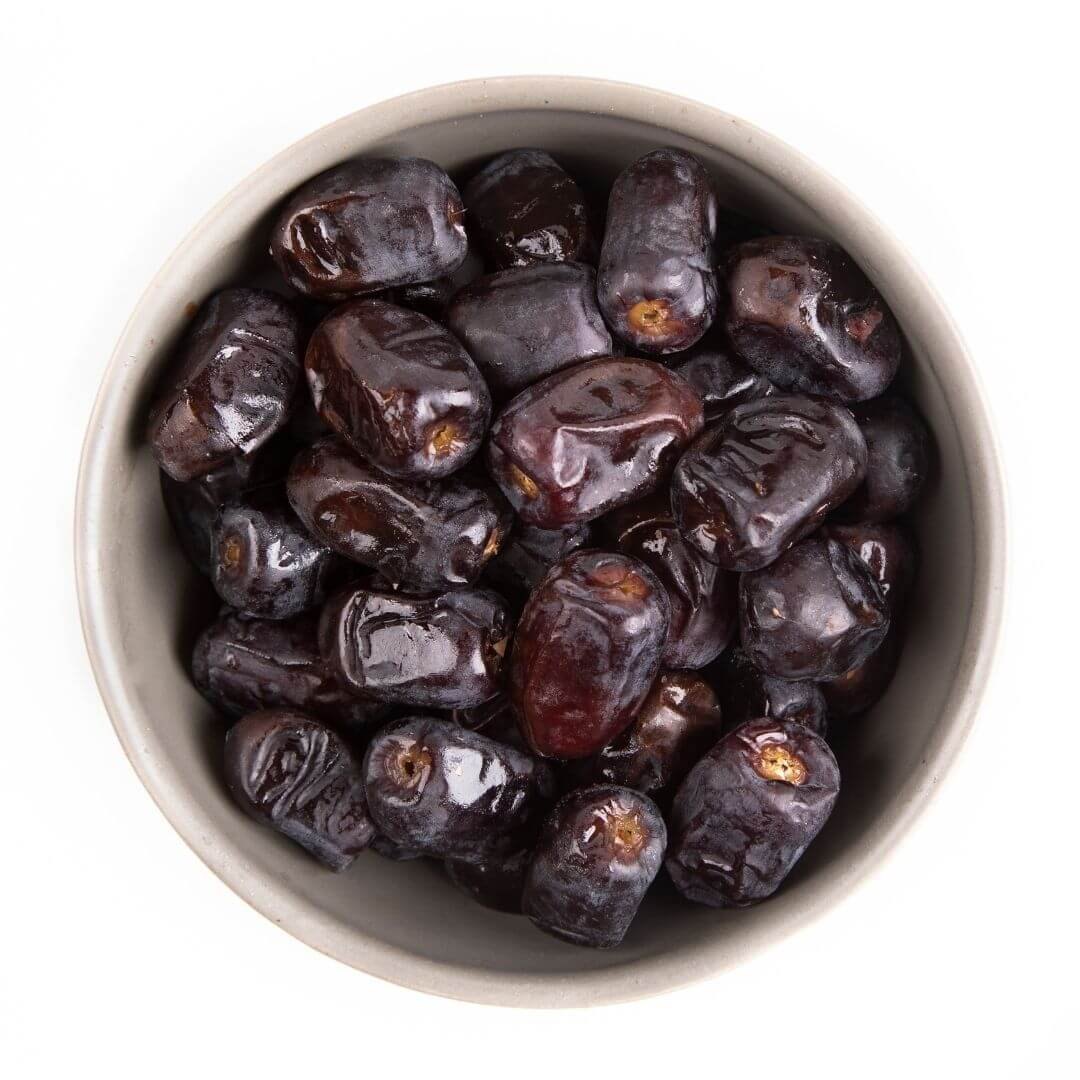
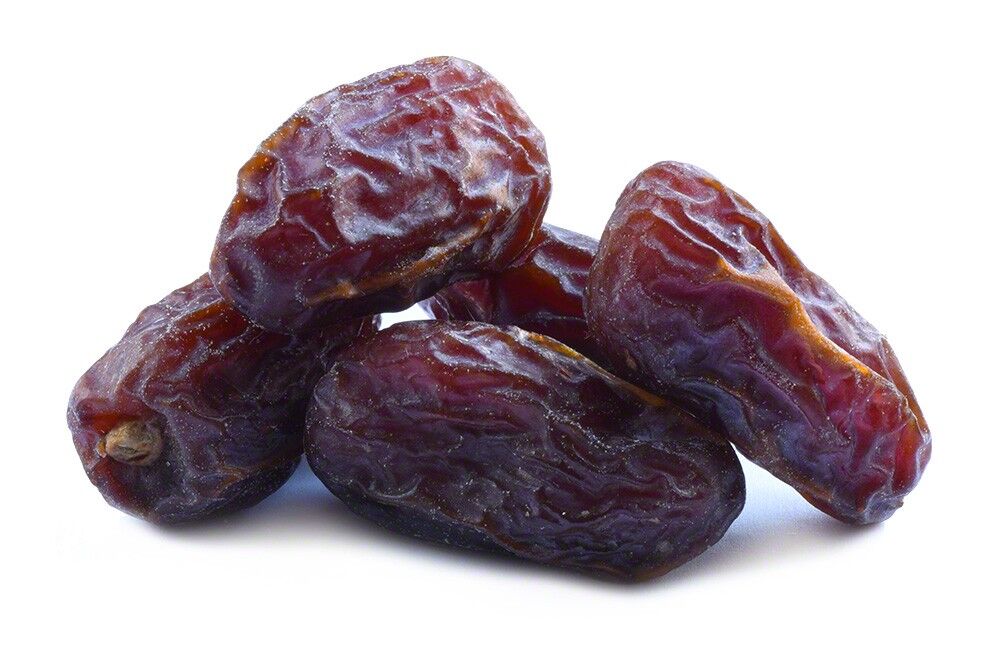
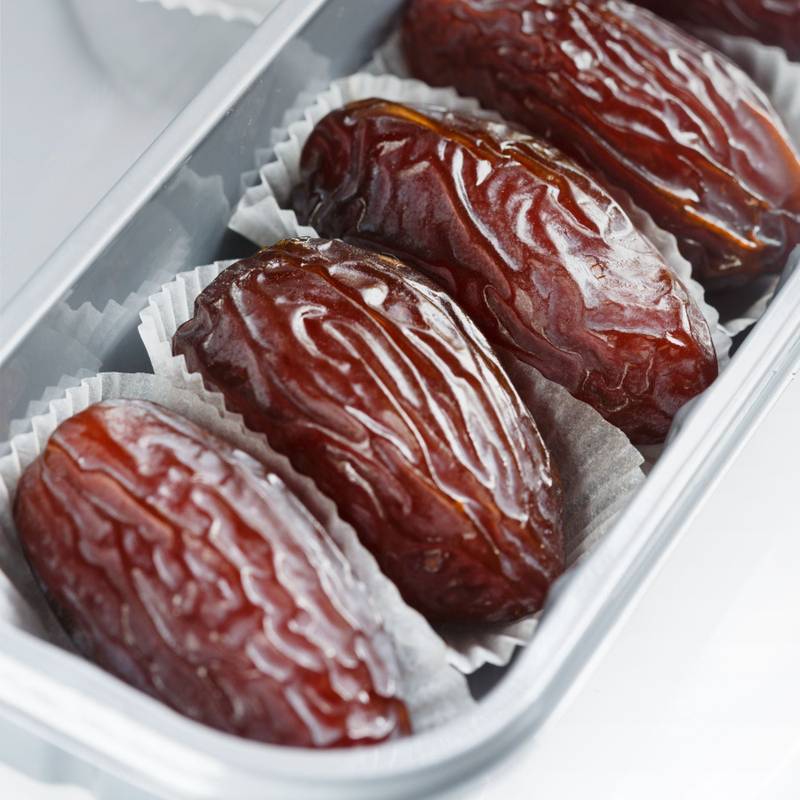
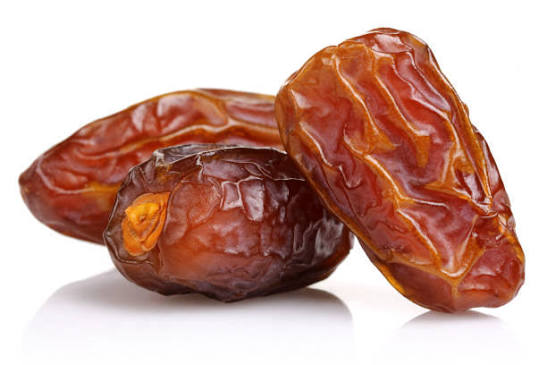
When the skin of a date begins to separate from its flesh, it can sometimes appear to be a sign of poor quality. However, skin separation does not always indicate spoilage or a defective product. In many cases, it is related to the natural structure of the fruit and changes that occur during ripening, drying, storage, and transportation.
For bulk buyers, wholesalers, importers, exporters, and date processors, understanding the reasons behind this appearance is important. A proper quality assessment should consider the entire product rather than relying on skin appearance alone.
What Causes Date Skin to Separate from the Flesh?
The skin and flesh of a date contain different structures and respond differently to changes in moisture, temperature, and maturity. As the fruit develops and its internal moisture distribution changes, the skin may gradually loosen from the flesh.
- Natural changes during the ripening process
- Changes in moisture content and moisture migration
- Temperature fluctuations during storage or transportation
- Differences between date varieties and their natural skin structure
- Mechanical pressure or improper handling
Important Quality Note
Slight skin separation should not automatically be classified as a quality defect. The condition should be evaluated together with texture, aroma, moisture, cleanliness, maturity, and the presence or absence of mold, fermentation, or other deterioration.
1. Natural Ripening and Maturity
One of the most important factors is the natural ripening process. As dates mature, their flesh gradually changes in texture and moisture distribution. Depending on the variety, these changes may cause the skin to become less tightly attached to the flesh.
Some naturally soft or semi-dry date varieties may show more visible skin separation than others. Therefore, the normal appearance of one variety should not necessarily be used as the quality standard for another variety.
2. Moisture Changes and Water Migration
Moisture plays a major role in the texture and appearance of dates. When moisture moves within the fruit or changes during storage, the flesh may shrink, soften, or change its structure while the skin responds differently. This difference can make the skin appear loose or partially separated.
- Moisture loss can reduce the volume of the flesh beneath the skin
- Moisture redistribution can alter the firmness of the fruit
- High moisture conditions may soften the flesh
- Repeated moisture changes can affect the overall appearance
3. Temperature and Storage Conditions
Temperature fluctuations can influence the physical properties of dates. Moving dates repeatedly between different temperature environments may affect moisture distribution, condensation, and texture. Over time, these changes can contribute to visible skin separation.
Why Storage Matters for Bulk Dates
Proper storage helps maintain the natural texture, moisture balance, appearance, and overall quality of dates. For bulk products, stable storage conditions are particularly important because large quantities may remain in storage or transportation for extended periods.
4. Variety-Specific Characteristics
Date varieties differ significantly in skin thickness, flesh texture, moisture content, ripening behavior, and natural appearance. As a result, some varieties may naturally display more visible skin separation than others without indicating that the fruit is spoiled or unsuitable for trade.
When Is Skin Separation a Quality Concern?
Skin separation should be evaluated in context. A small amount of separation may simply reflect the natural characteristics of the variety or changes during ripening. However, buyers should pay closer attention when separation is accompanied by other signs of deterioration.
- Unusual or fermented odor
- Visible mold or abnormal discoloration
- Excessive softness or structural breakdown
- Unusual moisture or leakage inside the packaging
- Significant variation in quality within the same batch
How Bulk Buyers Should Inspect Dates
Professional bulk purchasing requires more than a visual inspection of the skin. Buyers should evaluate representative samples from the batch and consider several quality parameters before confirming a large order.
Bulk Date Quality Checklist
- ✔️ Check the overall appearance and uniformity
- ✔️ Evaluate texture and firmness according to the variety
- ✔️ Assess moisture and signs of excessive moisture loss
- ✔️ Check aroma and cleanliness
- ✔️ Inspect packaging and storage conditions
- ✔️ Examine a representative sample rather than a single fruit
Why Proper Handling Is Important During Transportation
Dates may experience mechanical pressure, temperature changes, and changes in environmental conditions during transportation. Proper packaging and handling can help reduce unnecessary physical damage and preserve the visual and commercial quality of the product.
For international shipments, consistent product specifications, suitable packaging, appropriate storage, and careful quality inspection are especially important because the product may travel long distances before reaching the final buyer.
How to Distinguish Natural Skin Separation from Product Deterioration
The key is to look at several characteristics together. Natural skin separation generally occurs without an unpleasant odor, visible mold, abnormal fermentation, or severe deterioration of the flesh. In contrast, separation accompanied by unusual smell, excessive moisture, mold, or structural breakdown may require further quality investigation.
Conclusion: Is Date Skin Separation Normal?
Date skin separation can have several causes, including natural ripening, moisture changes, temperature fluctuations, variety-specific characteristics, and handling conditions. It should not automatically be considered a defect. For bulk buyers and importers, the most reliable approach is to evaluate skin separation together with texture, aroma, moisture, cleanliness, maturity, packaging, and the overall condition of the batch. Understanding these factors helps buyers make better purchasing decisions and select dates that match the requirements of their target market.
*This content is provided for product education, bulk purchasing guidance, and SEO purposes.