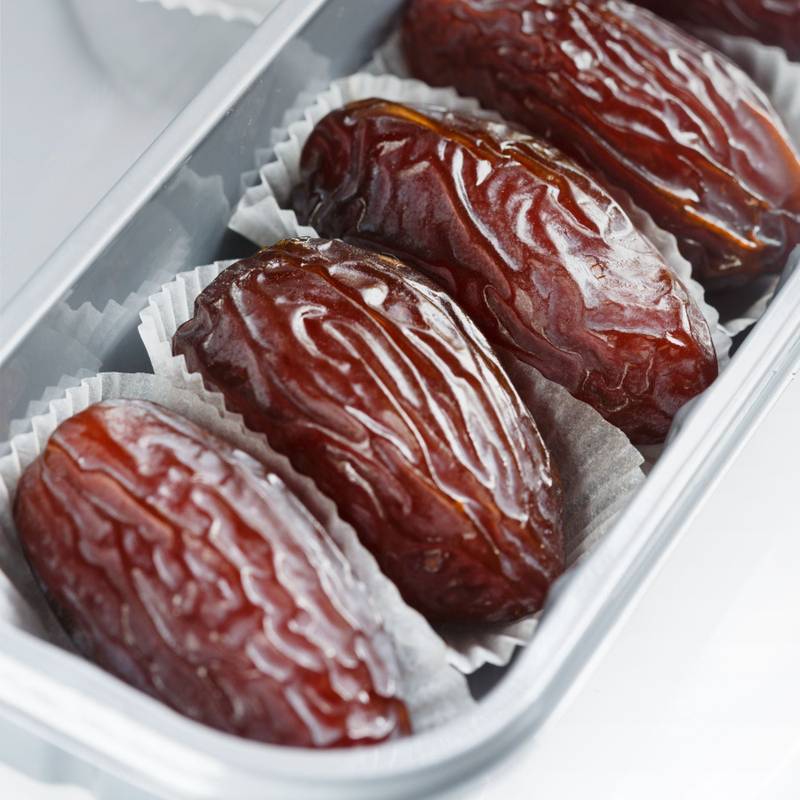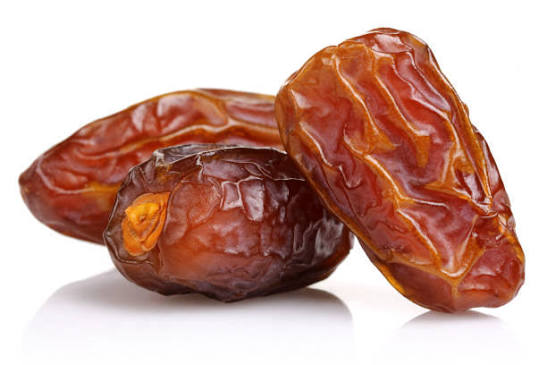



Why Do Dates Change Color as They Ripen? From Yellow to Brown and Dark
Summary: Date color naturally changes during ripening as pigments, moisture, sugars, and other compounds in the fruit undergo gradual transformations. Depending on the variety, dates may develop from green or yellow shades into amber, brown, reddish-brown, or very dark colors.
One of the most noticeable changes in a date during maturation is its color. A date that initially appears green or yellow may gradually develop golden, amber, brown, reddish-brown, or dark tones as it moves through different stages of ripening.
This color transformation is a natural part of date development. However, the exact pattern is different from one variety to another. For this reason, color should always be evaluated in relation to the specific date variety, its normal maturity stage, and its intended use.
The Main Stages of Date Ripening
Dates generally pass through several recognizable stages of development. Although terminology and appearance can vary between cultivars, the fruit typically progresses from an early green stage toward yellow, amber, brown, or dark mature colors.
- Early development: the fruit is commonly green and firm
- Intermediate stage: yellow, amber, or reddish tones may appear
- Further ripening: brown or deeper colors gradually develop
- Mature stage: the final color depends strongly on the variety
Important Note for Bulk Buyers
There is no single color that defines a high-quality mature date. The expected mature color depends on the cultivar. Buyers should compare the product with the normal characteristics of that specific variety rather than judging quality by color alone.
Why Does a Yellow Date Become Brown?
As dates continue to ripen, their internal chemistry changes. Natural pigments are transformed, moisture content changes, and sugars become more prominent. These processes can gradually alter the way light is absorbed and reflected by the fruit surface, resulting in visible changes in color.
1. Changes in Natural Pigments
During fruit development, the concentration and composition of natural pigments change. Early-stage dates may contain pigments that contribute to green, yellow, or lighter colors. As ripening progresses, these pigments change and darker brown or amber tones may become more prominent.
The exact color transition depends on the genetic characteristics of the cultivar. This is why two varieties grown under similar conditions can have completely different mature colors.
2. Moisture Loss During Ripening
Moisture is another important factor in the visual appearance of dates. As some varieties move from a higher-moisture stage toward a softer or semi-dry condition, water is gradually lost from the fruit. This changes the concentration of sugars and other components and can make the color appear deeper.
- Reduced moisture can make the color appear more concentrated
- The texture becomes softer or more concentrated depending on the variety
- Natural sugars become more noticeable as the fruit matures
3. Sugar Development and Browning Reactions
Ripening changes the balance of sugars and other compounds within the fruit. During later stages of maturation and processing, natural browning reactions can also contribute to darker tones. These reactions are part of the complex chemistry responsible for the characteristic appearance and flavor of many mature dates.
Color Is Connected to More Than Appearance
Changes in color often occur alongside changes in moisture, texture, sweetness, and maturity. For this reason, professional date evaluation considers multiple quality characteristics instead of using color as the only indicator.
Why Do Different Date Varieties Have Different Colors?
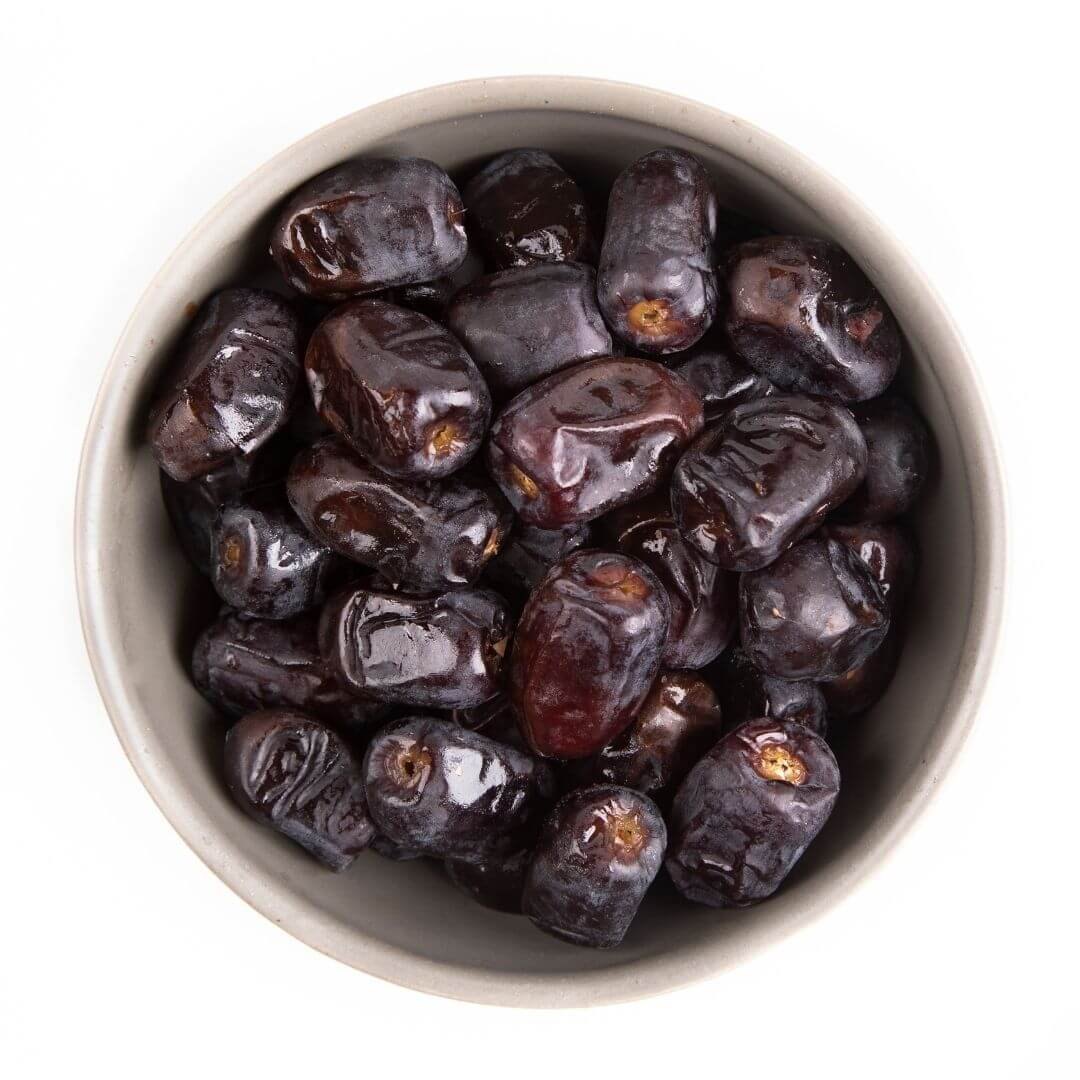
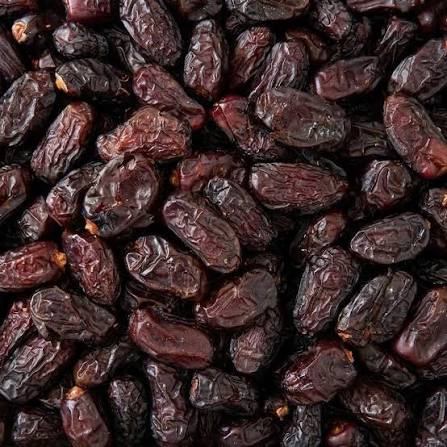
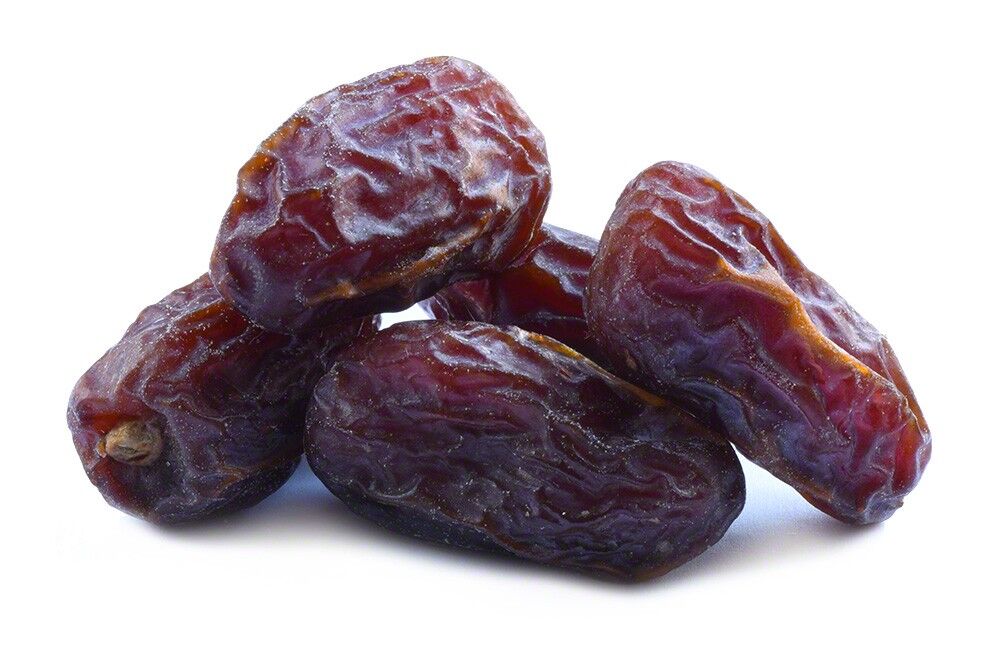
Variety is one of the most important factors determining the final color of a date. Some cultivars naturally develop golden or amber tones, while others become light brown, reddish-brown, dark brown, or nearly black when fully mature.
Environmental conditions such as temperature, sunlight, water availability, and cultivation practices can also influence fruit development. Nevertheless, the genetic characteristics of the cultivar remain a major factor in determining its typical appearance.
Does Darker Always Mean Better Quality?
No. A darker color does not automatically indicate superior quality. The appropriate color depends on the variety and the maturity stage at which the fruit is normally marketed.
For example, a naturally golden-colored variety should not be judged against the color standard of a dark brown variety. Similarly, an unusually dark fruit may require closer inspection if the darkening is associated with abnormal odor, mold, excessive fermentation, or other signs of deterioration.
How Storage Can Affect Date Color
Color development does not necessarily stop when dates leave the palm. During storage, exposure to temperature, oxygen, moisture, and time can influence the appearance of the fruit. Poorly controlled conditions may accelerate unwanted changes in color and quality.
Factors That May Influence Color During Storage
- ✔️ Storage temperature
- ✔️ Moisture conditions
- ✔️ Exposure to oxygen and environmental conditions
- ✔️ Length of storage
- ✔️ Packaging and handling conditions
What Should Bulk Buyers Look for?
When purchasing dates in bulk, buyers should first understand the normal color profile of the selected cultivar. The color should then be assessed alongside texture, moisture, size, cleanliness, aroma, maturity, and uniformity across the batch.
A Practical Guide to Understanding Date Color
- Green or yellow does not always mean immature; the variety and maturity stage must be considered.
- Brown and dark shades can be a natural result of ripening in many varieties.
- The final mature color is largely variety-specific.
- Color should not be used as the only quality-control parameter.
- Unexpected darkening accompanied by abnormal odor or deterioration should be investigated.
Conclusion: From Yellow to Brown and Dark
The change in date color from yellow or amber to brown and darker shades is a natural part of ripening for many varieties. It results from a combination of pigment changes, moisture loss, sugar development, and natural browning reactions. However, every date variety has its own characteristic color profile. For bulk buyers, importers, wholesalers, and exporters, the best approach is to evaluate color together with texture, moisture, aroma, maturity, cleanliness, and overall batch uniformity. Understanding these natural color changes makes it easier to distinguish normal ripening from potential quality problems and to select dates that meet the requirements of different markets.
*This content is provided for product education, bulk purchasing guidance, and SEO optimization.