

How Should Dates Be Stored? The Impact of Temperature on Date Texture, Color, and Shelf Life
Dates are naturally stable fruits, but their quality can still change when they are exposed to unsuitable storage conditions. Temperature is one of the most important environmental factors because it can affect the rate of moisture movement, texture changes, color development, and other quality-related processes.
For wholesale buyers, importers, exporters, food manufacturers, and distributors, proper storage is especially important. Dates may spend considerable time in warehouses, transportation systems, distribution centers, or retail supply chains before reaching their final destination. Maintaining appropriate conditions can therefore help preserve the characteristics expected from the original product.
Why Is Temperature Important for Date Storage?
Temperature affects biological, chemical, and physical processes within food products. In dates, these processes can influence the way the fruit retains moisture and how its texture and appearance develop during storage.
Higher temperatures can accelerate quality changes, especially when dates are stored for long periods. On the other hand, controlled cool storage can slow many of these changes and help maintain product stability.
However, there is no single storage temperature that is automatically suitable for every type of date. Variety, moisture content, maturity level, packaging, processing method, storage duration, and intended application should all be considered when selecting storage conditions.
Important: Storage recommendations should be based on the characteristics of the specific date product rather than applying one temperature to every variety.
How Temperature Affects Date Texture
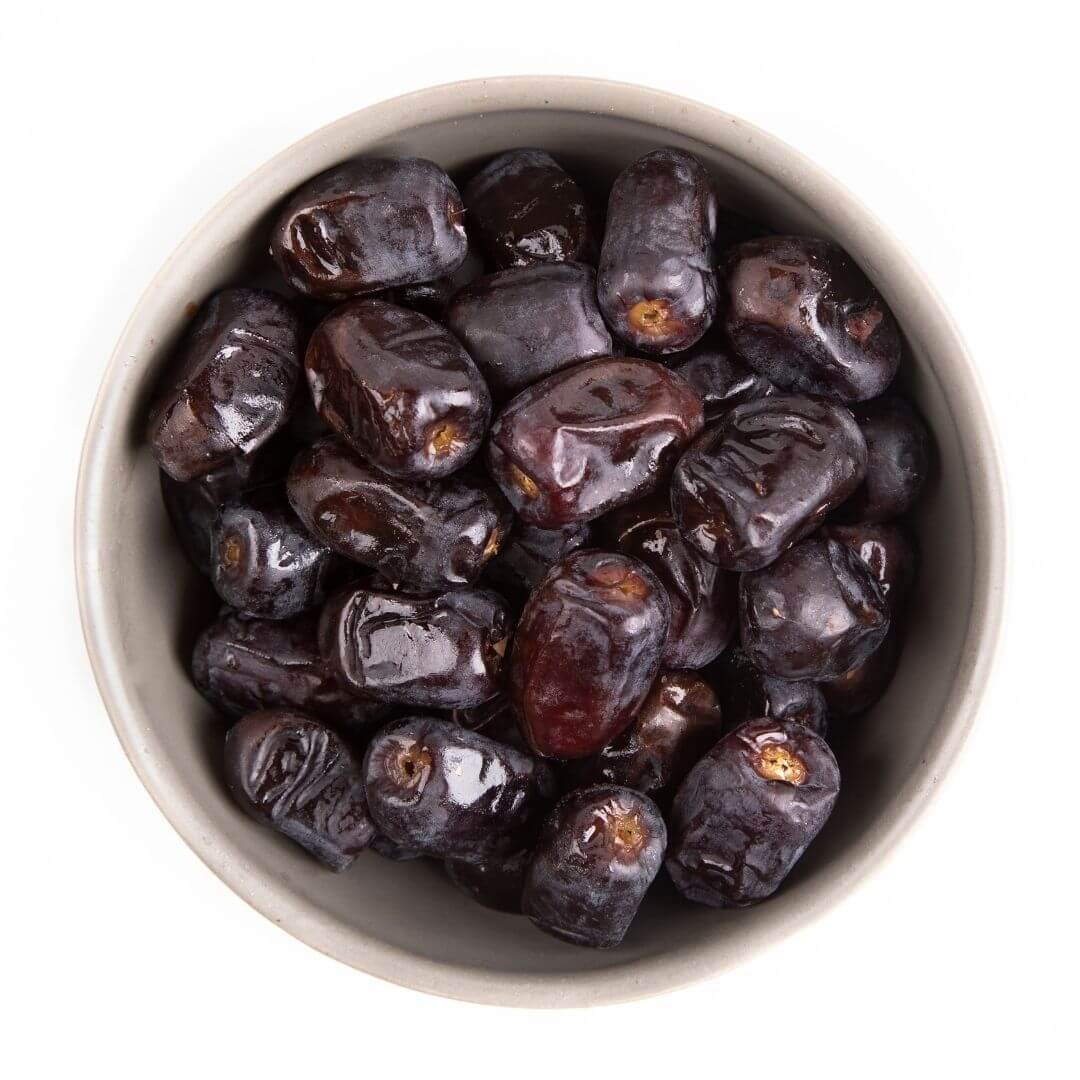
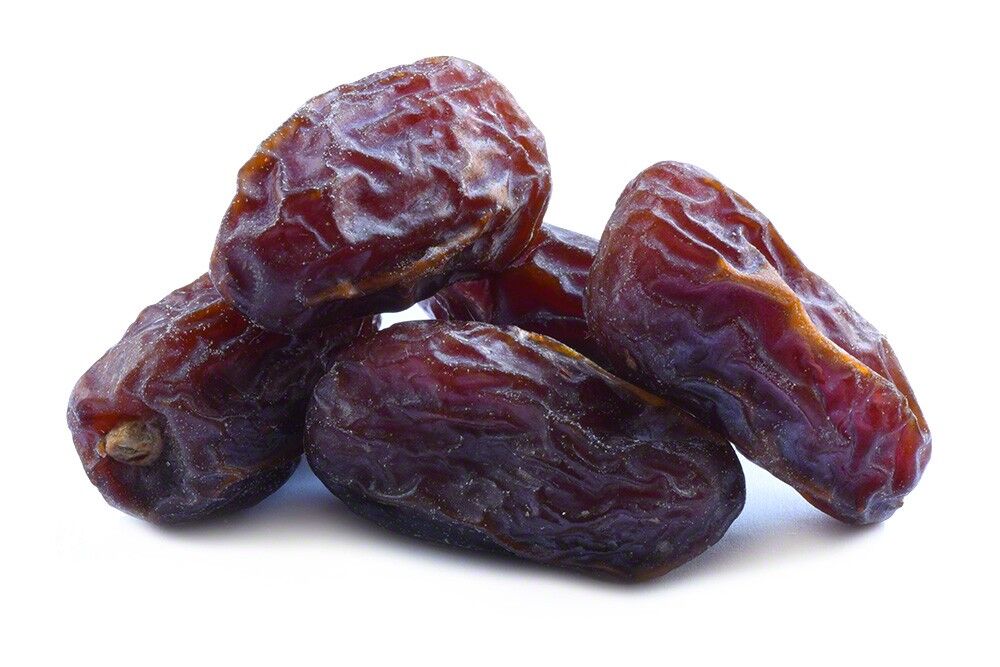
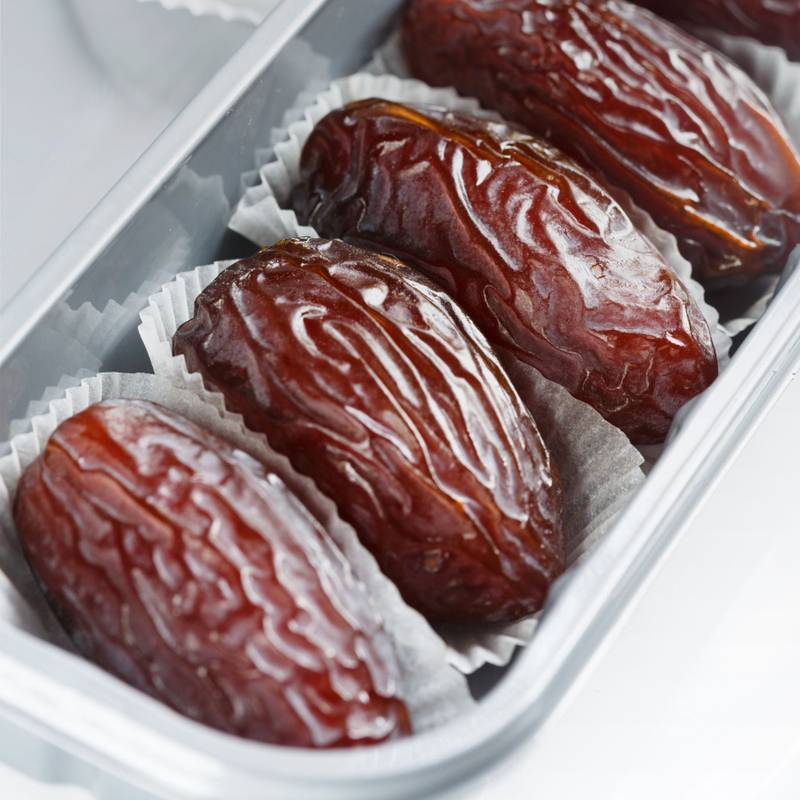
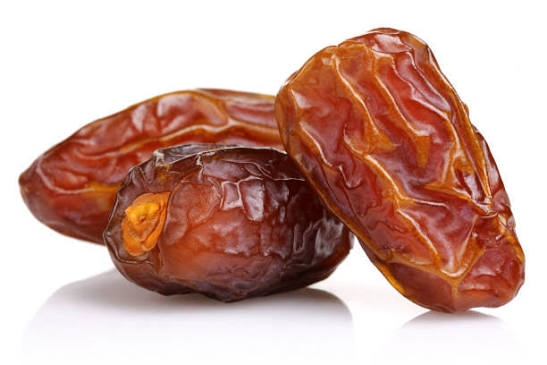
Texture is one of the most noticeable characteristics of dates. Depending on the variety and moisture content, dates may range from relatively dry and firm to soft and moist.
Storage temperature can influence how this texture is maintained over time. Prolonged exposure to unsuitable temperatures may contribute to changes in softness, firmness, or moisture distribution within the fruit.
Temperature fluctuations can also be important. Repeated changes between warmer and cooler conditions may affect condensation and moisture migration, which can eventually influence the consistency of the product.
Temperature and Date Moisture
Moisture is a major factor in determining the texture and storage behavior of dates. Dates with higher moisture content generally require greater attention to storage conditions than very dry products.
When dates are exposed to unsuitable environmental conditions, moisture can move within the product or interact with the surrounding environment. This can affect softness, surface appearance, and the uniformity of a batch.
For this reason, temperature should not be considered independently from humidity and packaging. A stable storage environment is generally more useful than simply focusing on temperature alone.
Does Temperature Affect the Color of Dates?
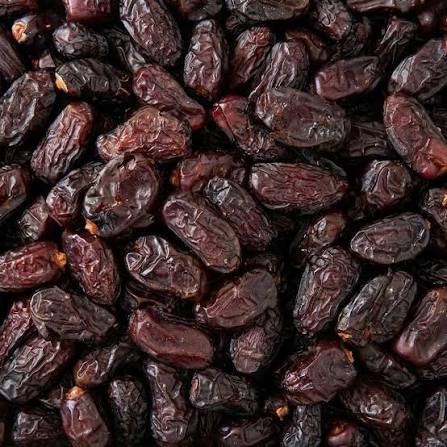
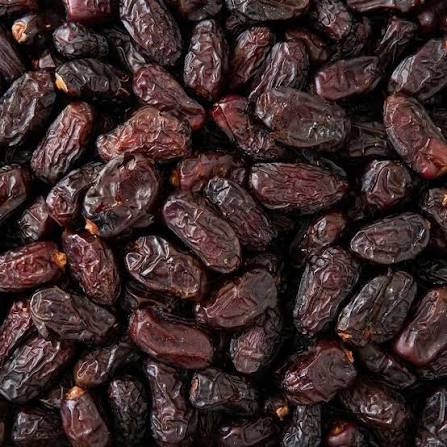
Color is another important quality characteristic used when evaluating dates. Different varieties naturally have different colors, ranging from light golden and amber tones to reddish-brown and dark brown shades.
Storage conditions can influence the stability of these colors over time. Exposure to excessive heat, oxygen, light, or unsuitable environmental conditions may contribute to gradual changes in appearance.
For commercial buyers, maintaining stable storage conditions can therefore be important not only for texture but also for preserving the visual characteristics expected from a particular date variety.
Temperature Is Only One Part of Storage Management
Good date storage involves more than temperature alone. Humidity, packaging, cleanliness, ventilation, exposure to light, storage duration, and the characteristics of the specific date variety should also be considered.
Room Temperature vs. Controlled Storage
Some dates can be stored at room temperature for relatively short periods when the environment is clean, dry, stable, and suitable for the product. However, room-temperature storage is not necessarily the ideal solution for every date or every storage period.
For longer storage periods, controlled cool conditions may help slow quality changes. This can be particularly relevant for products that need to remain in storage before distribution or export.
The correct approach depends on the product specification. A soft, high-moisture date may require different handling from a drier variety, even when both products are classified as dates.
Why Temperature Stability Matters
Maintaining a relatively stable storage environment is important because repeated temperature changes can create conditions that are less favorable for product consistency.
For example, moving dates repeatedly between warm and cool environments may increase the possibility of condensation or moisture redistribution. This can influence the surface condition and texture of the fruit.
Date Storage During Transportation and Export
Temperature management becomes particularly important when dates are transported over long distances. During wholesale distribution and international trade, dates may pass through several stages, including warehouse storage, loading, transportation, customs procedures, and destination storage.
Each stage can expose the product to different environmental conditions. For this reason, exporters and buyers should consider the complete supply chain rather than focusing only on the storage conditions at the production facility.
Suitable packaging can also help protect dates from environmental changes. Packaging specifications should be selected according to the date variety, moisture content, transportation method, storage duration, and requirements of the destination market.
How Should Wholesale Dates Be Stored?
Wholesale date storage should be organized around the specifications of the product and the expected distribution period. Before storing a large quantity, buyers and suppliers should identify the variety, moisture characteristics, packaging format, intended storage duration, and transportation conditions.
- Keep dates in a clean and controlled storage environment.
- Avoid unnecessary exposure to excessive heat.
- Minimize significant temperature fluctuations.
- Protect the product from excessive moisture and condensation.
- Use packaging appropriate for the specific date product.
- Keep storage areas clean and suitable for food products.
- Monitor storage conditions during long-term warehousing and transportation.
- Consider the specific characteristics of each date variety when defining storage conditions.
Factors That Should Be Considered Alongside Temperature
Temperature is an important storage parameter, but it should always be considered together with other factors. Focusing on temperature alone may not provide an accurate picture of the storage environment.
- Humidity: Excessive moisture can affect product condition and packaging.
- Packaging: Suitable packaging helps protect dates during storage and transportation.
- Light: Prolonged exposure to light may influence the appearance and stability of some products.
- Storage duration: Longer storage generally requires greater control of environmental conditions.
- Date variety: Different varieties have different moisture and texture characteristics.
- Product condition: Fresh, processed, pitted, packed, and other date products may have different handling requirements.
For wholesale buyers: Before placing a large order, it is useful to confirm the supplier's recommended storage conditions, packaging specifications, expected shelf life, and transportation requirements for the exact date variety being purchased.
How Proper Storage Helps Maintain Date Quality
Proper storage does not change the natural characteristics of a date variety, but it can help preserve those characteristics for a longer period. Stable environmental conditions can support better consistency in texture, moisture, color, and overall product condition.
For businesses purchasing dates in bulk, this is particularly important because the product may remain in storage before it is processed, repacked, distributed, or sold to the next stage of the supply chain.
A professional storage strategy therefore begins with understanding the product itself. The appropriate conditions for one variety or moisture level may not necessarily be suitable for another.
Conclusion
Temperature plays an important role in maintaining the quality of dates during storage. It can influence texture, moisture balance, color stability, and the rate at which quality changes occur. For longer storage and international distribution, controlled and stable conditions can be especially important.
However, date storage should always be considered as a complete system. Temperature, humidity, packaging, storage duration, transportation conditions, and the characteristics of the specific variety should work together to protect product quality.
For wholesale and export markets, working with a supplier who can provide clear information about product specifications, packaging, storage requirements, and handling conditions can help buyers manage dates more effectively throughout the supply chain.
Looking for Iranian Dates for Wholesale and Export?
Mia supplies Iranian dates for wholesale buyers, importers, distributors, and food businesses. Contact us to discuss available varieties, specifications, packaging, and bulk requirements.
Contact MiaStorage requirements may vary depending on date variety, moisture content, packaging, processing method, storage duration, and transportation conditions. Specific commercial storage specifications should be confirmed for the individual product.