

How Are Pitted Dates Produced? A Guide to the Date Pitting Process
Dates are naturally consumed in many different forms, but removing the pit can make the fruit considerably easier to handle and process. For food manufacturers and wholesale buyers, pitted dates can provide a practical ingredient that is ready for further processing or direct incorporation into specific food products.
Producing pitted dates involves more than simply removing the pit. The dates must first be selected and prepared appropriately, then processed using suitable equipment or methods. After pitting, the product is inspected to ensure that the dates meet the required quality and safety specifications.
What Are Pitted Dates?
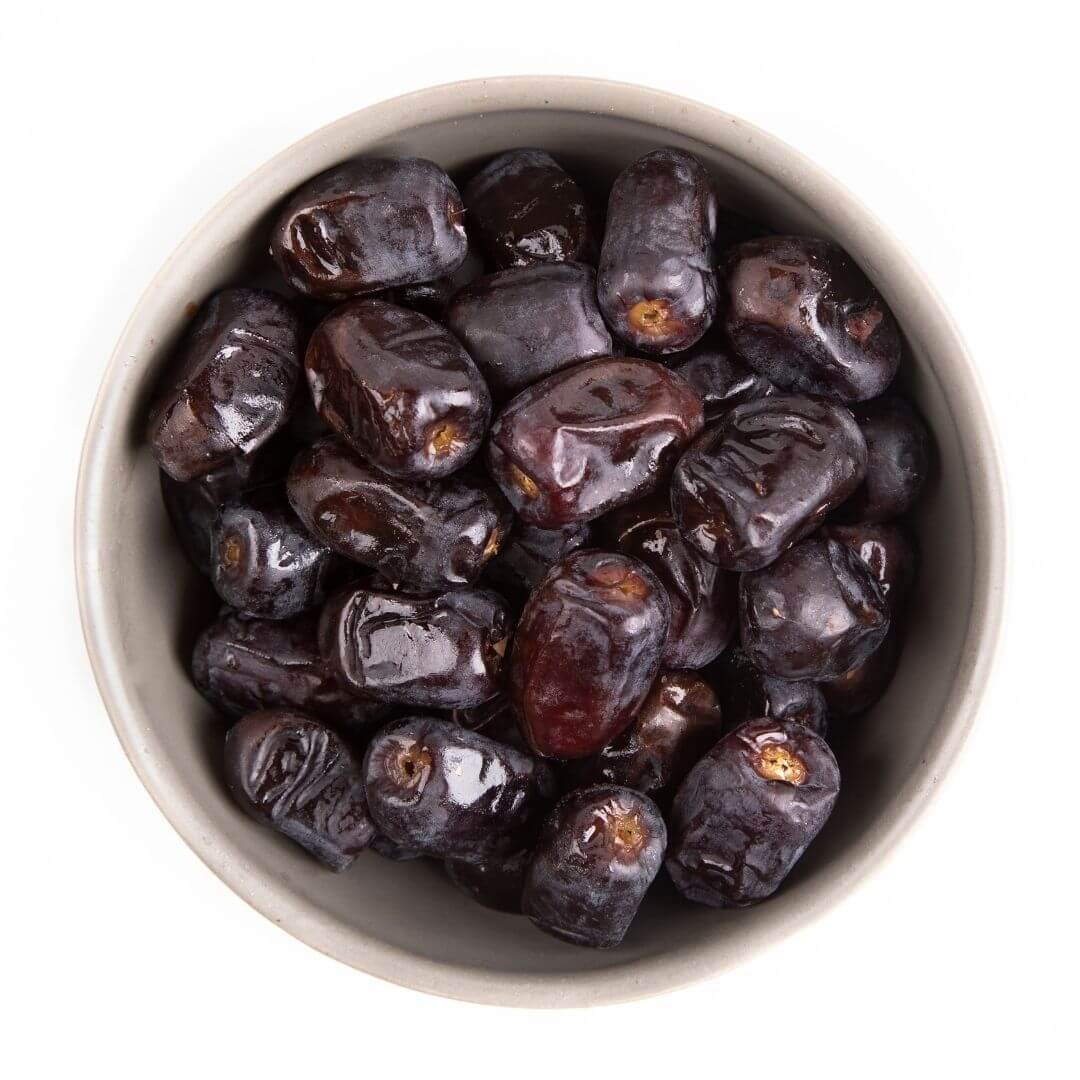
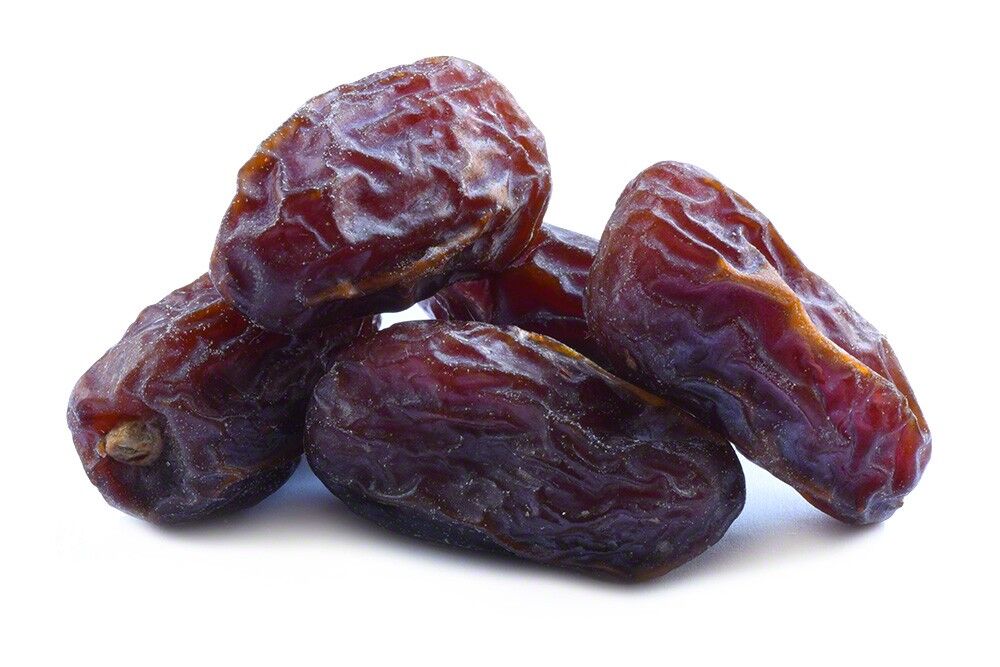
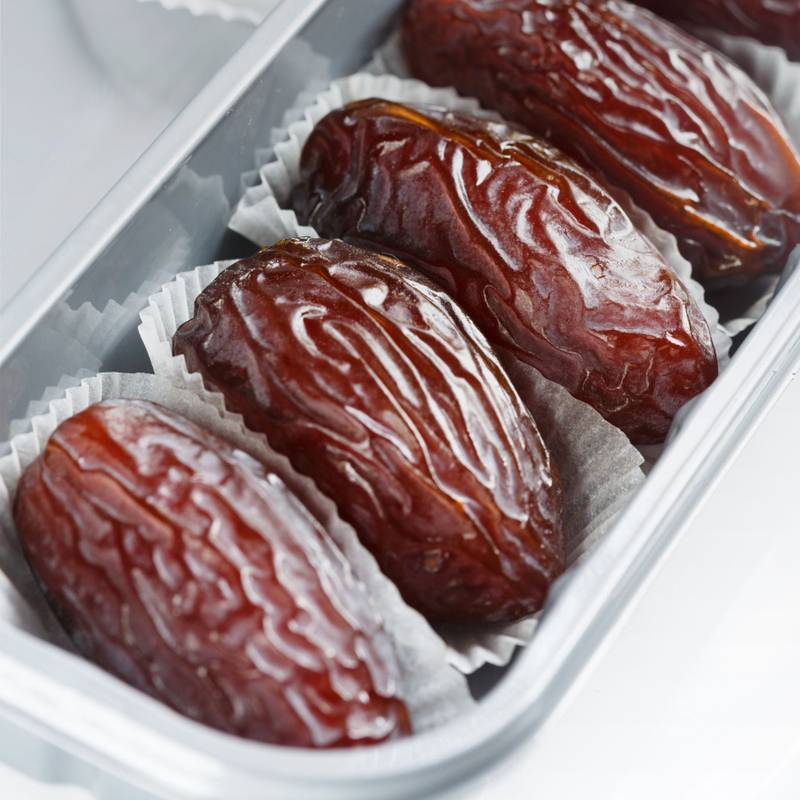
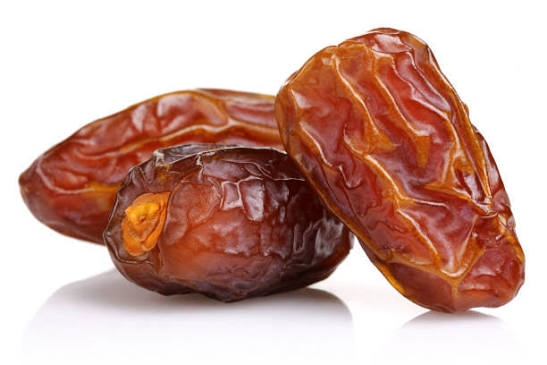
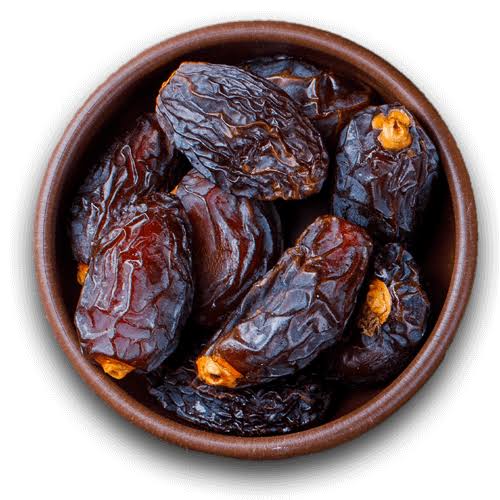
Pitted dates are whole date fruits with their natural pits removed. Unlike date paste or other processed date ingredients, the fruit itself remains largely intact after the pit has been removed.
Depending on the variety and processing method, pitted dates may retain much of their original shape, texture, color, and natural sweetness. They can then be packed as a finished ingredient or supplied to manufacturers for further processing.
The exact characteristics of the final product depend on the date variety, maturity, moisture content, handling procedures, and processing conditions.
Important: Not all date varieties behave identically during pitting. The appropriate process depends on factors such as fruit texture, moisture level, size, and intended end use.
Step 1: Selecting Suitable Dates
The pitting process begins with selecting dates that are suitable for the intended product. Variety, maturity, moisture content, size, texture, and overall condition can all influence how effectively the fruit can be processed.
Dates intended for pitting should generally be checked for defects and unsuitable fruit before entering the processing line. Proper selection helps create a more consistent finished product.
Step 2: Preparing the Dates
Before the pits are removed, dates may undergo preparation steps appropriate to their condition and the processing system. The purpose of preparation is to make the fruit suitable for efficient handling while minimizing unnecessary damage.
Preparation requirements can vary depending on the variety and processing line. The fruit must be handled carefully because excessive mechanical pressure can affect the shape and surface of the dates.
Step 3: Removing the Date Pit
The central stage of the process is the removal of the pit. Depending on the scale of production and the characteristics of the product, pitting may be performed using specialized equipment or suitable controlled processing methods.
During mechanical pitting, the date is positioned so that the pit can be removed while minimizing damage to the surrounding flesh. The objective is to produce a clean pitted date while maintaining the desired physical characteristics of the fruit.
Industrial processing systems can improve consistency and processing efficiency, particularly when large quantities of dates need to be prepared for commercial use.
The Goal of the Pitting Process
The purpose of pitting is not simply to remove the pit. A suitable process should also help preserve the fruit's usable flesh, minimize unnecessary damage, and produce a consistent product suitable for the intended application.
Step 4: Checking for Remaining Pit Fragments
Quality control is an important stage after pitting. The processed dates should be inspected to identify any remaining pit fragments or other unwanted material.
Depending on the processing system, inspection can involve manual quality checks, mechanical inspection, or other appropriate control procedures. The exact system depends on the facility, product specifications, and applicable food safety requirements.
For commercial food applications, effective quality control is particularly important because pitted dates may be used directly as an ingredient in products consumed by end customers.
Step 5: Sorting and Quality Control
After pitting, dates may be sorted according to size, appearance, texture, or other agreed product specifications. Sorting helps create greater consistency within each commercial batch.
- Checking the physical condition of the fruit.
- Removing unsuitable or damaged pieces.
- Checking for remaining pit fragments.
- Assessing consistency of size and appearance.
- Checking the product according to agreed specifications.
- Preparing the finished product for packaging.
Step 6: Packaging Pitted Dates
Once the dates have passed the required quality checks, they can be packaged according to the intended market and application. Packaging specifications may vary considerably between retail products and industrial or wholesale supplies.
For bulk buyers, packaging may be selected based on transportation requirements, storage conditions, order volume, destination market, and the buyer's production process.
Suitable packaging should help protect the dates during handling, storage, and transportation while maintaining the required product condition.
What Affects the Pitting Process?
The pitting process can vary depending on several characteristics of the raw material. Understanding these factors is important when selecting dates for industrial processing.
- Date variety: Different varieties have different physical characteristics.
- Moisture content: Moisture influences softness and processing behavior.
- Fruit maturity: Maturity can affect texture and how the fruit responds to mechanical handling.
- Fruit size: Size and shape can influence equipment settings and processing consistency.
- Processing equipment: Industrial systems are designed according to the characteristics of the product.
- Final application: Requirements may differ between bakery, snack, confectionery, and other food applications.
Applications of Pitted Dates
Pitted dates are used in a wide range of food applications because the removal of the pit reduces an important preparation step for manufacturers.
Depending on the variety and specifications, pitted dates can be used in bakery products, confectionery, snack products, fillings, energy products, date-based foods, and other processed food applications.
- Bakery and pastry products
- Confectionery products
- Date-based snacks
- Energy bars and similar products
- Date fillings
- Date paste production
- Food ingredient manufacturing
- Other industrial date-based products
For food manufacturers: When purchasing pitted dates in bulk, it is useful to specify the required variety, moisture characteristics, size, pitting quality, packaging format, and intended application before confirming the order.
Pitted Dates vs. Date Paste
Pitted dates and date paste are related but different products. Pitted dates are whole fruits from which the pit has been removed, while date paste is produced through additional processing that changes the physical structure of the fruit into a more uniform paste-like ingredient.
The choice between these products depends on the manufacturing process and the desired final product. Some applications require whole pitted dates, while others benefit from a soft and uniform date paste.
Why Are Pitted Dates Important for Wholesale Buyers?
For wholesale buyers and food manufacturers, pitted dates can reduce the preparation required before the fruit enters the production process. This can make the product convenient for businesses that use dates as an ingredient at an industrial scale.
When sourcing pitted dates internationally, buyers should pay attention not only to the variety and price but also to product specifications, processing standards, packaging, storage requirements, and quality control procedures.
Clear communication between the supplier and buyer is particularly important when the dates are intended for industrial applications, because the required specifications may differ depending on the final product.
Conclusion
Producing pitted dates involves a series of controlled steps, beginning with selecting suitable dates and preparing them for processing. The pit is then removed using an appropriate method, followed by inspection, sorting, quality control, and packaging.
The quality of the finished pitted dates depends on the characteristics of the raw fruit as well as the handling and processing conditions. For this reason, selecting the appropriate variety and defining clear product specifications are important parts of commercial date processing.
For wholesalers, importers, and food manufacturers, pitted Iranian dates can provide a practical ingredient for a variety of food applications. The appropriate product should be selected according to the required variety, specifications, packaging, and intended use.
Looking for Iranian Pitted Dates in Bulk?
Mia supplies Iranian dates for wholesale buyers, importers, distributors, and food manufacturers. Contact us to discuss pitted date varieties, specifications, packaging, and bulk requirements.
Contact MiaProcessing methods and specifications may vary according to date variety, moisture content, equipment, intended application, and market requirements.