

Why Do Date Prices Vary? Key Factors Affecting Wholesale Date Prices
Dates are available in a wide range of varieties, grades, sizes, textures, and packaging formats. As a result, two products that are both described simply as “dates” can have significantly different wholesale prices.
For businesses purchasing dates in bulk, understanding the reasons behind price differences is important. A lower price does not necessarily mean a better commercial opportunity, while a higher price does not automatically indicate superior quality. The actual value of a shipment depends on its specifications and whether those specifications match the requirements of the target market.
1. Date Variety
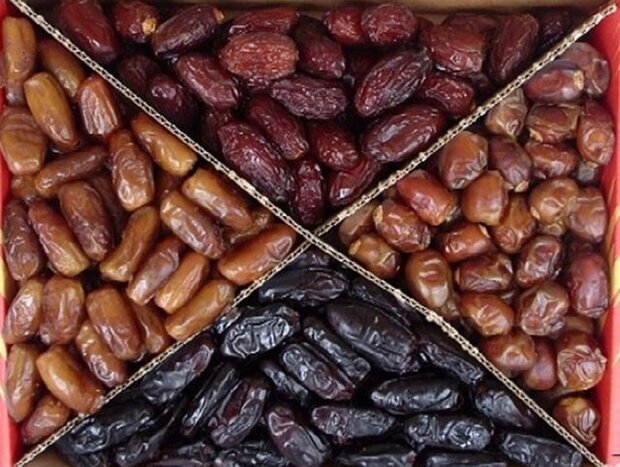
One of the most visible factors affecting date prices is the variety. Different date varieties have different characteristics, including size, color, texture, sweetness, moisture content, shelf stability, and consumer demand.
Some varieties are widely available and are produced in large volumes, while others may have more limited production or specialized demand. These differences can result in substantial variations in wholesale pricing.
For international buyers, the most suitable variety is usually determined by the intended application and target market. Dates intended for direct retail consumption may have different specifications from dates purchased for industrial processing.
2. Quality Grade
Quality grade is another major factor in wholesale date pricing. Dates can be graded according to characteristics such as appearance, maturity, cleanliness, size, texture, skin condition, and the presence of defects.
A higher-grade product generally requires stricter selection and sorting. Dates with more uniform appearance and fewer visible defects may therefore require additional handling and command a different price from lower grades.
3. Date Size and Uniformity
The size of individual dates can also influence wholesale pricing. In many markets, buyers specify a particular size range because uniform products are easier to present, package, and sell.
A shipment containing dates with consistent size and appearance may require more precise sorting than a mixed-size shipment. The additional grading and selection can affect the final price.
4. Moisture Content and Texture
Moisture content has an important relationship with the texture and commercial characteristics of dates. Dates can range from relatively soft and moist products to semi-dry and drier types.
The required moisture level depends on the variety, intended use, market requirements, and storage conditions. Products with different moisture specifications may therefore have different handling, storage, and packaging requirements.
For wholesale buyers, moisture should be considered as part of the product specification rather than as an isolated number. It can influence texture, stability, packaging requirements, and suitability for different applications.
5. Sorting and Grading Requirements
Sorting is an important part of preparing dates for wholesale and export markets. During sorting, dates may be separated according to size, appearance, maturity, defects, and other agreed specifications.
A product that requires strict grading and a high level of uniformity may involve more labor, equipment, inspection, and quality control. These additional requirements can contribute to the final wholesale price.
6. Processing Requirements
The amount of processing required before dates are ready for delivery can also affect their price. Depending on the product and buyer requirements, processing may include cleaning, sorting, grading, pitting, inspection, or preparation for specific packaging formats.
For example, whole dates and pitted dates are different commercial products and may require different processing steps. Customized preparation for a particular food manufacturer or distributor can also affect the final quotation.
7. Packaging and Presentation
Packaging is another component of the total wholesale cost. Bulk dates may be supplied in different packaging formats depending on the buyer's requirements, destination market, transportation method, and intended application.
Standard bulk packaging and customized retail-ready packaging involve different materials, labor, labeling, and handling requirements. Private-label orders may also require additional preparation.
8. Order Volume
Order quantity can have a significant effect on wholesale pricing. Larger orders may allow suppliers to organize sourcing, processing, sorting, packaging, and logistics more efficiently.
However, the relationship between quantity and price depends on the product specifications and commercial terms. A large order with highly customized requirements may still involve substantial processing and packaging costs.
9. Seasonality and Supply
Date production is seasonal, and the availability of particular varieties can change throughout the year. Harvest timing, available stocks, storage conditions, and market demand can all influence wholesale prices.
Prices may therefore differ depending on when an order is placed and which variety and grade are required. Buyers planning regular imports may benefit from discussing supply schedules and specifications with suppliers in advance.
10. Market Demand
Demand in domestic and international markets can also influence wholesale date prices. Consumer preferences, food industry demand, export activity, and the availability of competing products may affect market conditions.
Demand can also vary by variety. A variety that is particularly popular in a specific destination market may have a different commercial value from a variety with lower demand in that market.
11. Origin and Sourcing Conditions
The production region and sourcing conditions can also be relevant when evaluating wholesale dates. Different growing regions may produce dates with different characteristics, availability, and established market demand.
For buyers sourcing Iranian dates, the origin should be considered together with variety, grade, processing specifications, and quality controls. Origin alone does not determine the quality or price of a shipment.
How Should Wholesale Buyers Compare Date Prices?
Comparing wholesale date prices is most useful when the products being compared have similar specifications. A quotation should be evaluated based on the complete product profile rather than the price per kilogram alone.
- Variety and origin
- Quality grade
- Average size and size range
- Moisture specification
- Whole or pitted format
- Sorting and grading requirements
- Packaging type and weight
- Order quantity
- Delivery terms and destination
- Required quality and inspection specifications
Conclusion
Wholesale date prices are influenced by a combination of product characteristics and commercial conditions. Variety, quality grade, size, moisture, sorting, processing, packaging, order volume, seasonality, supply, and market demand can all contribute to differences between quotations.
For importers, distributors, wholesalers, and food manufacturers, the most useful approach is to evaluate the complete specification of a product rather than focusing only on its price per kilogram. A clear understanding of the product requirements can make supplier comparisons more transparent and help buyers select dates that match their target market and intended application.
Iran is an important origin for a wide range of date varieties, offering products for different wholesale, food manufacturing, and export applications. The appropriate product depends on the buyer's required variety, grade, quantity, processing level, packaging, and destination market.
Wholesale date prices can vary according to product specifications, market conditions, order quantity, packaging, and commercial terms. Final quotations should be based on the exact requirements of each order.