


How Are Iranian Dates Sorted? A Guide to Date Sorting, Grading, and Preparation
Iran produces a wide range of date varieties, and the fruit can differ considerably in size, color, texture, moisture, maturity, and appearance. For this reason, dates are commonly sorted and graded before they are supplied to customers.
The purpose of sorting is not simply to remove defective fruit. It is also used to create more consistent batches that meet specific commercial requirements. For wholesale and export buyers, consistency can be particularly important because the product may need to meet predefined specifications throughout an order.
1. Initial Inspection
The sorting process generally begins with an initial inspection of the incoming dates. The fruit is evaluated to determine its general condition and whether it is suitable for further processing and grading.
At this stage, factors such as visible damage, contamination, excessive deterioration, abnormal appearance, and overall condition may be considered. Dates that do not meet the required specifications can be separated from the acceptable product.
2. Removing Unsuitable Dates
Dates that do not meet the agreed product requirements may be removed during sorting. Depending on the specification, this can include fruit with significant physical damage, unsuitable maturity, excessive defects, or other quality issues.
The exact acceptance criteria can vary according to the date variety, intended application, destination market, and buyer requirements.
3. Sorting by Size
Size is one of the important characteristics considered during date grading. Buyers may require dates within a particular size range to achieve a more uniform appearance in bulk or retail packaging.
Separating dates by size can make the final product more consistent and can help suppliers prepare different grades for different market requirements.
4. Grading by Appearance
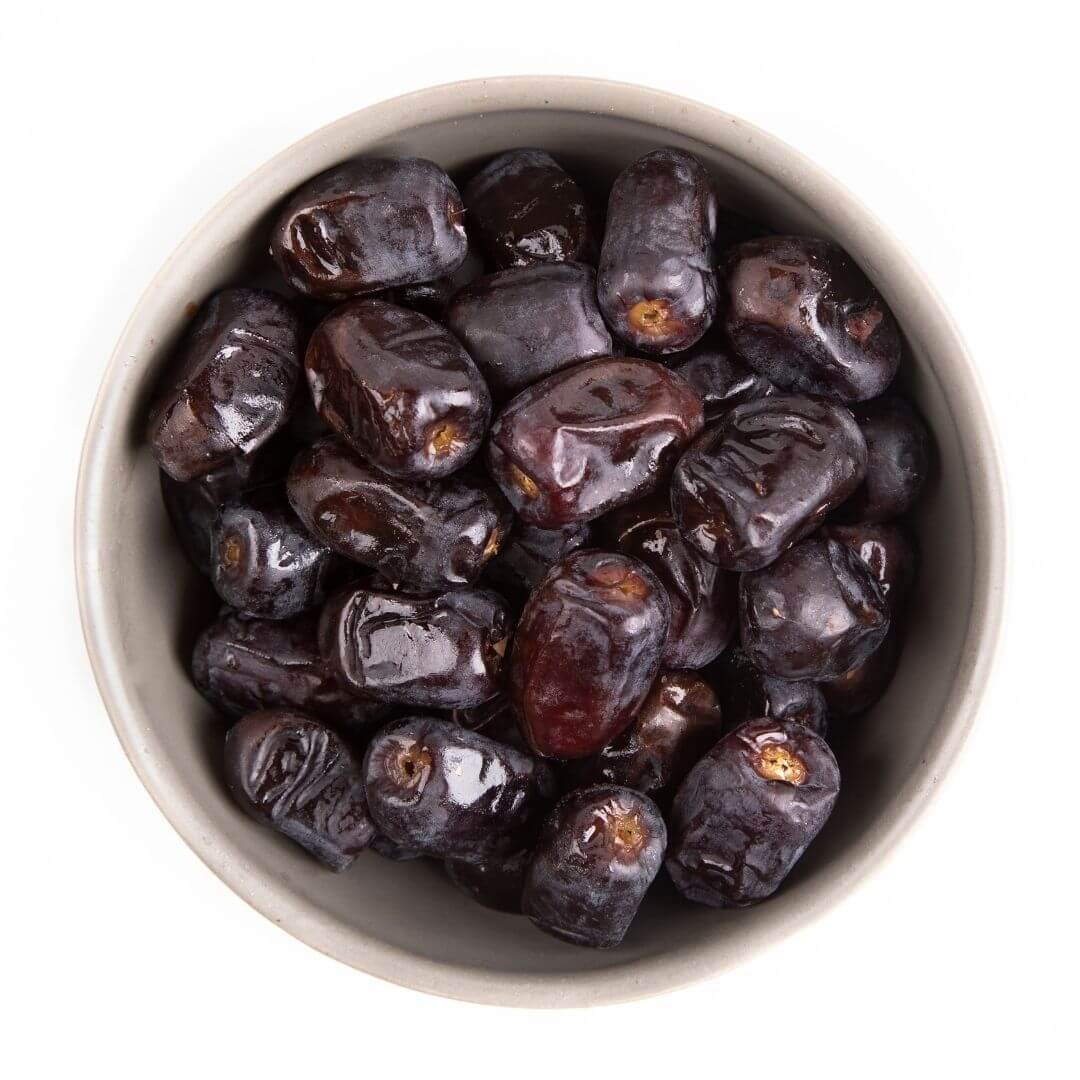
Appearance is another important factor in date sorting. Depending on the variety and market, buyers may look for dates with relatively consistent color, shape, skin condition, and overall appearance.
Dates with significant surface damage or other visible defects may be separated from higher-grade products. This allows different grades to be prepared according to the commercial requirements of the buyer.
5. Checking Maturity and Texture
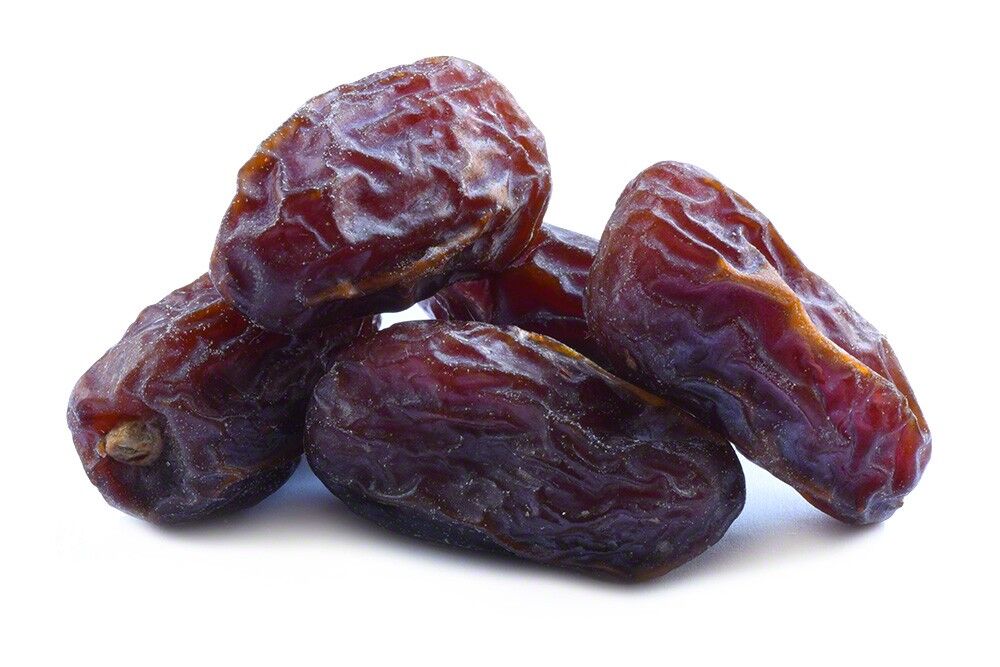
Maturity and texture are also relevant when preparing dates for different markets. Depending on the variety, dates can have soft, semi-dry, or drier characteristics.
The desired texture can depend on the variety and intended application. Dates supplied for direct consumption may have different specifications from dates intended for further food processing.
6. Checking for Physical Defects
Physical defects can be considered during quality inspection and sorting. Depending on the agreed specification, inspectors may look for issues such as excessive bruising, cuts, damaged skin, deformation, or other visible abnormalities.
The acceptable level of defects depends on the grade and destination market. A product intended for a premium presentation may require tighter appearance specifications than dates intended for industrial processing.
7. Manual and Mechanical Sorting
Date sorting can involve manual inspection, mechanical equipment, or a combination of both. The method used depends on the facility, product volume, variety, and required level of grading.
Manual inspection can be useful for identifying certain visual characteristics and defects, while mechanical systems can support the handling and separation of larger quantities. In many commercial operations, technology and human quality control work together.
8. Creating Different Grades
After inspection and separation, dates can be divided into different grades according to the agreed product specifications. These grades may differ in size, appearance, maturity, texture, or the acceptable level of visible defects.
Grading allows suppliers to offer products for different applications and market segments. For example, one specification may be suitable for direct consumption, while another may be more appropriate for food processing.
9. Quality Control After Sorting
Sorting is not necessarily the final quality-control stage. After grading, the finished batches may undergo additional inspection to verify that they meet the agreed specifications.
For wholesale orders, quality control may focus on product consistency, packaging requirements, quantity, labeling, and other specifications agreed between the buyer and supplier.
10. Preparing Dates for Packaging
Once dates have been sorted and graded, they can be prepared for the appropriate packaging format. Packaging requirements vary depending on whether the product is intended for bulk distribution, food manufacturing, retail sale, or export.
Bulk buyers may request specific weights, carton formats, food-grade packaging materials, labels, or other requirements. These specifications should be agreed before production and packing.
11. Why Sorting Matters for Wholesale and Export
For wholesale buyers, consistent sorting can make a significant difference in the usability and commercial presentation of the product. Buyers often need predictable specifications across large quantities rather than a mixed batch with substantial variation.
Proper sorting also helps suppliers match different date grades with different applications. This can make it easier to prepare products according to the requirements of importers, distributors, food manufacturers, and other commercial buyers.
- More consistent size and appearance
- Separation of unsuitable or defective fruit
- Clearer product specifications
- Better preparation for packaging
- More consistent wholesale batches
- Better alignment with buyer requirements
What Should Wholesale Buyers Specify When Ordering Iranian Dates?
When purchasing Iranian dates in bulk, buyers should provide clear product specifications. This allows the supplier to prepare and quote the product according to the actual requirements rather than providing a general price for an unspecified product.
- Date variety
- Required quality grade
- Preferred size or size range
- Texture and moisture requirements
- Acceptable level of visible defects
- Whole or pitted format
- Packaging type and weight
- Total order quantity
- Destination market
- Additional inspection or labeling requirements
Conclusion
Sorting is an important part of preparing Iranian dates for wholesale and export markets. The process can include initial inspection, removal of unsuitable fruit, size and quality grading, defect separation, final quality control, and preparation for packaging.
The exact sorting criteria depend on the date variety, intended application, destination market, and buyer requirements. For this reason, a clear product specification is essential when purchasing dates in bulk.
For importers, wholesalers, distributors, and food manufacturers, understanding the sorting and grading process provides a better basis for evaluating Iranian dates and comparing different wholesale offers.
Date sorting and grading specifications may vary according to variety, market, processing requirements, and buyer specifications. Final product requirements should be agreed before confirming a wholesale order.