

When Are Dates Harvested? Understanding Khalal, Rutab and Tamar Stages
Summary: Dates are not necessarily harvested at one single stage of ripeness. Depending on the variety, growing conditions and intended market, date fruits may be harvested and consumed at the Khalal, Rutab or Tamar stage. These stages differ in texture, moisture, sweetness, color and commercial use.
Understanding date ripening stages is important for wholesalers, importers, exporters and food manufacturers. The stage at which a date is harvested affects its texture, shelf life, handling requirements, packaging options and suitability for different markets. In international date trading, the terms Khalal, Rutab and Tamar are commonly used to describe different stages of fruit development and ripeness.
The Main Ripening Stages of Date Fruit
As dates mature, their physical and chemical characteristics gradually change. The fruit becomes sweeter, loses moisture and develops a softer texture as it moves from the earlier Khalal stage toward Rutab and Tamar. However, the exact appearance and texture can vary considerably between date varieties.
- Khalal: Partially ripe, generally firm and higher in moisture.
- Rutab: Soft, moist and fully ripe, with increasing sweetness.
- Tamar: Fully ripe, with further moisture loss and a higher sugar-to-water ratio.
What Is the Khalal Stage?
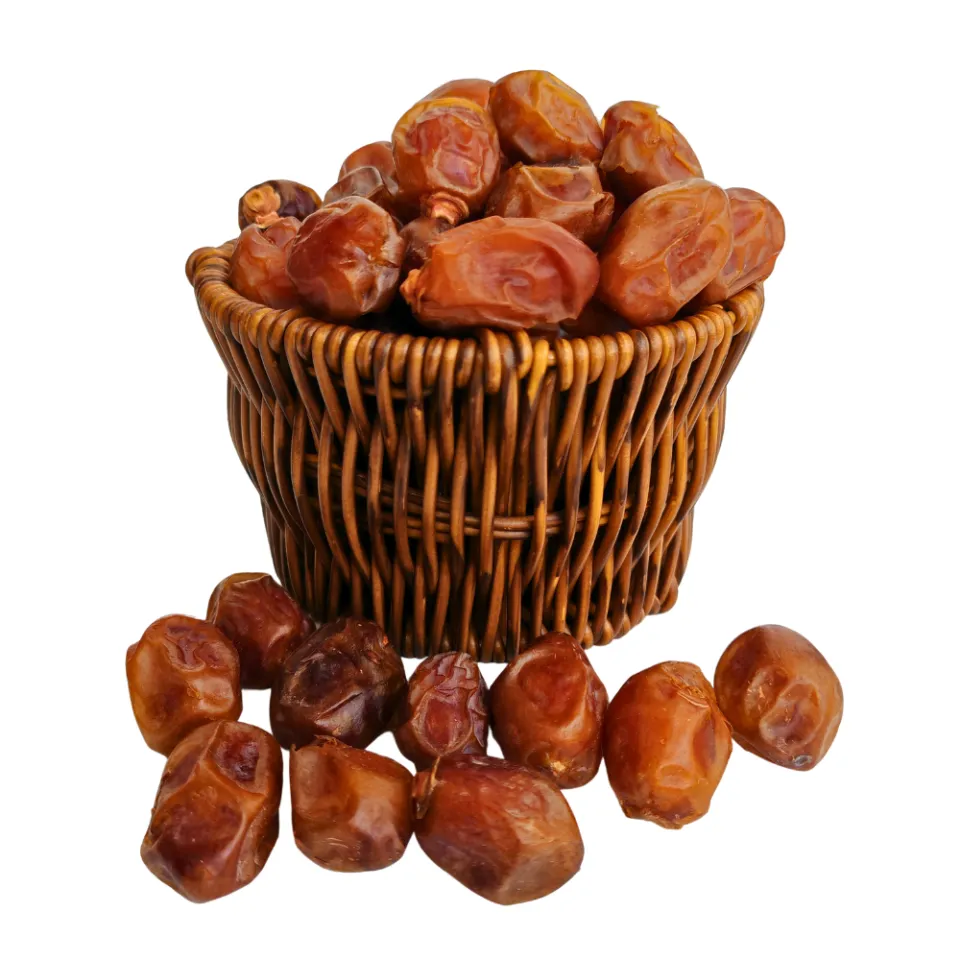
Khalal, sometimes referred to as the partially ripe stage, is an important stage in the development of many date varieties. At this point, the fruit has developed its characteristic shape and color but has not yet reached the soft consistency associated with later ripening stages.
Khalal dates are generally firmer and contain more moisture than dates at the Tamar stage. Some varieties are specifically harvested and consumed at Khalal because consumers value their firm or crisp texture and distinctive flavor. The exact characteristics depend strongly on the cultivar.
What Is the Rutab Stage?
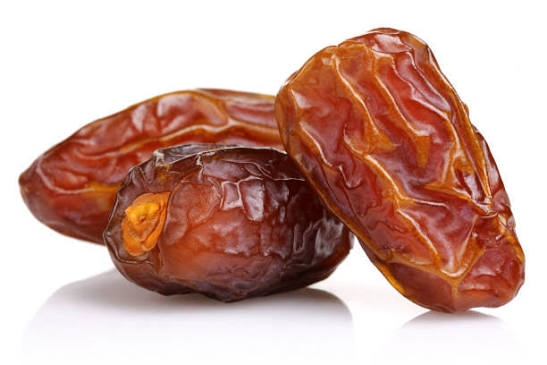
Rutab is the soft and moist fully ripe stage of a date. During this stage, the fruit becomes noticeably softer and sweeter as ripening progresses. Its color may also change toward lighter or darker brown tones depending on the variety.
Typical Characteristics of Rutab Dates
- ✔️ Soft and moist texture
- ✔️ Higher sweetness as ripening progresses
- ✔️ Noticeable moisture loss compared with earlier stages
- ✔️ Suitable for fresh consumption in many varieties
What Is the Tamar Stage?
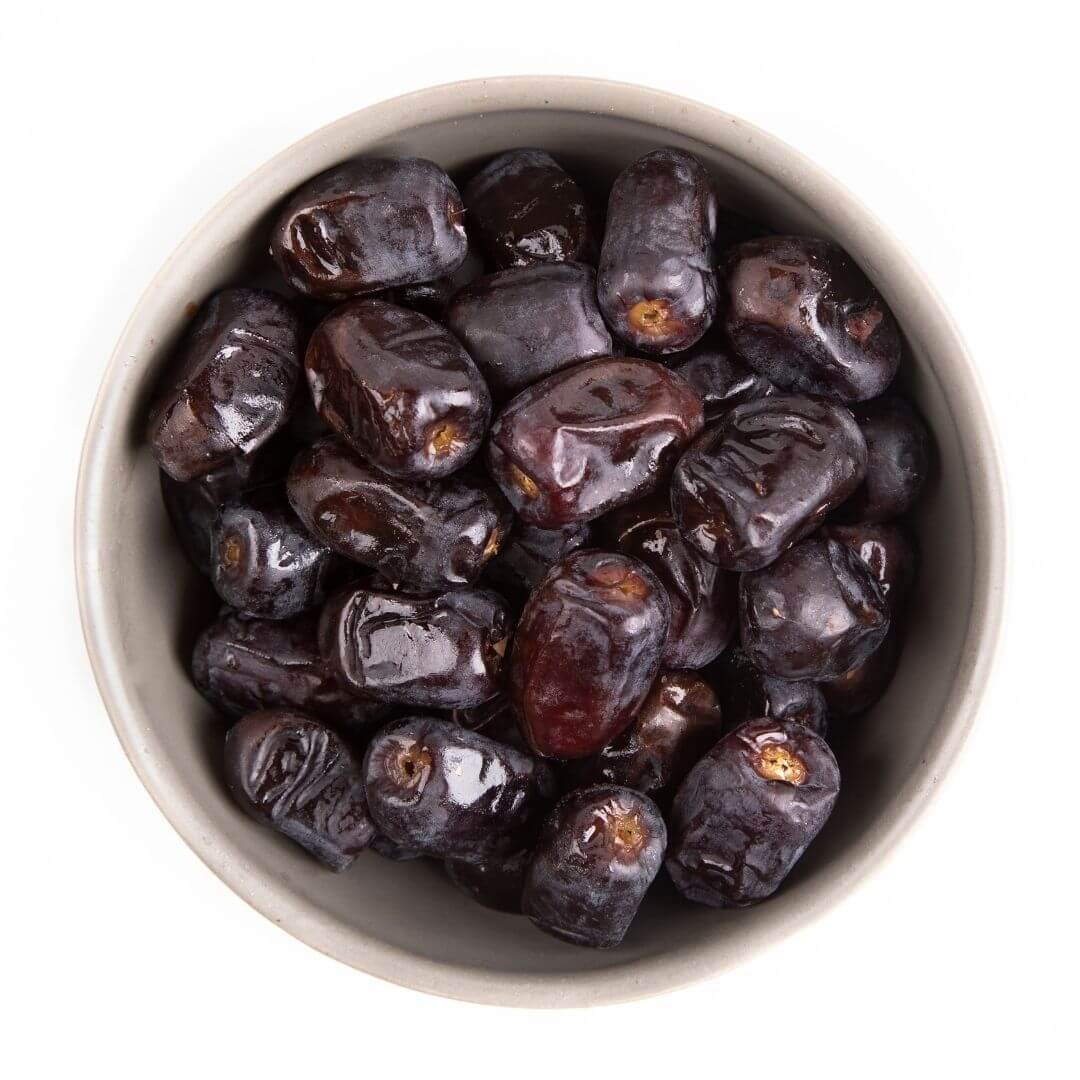
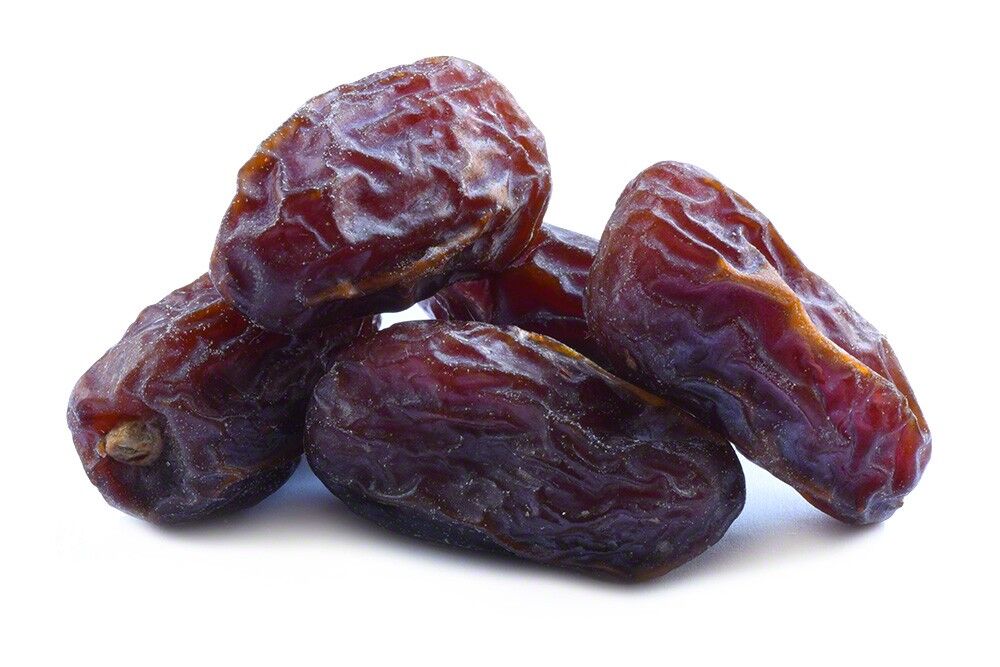
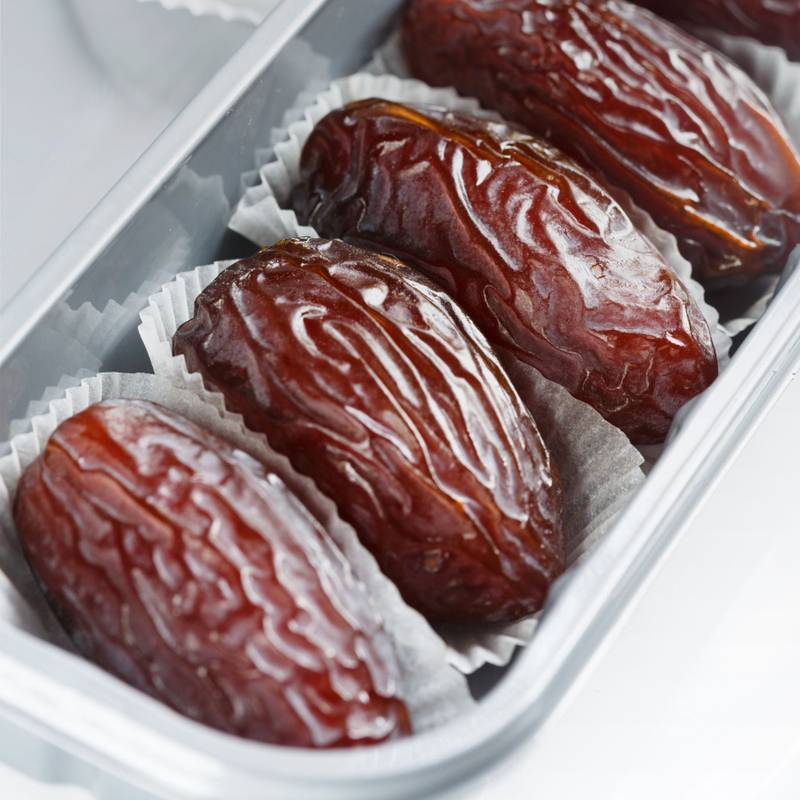
Tamar, also written as Tamr or Tamer in some references, represents the fully ripe stage of date development. At this stage, the fruit has undergone further moisture loss and generally has a higher sugar-to-water ratio than it had during the earlier stages.
Tamar dates can range from relatively soft to semi-dry depending on the variety. Many commercial dates intended for longer storage, transportation and international trade are marketed at or near this stage because their lower moisture content can provide characteristics suitable for handling and storage.
Khalal vs. Rutab vs. Tamar: What Is the Difference?
| Stage | Ripeness | Texture | Moisture |
|---|---|---|---|
| Khalal | Partially ripe | Firm or crisp | Higher |
| Rutab | Fully ripe | Soft and moist | Medium |
| Tamar | Fully ripe | Soft to semi-dry | Lower |
These stages should not be treated as identical for every cultivar. The same date variety may have different commercial characteristics depending on climate, cultivation practices, harvest timing and post-harvest handling.
Why Ripening Stage Matters for Bulk Date Buyers
For bulk buyers and international importers, understanding the ripening stage is essential when selecting dates for a specific market. Khalal dates may be preferred for fresh consumption in certain markets, while Rutab dates offer a soft and moist eating experience. Tamar dates are commonly associated with fully ripe and lower-moisture products and can be suitable for different packaging, storage and distribution requirements.
Important Points When Buying Dates in Bulk
- ✔️ Confirm the exact ripening stage required for your target market
- ✔️ Check moisture level according to the variety and commercial specification
- ✔️ Evaluate texture, color, size and overall fruit quality
- ✔️ Consider storage and transportation conditions before placing a large order
- ✔️ Work with a reliable supplier for consistent quality and supply
Conclusion: From Khalal to Rutab and Tamar
Khalal, Rutab and Tamar are different stages in the development and ripening of date fruit. Khalal is the partially ripe stage and is generally firmer, Rutab is soft and moist as the fruit reaches full ripeness, and Tamar represents the fully ripe stage with further moisture loss. Understanding these differences allows wholesalers, importers and food businesses to select the right date type for their customers, packaging requirements and target market.
*This content is provided for product education, date industry information and SEO optimization.