
Why Are Some Dates More Wrinkled Than Others? The Effect of Moisture and Ripening on Date Appearance
Summary: The amount of wrinkling on a date can vary significantly from one fruit to another. Moisture loss during ripening is one of the main factors, but variety, maturity, storage conditions and environmental humidity can also influence the final appearance and texture of dates.
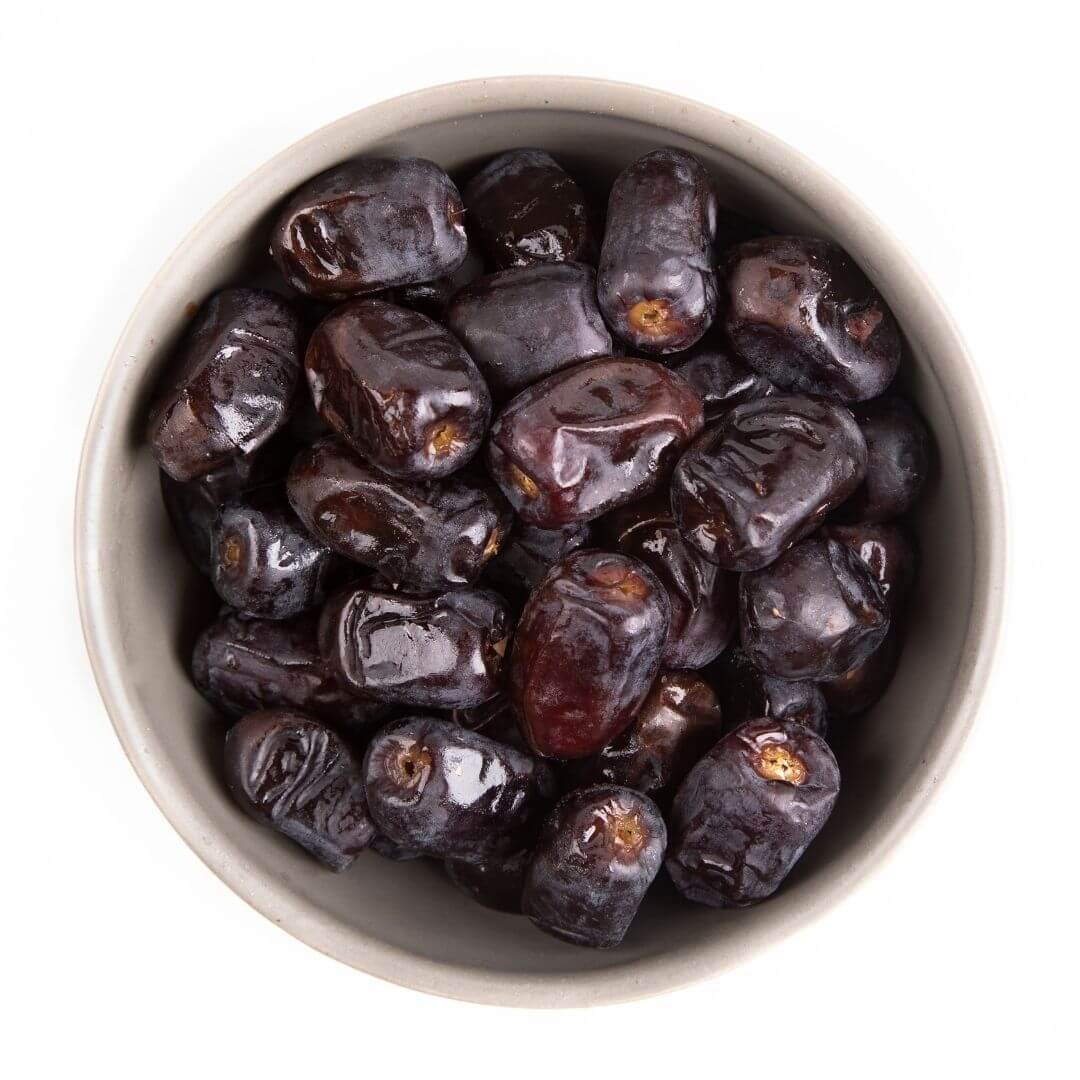
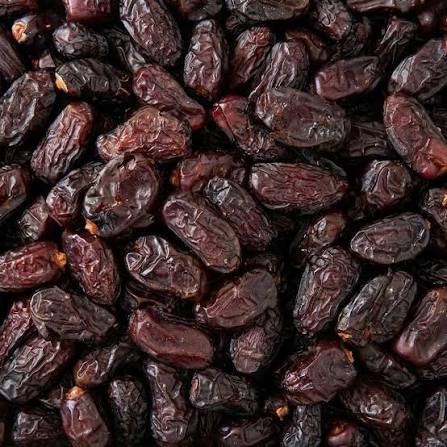
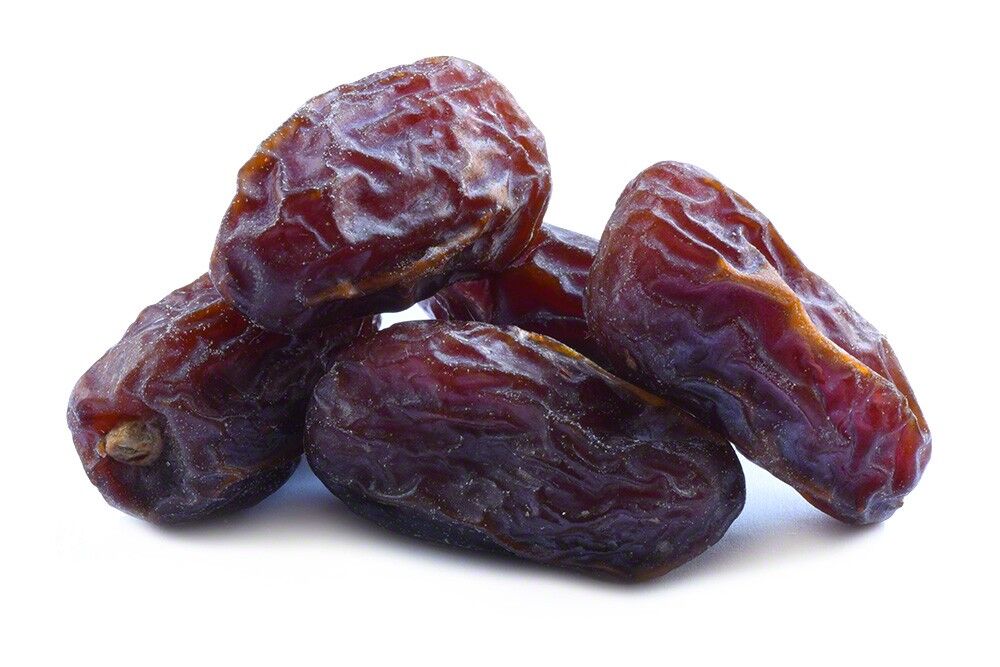
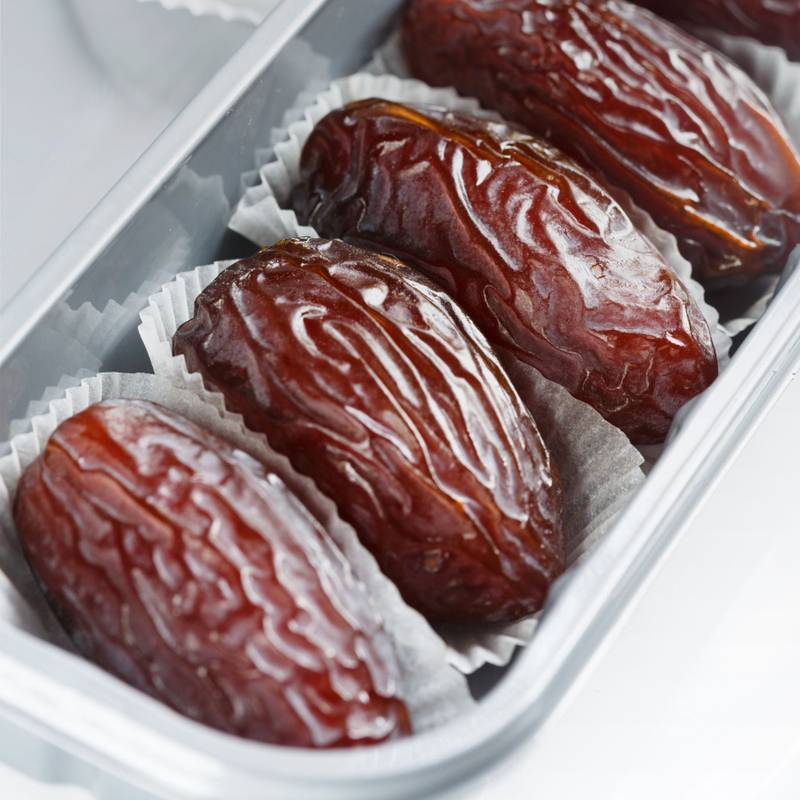
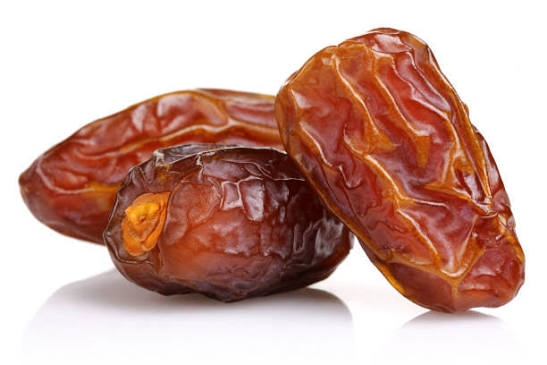
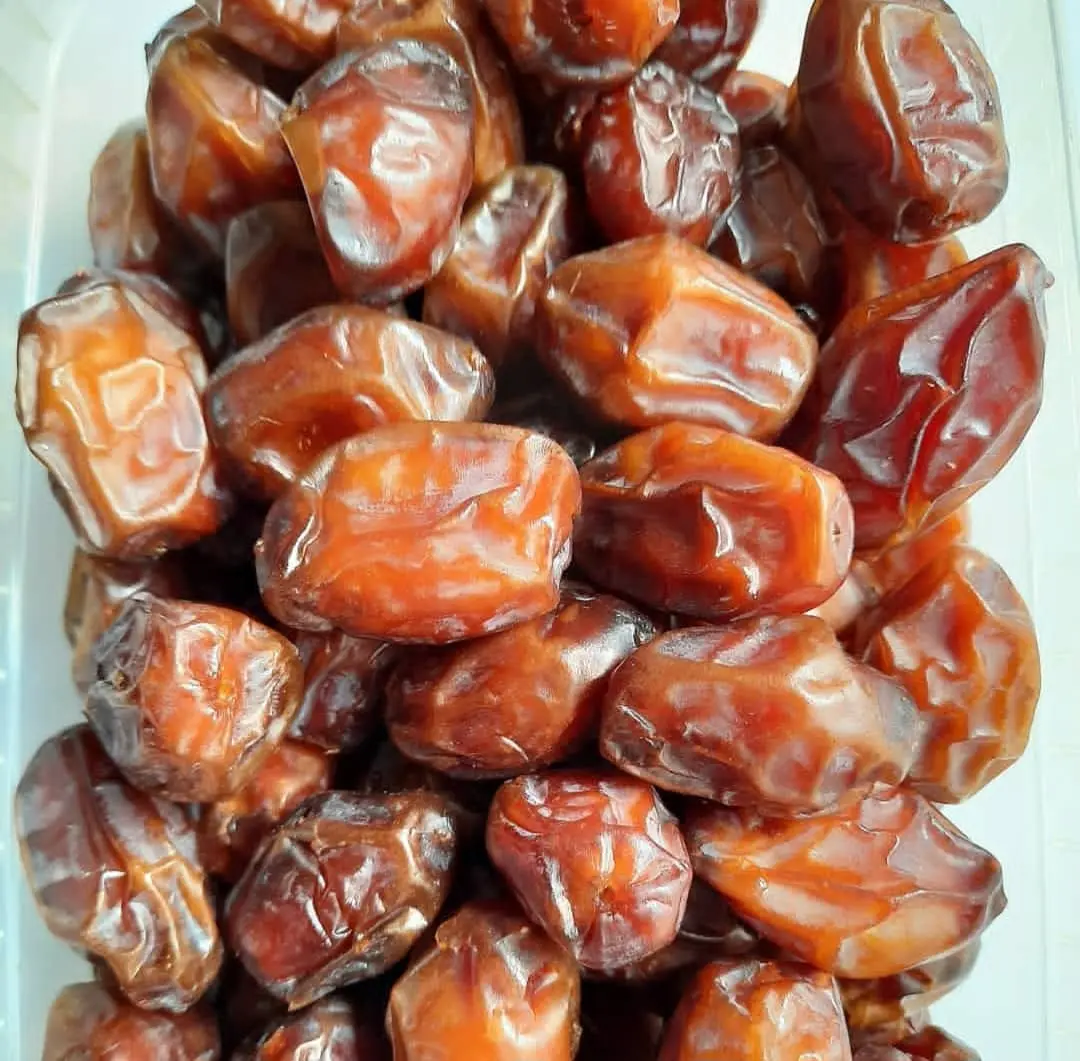
When comparing different types of dates, one of the first visible differences is often the texture of the skin. Some dates have a relatively smooth surface, while others develop fine lines, deep wrinkles or a naturally shriveled appearance. This does not automatically mean that the more wrinkled fruit is inferior. In many date varieties, wrinkling is a natural result of ripening and moisture loss.
For wholesalers, importers and exporters, understanding the relationship between moisture, ripening and appearance is important when evaluating dates for bulk purchase. The visual appearance should always be considered together with variety, texture, moisture, cleanliness, defects and the intended market.
Why Do Dates Become Wrinkled?
The surface of a date changes as the fruit matures. During ripening, dates generally become sweeter and lose moisture, especially as they progress toward the fully ripe Rutab and Tamar stages. As water is lost from the fruit, the skin may become less taut and develop a more wrinkled appearance.
- Moisture loss: Reduced water content can make the skin less firm and more visibly wrinkled.
- Ripening: Natural biochemical changes during maturity affect the texture and appearance of the fruit.
- Variety: Different cultivars naturally have different skin and flesh characteristics.
- Storage conditions: Temperature and relative humidity can influence moisture exchange and texture.
How Moisture Affects Date Appearance
Moisture plays an important role in the physical properties of dates. As a date loses water, its flesh and skin can become less plump. This may create a tighter, softer or more wrinkled surface depending on the variety and its natural structure.
This is particularly noticeable in dates that naturally have lower moisture content or are harvested at a more advanced stage of ripeness. Semi-soft and semi-dry dates can therefore have a more visibly wrinkled surface than varieties with a softer and higher-moisture texture.
Moisture and Surface Appearance
- ✔️ Higher moisture can contribute to a fuller and softer fruit structure.
- ✔️ Moisture loss can reduce the plumpness of the fruit.
- ✔️ Lower-moisture dates may naturally show more visible wrinkles.
- ✔️ Excessive moisture loss can negatively affect texture and commercial quality.
The Role of Ripening in Date Wrinkling
Ripening is another major factor behind changes in date appearance. During the transition from earlier stages toward Rutab and Tamar, the fruit undergoes changes in water content, sugars, texture and color. These changes can gradually transform a relatively firm fruit into a softer and more mature product with a different surface appearance.
However, not every variety follows exactly the same visual pattern. Some dates remain relatively smooth even when fully ripe, while others naturally develop pronounced wrinkles. Therefore, the presence of wrinkles should always be evaluated in relation to the specific date variety.
Why Some Dates Are Smooth While Others Are Highly Wrinkled
The natural structure of the fruit is one of the reasons different date varieties look so different. The thickness and characteristics of the skin, the texture of the flesh, the moisture level and the way the fruit ripens all contribute to its final appearance.
Environmental conditions can also influence appearance. Dates may exchange moisture with the surrounding air during storage. Relative humidity that is too low can contribute to moisture loss, while higher humidity can allow dates to absorb moisture from the environment. For this reason, storage conditions should be controlled according to the characteristics of the particular cultivar and product.
Is a Wrinkled Date a Low-Quality Date?
Not necessarily. Natural wrinkling can be a normal characteristic of fully ripe or lower-moisture dates. In commercial evaluation, wrinkles alone should not be used as the only indicator of quality.
What Should Buyers Check Instead?
- ✔️ Correct date variety and product specification
- ✔️ Appropriate moisture level for the intended market
- ✔️ Consistent texture throughout the batch
- ✔️ Natural and uniform color
- ✔️ Absence of mold, fermentation and serious physical defects
- ✔️ Suitable packaging and storage history
Wrinkled Dates and Bulk International Trade
For international buyers, appearance is only one part of date quality assessment. A professional bulk purchase should consider the variety, grade, moisture, size, texture, packaging, storage requirements and destination market.
How to Evaluate Wrinkled Dates Before Buying in Bulk
Buyers should evaluate the overall condition of the fruit rather than judging a batch solely by how smooth or wrinkled it looks. A naturally wrinkled date can still have excellent flavor, texture and commercial value when its appearance is consistent with the characteristics of the variety and agreed product specification.
Important Points for Bulk Buyers and Importers
- ✔️ Compare the appearance with the natural characteristics of the specific variety.
- ✔️ Check moisture and texture rather than relying on visual appearance alone.
- ✔️ Look for consistency across the entire batch.
- ✔️ Check for mold, fermentation, insect damage and abnormal discoloration.
- ✔️ Confirm packaging and storage conditions before international shipment.
Conclusion: Wrinkles Are Only One Part of Date Quality
Some dates are naturally more wrinkled than others because moisture loss, ripening, variety and storage conditions affect the fruit's surface and texture. Wrinkling by itself does not mean that a date is poor quality. For wholesalers, importers and exporters, the right approach is to evaluate wrinkles together with moisture, texture, color, consistency, cleanliness and the specific characteristics of the date variety. Understanding these factors helps buyers select the right product for their target market and storage requirements.
*This content is provided for date industry education, product information and SEO optimization.