

Why Are Dates Not Always the Same Size in One Shipment?
Why Can Dates Differ in Size Within the Same Shipment?
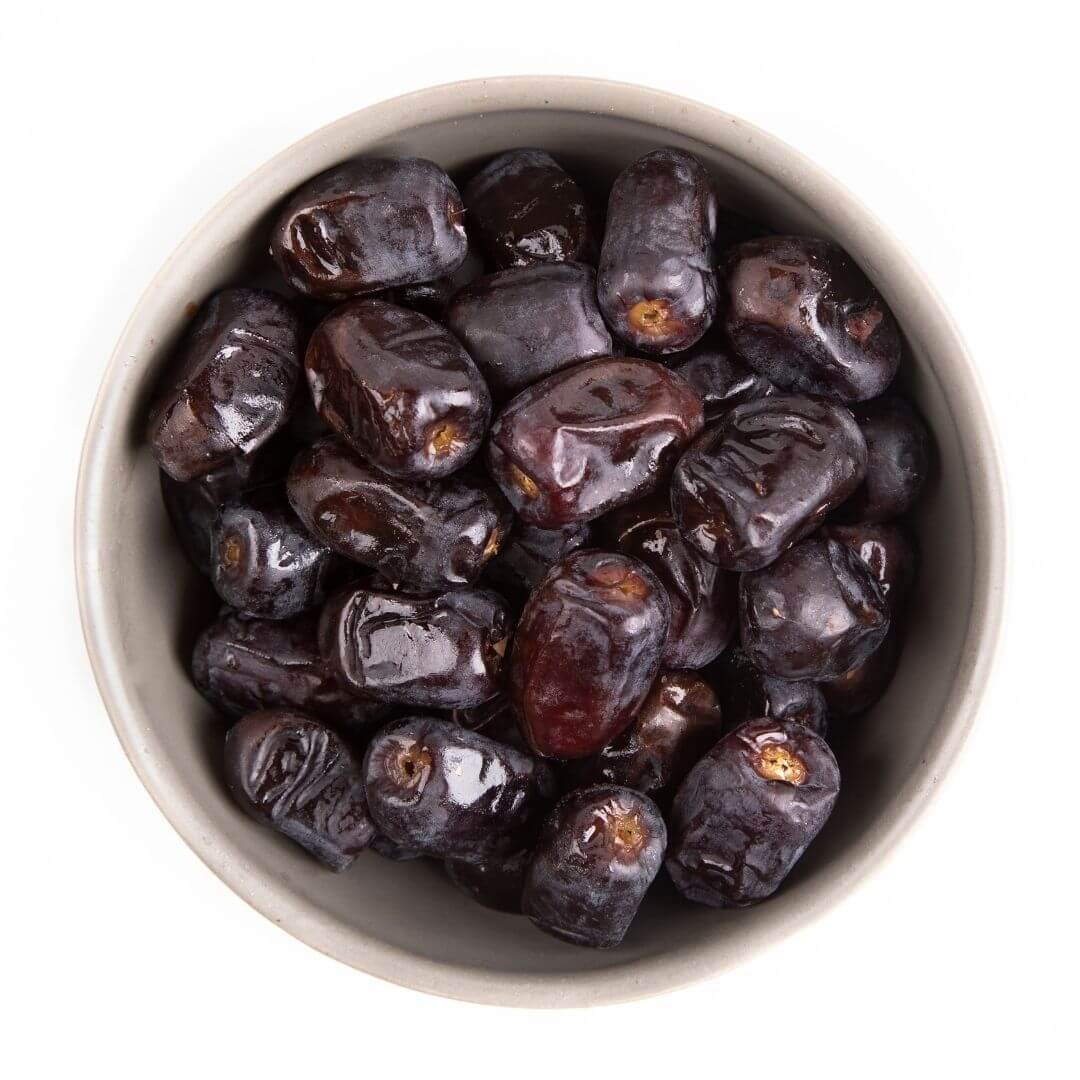
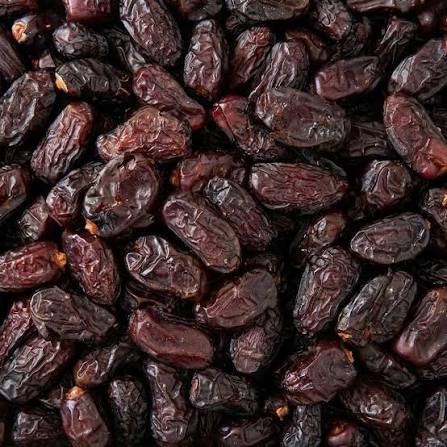
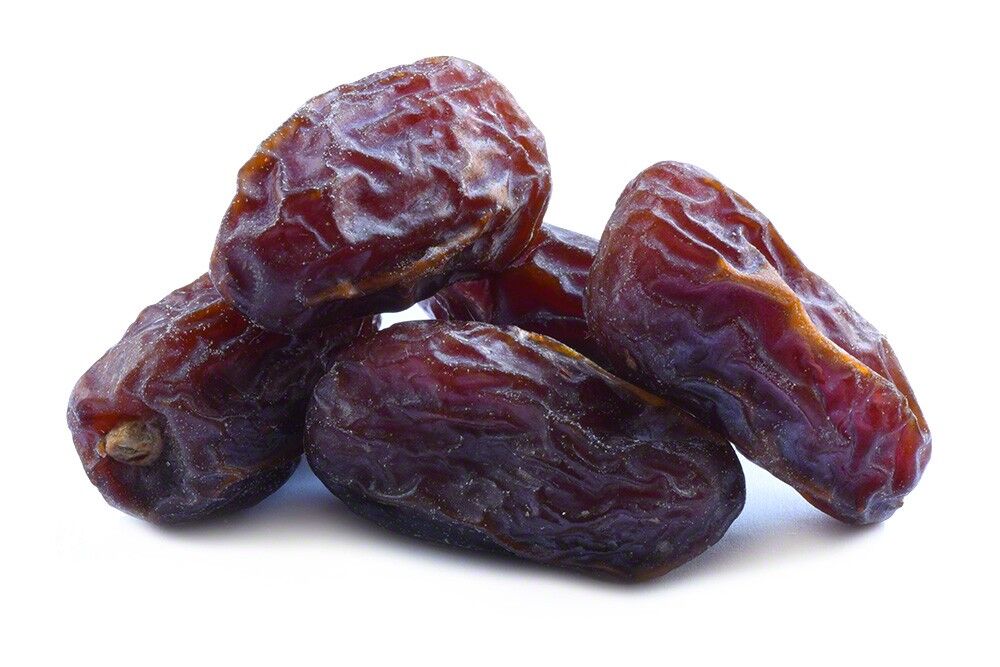
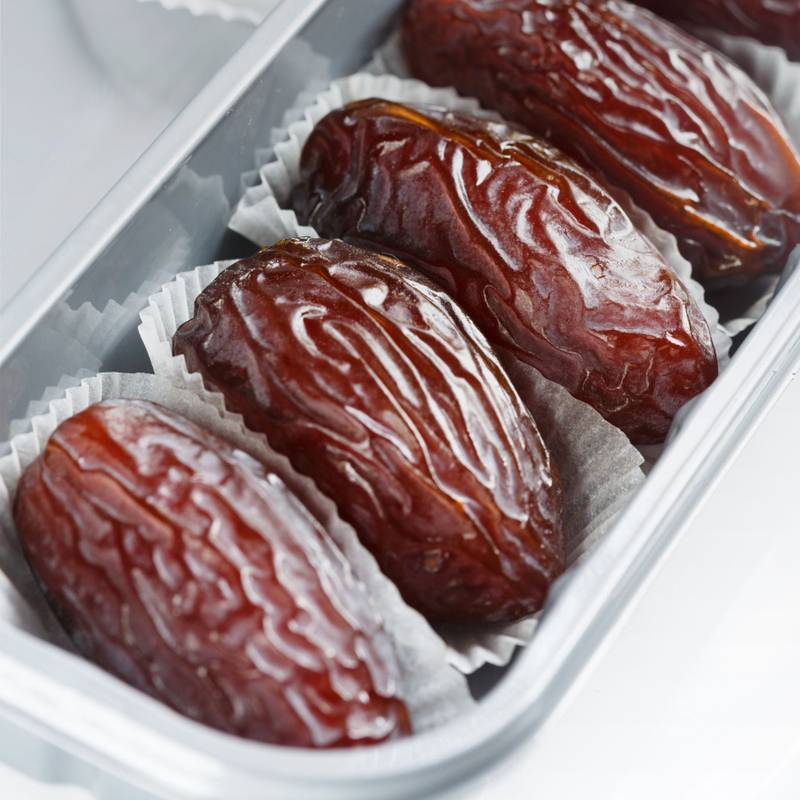
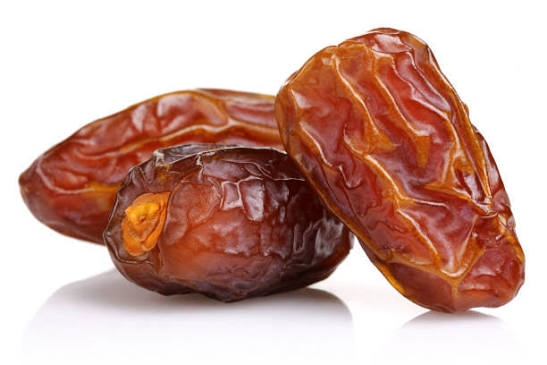
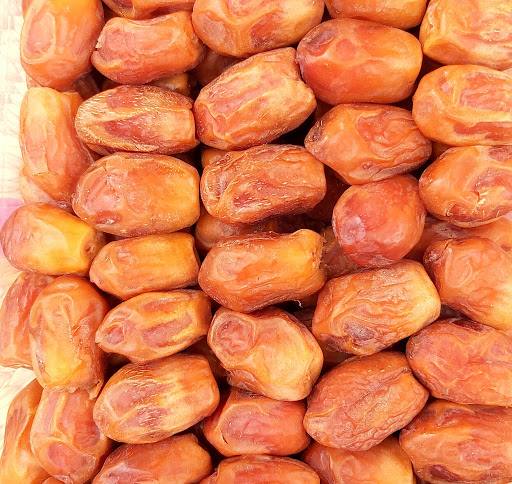
A shipment of dates does not necessarily contain fruits with exactly identical dimensions. Natural agricultural products generally show a certain level of variation, and dates are no exception.
Even when the shipment consists of the same variety, differences can occur because of growing conditions, fruit development, maturity, water availability, cultivation practices, and the position of individual fruits within the bunch.
The purpose of sorting and grading is not necessarily to make every date identical. Instead, the process groups dates into commercially useful categories with relatively similar characteristics.
The Role of Date Variety
One of the first factors affecting date size is the variety itself. Different date varieties naturally develop different fruit shapes, weights, lengths, thicknesses, and textures.
For example, a buyer comparing two different Iranian date varieties should not automatically expect them to follow the same sizing characteristics. Each variety has its own typical physical profile.
Therefore, size specifications should generally be defined in relation to the specific variety being purchased rather than using one universal expectation for all dates.
Natural Variation During Fruit Development
Dates develop under agricultural conditions that are not perfectly identical for every fruit. Differences in exposure, nutrient availability, water availability, and fruit development can contribute to variations in final fruit size.
As a result, two fruits growing within the same general production area may still reach different final weights or dimensions.
Differences Can Occur Even Within the Same Palm
Size variation is not necessarily limited to different farms or different production areas. Individual fruits within the same bunch can also develop differently.
This is one reason why a commercial shipment may contain a range of sizes even when the dates come from the same variety and harvest period.
How Maturity Can Affect Date Size and Appearance
The stage of maturity can influence the physical characteristics of dates. As dates develop and mature, their moisture content, texture, color, and overall appearance can change.
Depending on the variety and processing conditions, differences in maturity can therefore contribute to visible variation within a shipment.
For wholesale buyers, it is important to distinguish between natural size variation and differences that may indicate inconsistent maturity or grading.
How Sorting and Grading Reduce Size Variation
Sorting and grading are important steps in preparing dates for commercial sale. During these processes, dates can be separated according to characteristics such as size, appearance, quality, and other agreed specifications.
A well-defined grading process can reduce the range of sizes within a particular commercial grade. This makes the final product more consistent and easier to use for packaging, distribution, and retail presentation.
How Is Date Size Evaluated?
The method used to describe date size can depend on the variety, market, buyer requirements, and commercial specification. Size may be discussed using measurements such as fruit weight, length, or defined grading categories.
For B2B transactions, the most useful approach is to define the expected characteristics before confirming the order. This helps both the supplier and buyer understand what level of variation is acceptable.
Weight-Based Evaluation
Fruit weight can provide useful information when comparing dates within a shipment. If the buyer has a specific weight range in mind, this requirement can be incorporated into the product specification.
Length and Physical Dimensions
For some commercial applications, the physical dimensions of the fruit can also be relevant. Length and general shape may influence how dates are packed and displayed.
Commercial Grade
Instead of requiring identical dimensions, buyers may specify a particular grade or an acceptable size range. This provides a more practical basis for evaluating a bulk shipment.
Why Is Size Uniformity Important for Wholesale Buyers?
Size uniformity becomes particularly important when dates are purchased for repacking, retail presentation, food manufacturing, or other commercial applications.
- More consistent appearance within retail packages
- More predictable portion sizes
- Easier packaging and presentation
- Better alignment with predefined product specifications
- More consistent commercial positioning
Size Uniformity and Wholesale Pricing
Date size and grading can be among the factors considered when determining the commercial value of a wholesale shipment. However, size should not be evaluated independently from other characteristics such as variety, quality, moisture, appearance, defects, processing, packaging, and market requirements.
For this reason, two shipments of the same variety may have different commercial specifications and therefore different price levels.
Why Can Two Shipments of the Same Variety Have Different Sizes?
Two shipments can contain the same date variety while showing different average sizes. Production conditions, harvest characteristics, maturity, grading criteria, and the specific lot selected for the order can all contribute to differences.
This is particularly relevant when comparing samples from different suppliers. A sample should be evaluated according to its defined specifications rather than assuming that all dates of one variety have identical physical characteristics.
How Should Buyers Check Size Uniformity Before a Bulk Purchase?
For a wholesale purchase, buyers can begin by requesting a representative sample and clearly defining the expected product specifications.
- Confirm the exact date variety.
- Define the expected size or grade.
- Review a representative sample rather than a single fruit.
- Compare several fruits within the sample.
- Check consistency in size, weight, color, and appearance.
- Clarify the acceptable level of natural variation.
- Confirm the agreed specification before finalizing the bulk order.
Size Variation Does Not Always Mean Poor Quality
It is important to distinguish between natural size variation and product quality. A difference in fruit size does not automatically mean that a date is defective or unsuitable.
The commercial suitability of a date depends on the intended application and the agreed specifications. For some markets, a relatively narrow size range may be important, while other applications may allow a wider range.
Therefore, buyers should evaluate size together with the other relevant quality characteristics rather than treating size as the only indicator of product quality.
A Practical Checklist for Evaluating Date Size
- Is the date variety clearly identified?
- Is the requested size or grade clearly defined?
- Does the sample represent the intended bulk shipment?
- Is there excessive variation between individual fruits?
- Are size and weight consistent with the agreed specification?
- Is the appearance reasonably uniform?
- Are grading and sorting requirements clearly communicated?
- Is the acceptable level of variation agreed before shipment?
What Should Be Included in a Wholesale Date Specification?
A clear specification helps prevent misunderstandings between buyers and suppliers. Instead of relying on general descriptions such as “large,” “premium,” or “uniform,” a commercial specification can define measurable or clearly observable characteristics.
- Date variety
- Expected size or grade
- Acceptable size variation
- Appearance and color requirements
- Texture and maturity requirements
- Moisture specification where applicable
- Defect tolerance
- Packaging format
- Net weight per package
- Destination-market requirements
Conclusion
Dates within the same shipment are not always identical in size because dates are agricultural products influenced by variety, growing conditions, fruit development, maturity, harvesting, and grading. Sorting and grading can reduce variation and create more consistent commercial categories, but they do not necessarily make every individual fruit identical.
For wholesale buyers, the most practical approach is to define the desired variety, size or grade, quality characteristics, acceptable variation, and packaging requirements before confirming the order. A representative sample can then be compared with these specifications to provide a clearer basis for evaluating the shipment.
For Wholesale Date Buyers
If you are sourcing Iranian dates in bulk, discussing the exact variety, size, grade, packaging format, and acceptable level of variation before placing an order can help create a clearer and more consistent purchasing specification.
Product specifications and grading criteria may vary depending on the date variety, buyer requirements, contract, and destination market.