

What Is the Difference Between Export-Quality Dates and Dates for the Domestic Market?
Iran is one of the major date-producing countries, with a wide range of commercial date varieties supplied to both domestic and international markets. However, the way dates are selected and prepared for a specific export order can differ from the way similar products are prepared for domestic distribution.
For wholesale buyers, understanding this distinction is important. The term “export-quality” by itself does not describe every technical characteristic of a shipment. A professional bulk order should be defined according to the actual requirements of the buyer and the destination market.
A buyer may require a particular variety, size, appearance, texture, level of uniformity, packaging format, or storage condition. These specifications should be agreed upon before the order is prepared.
What Does “Export-Quality Dates” Actually Mean?
The term “export-quality dates” generally refers to dates that have been selected, sorted, controlled, and prepared according to the requirements of an international buyer or destination market.
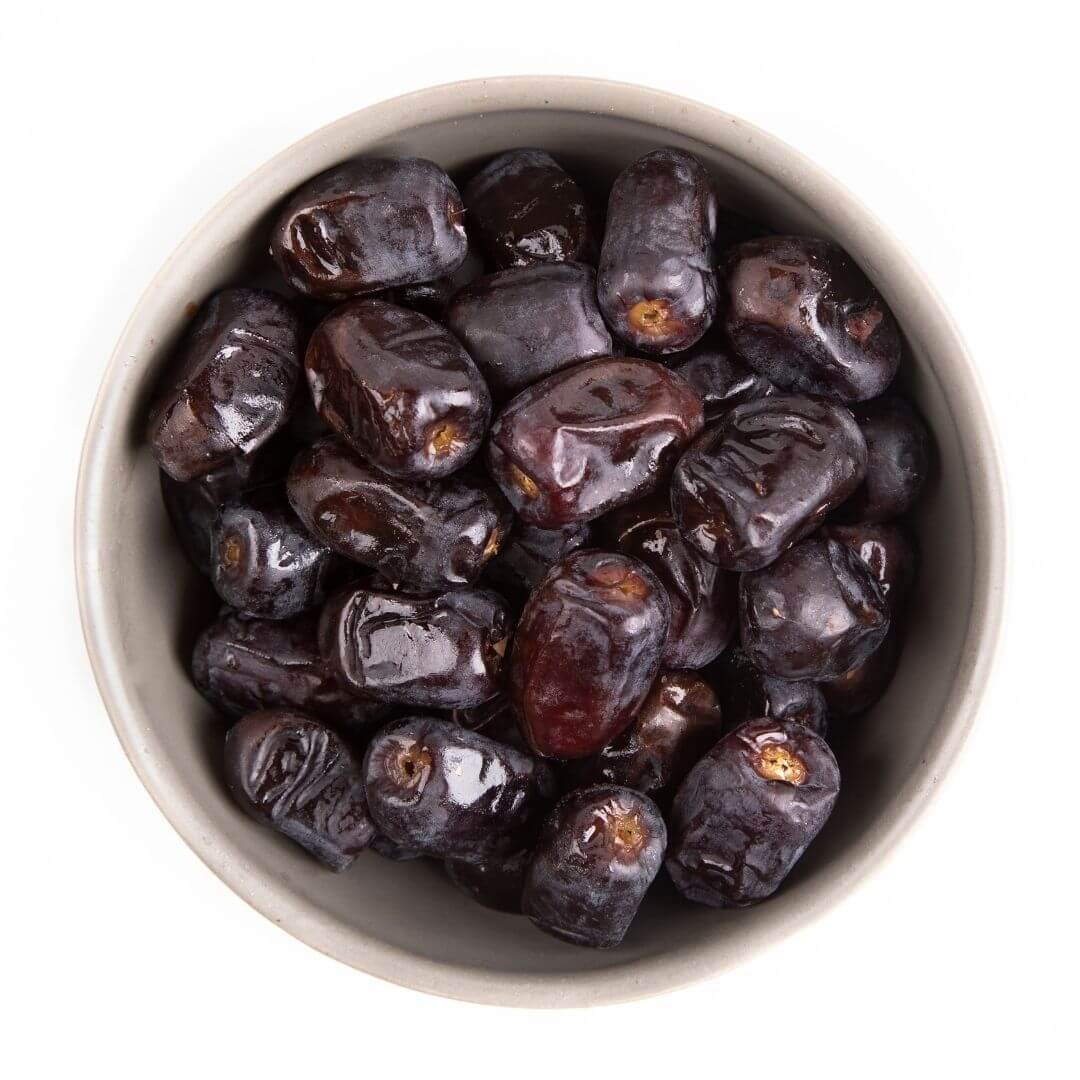
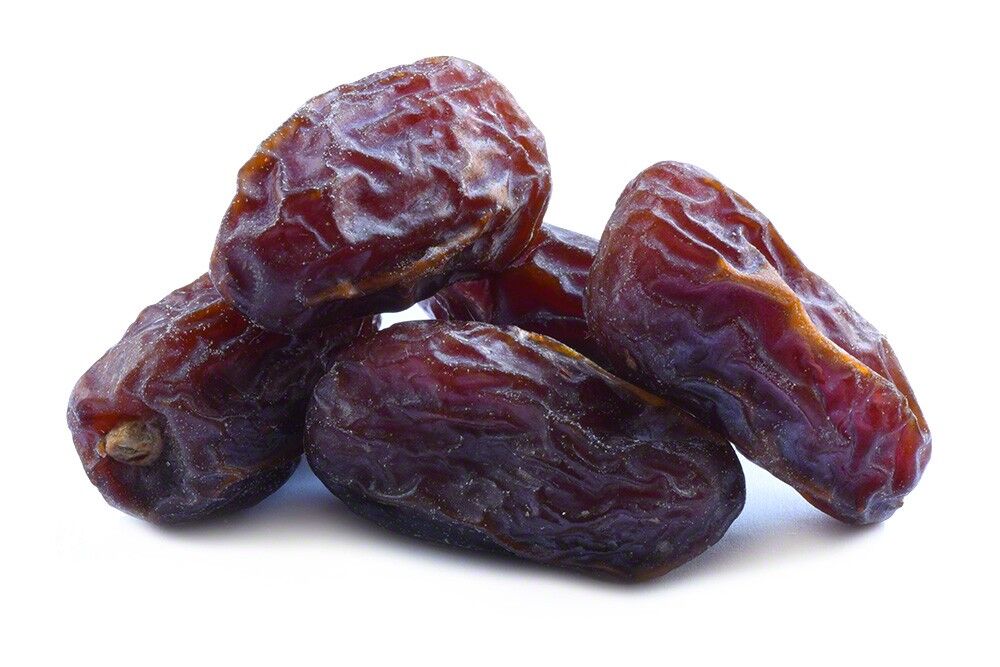
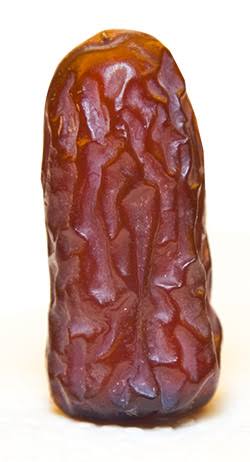
It does not necessarily mean that the dates belong to a special variety that cannot be sold domestically. A variety such as Piarom, Mazafati, Zahedi, Kabkab, Shahani, or other Iranian varieties can potentially be supplied to both domestic and international markets, depending on product specifications.
Important point for bulk buyers: The word “export” should not be treated as a complete quality specification. The actual product characteristics should be clearly defined between the buyer and supplier.
What Are Dates for the Domestic Market?
Dates supplied to the domestic market can also be high-quality products. Their preparation is generally based on the requirements of local wholesalers, retailers, consumers, food businesses, and distribution channels.
Domestic buyers may have different priorities depending on their application. Some may focus on price and bulk availability, while others may require a particular size, texture, appearance, or packaging format.
Therefore, domestic-market dates should not automatically be considered lower quality. Their suitability depends on the intended application and the specifications required by the buyer.
Are Export Dates Always Better Than Domestic Dates?
Not necessarily. “Export-quality” and “domestic-market” describe the intended market and preparation requirements rather than providing a universal ranking of product quality.
For example, a domestic buyer may prefer a particular texture or packaging format, while an international buyer may require tighter size uniformity and specific packaging suitable for long-distance transportation.
Differences in Size and Uniformity
Size and uniformity are important considerations in many wholesale date orders. When dates are prepared for a specific export market, the buyer may request a defined size range or a specific grading system.
Uniformity can refer to the consistency of the dates within a package or shipment in terms of size, appearance, color, and other agreed characteristics.
- Date size and weight
- Uniformity within each package
- Overall visual consistency
- Acceptable level of damaged or non-conforming dates
- Sorting and grading requirements
For importers and distributors, consistent product specifications can make repacking, pricing, inventory management, and retail presentation easier.
Differences in Quality Control
For export orders, quality control is commonly linked to the specifications agreed between the supplier and buyer. Depending on the order, these specifications may cover appearance, size, texture, maturity, defects, uniformity, packaging, and other product characteristics.
For large shipments, evaluating a representative sample can be important. The sample should provide a reasonable indication of the product that will be supplied in the final shipment.
Quality requirements should ideally be defined before the shipment is prepared. Clear specifications make it easier for both the buyer and supplier to understand what is expected.
The Role of Appearance in Export Markets
Appearance can be particularly important when dates are intended for direct retail presentation. Color, shape, size, skin condition, wrinkles, and overall visual consistency can influence how the product is presented in the destination market.
However, appearance requirements should always be considered in relation to the specific date variety. Natural differences in color, skin texture, wrinkles, and shape can occur between varieties and should not automatically be considered quality defects.
Packaging Differences
Packaging is another area where export orders may differ from domestic distribution. The appropriate packaging format depends on the date variety, product condition, shipment size, transportation method, storage requirements, and destination market.
A wholesale shipment may be supplied in larger cartons or bulk packaging, while a retail-oriented order may require smaller consumer packages with specific labeling and presentation.
- Package type and size
- Net weight per package
- Protection during transportation
- Storage requirements
- Destination-market labeling requirements
Transportation and Export Preparation
Dates intended for long-distance transportation need to be selected and packed with the transportation conditions in mind. Transit time, handling, temperature conditions, packaging, and storage arrangements can all influence how a shipment should be prepared.
For this reason, export preparation should not focus only on the condition of the product at the time of loading. The expected condition of the dates after transportation should also be considered.
An export shipment should be prepared for its intended route
Product selection, sorting, packaging, and storage should be considered together with the expected transportation route and delivery conditions.
Can the Same Date Variety Be Sold Domestically and Internationally?
Yes. The same variety can potentially be supplied to both domestic and international markets. What changes may be the selection criteria, grading, sorting, packaging, documentation, and other specifications required for each order.
For example, a particular Iranian date variety may be available in several quality and size grades for the domestic market, while a portion of the same production can be selected and prepared according to the detailed requirements of an international buyer.
What Should Bulk Buyers Check When Sourcing Export Dates?
Bulk buyers should focus on measurable product characteristics rather than relying only on general descriptions such as “premium,” “first grade,” or “export quality.”
- Date variety: Confirm the exact variety required.
- Quality specification: Define the expected quality criteria.
- Size: Specify the required size or grading range where applicable.
- Appearance: Agree on acceptable color, shape, and visible defects.
- Texture: Define the required texture and maturity level.
- Uniformity: Establish the expected consistency within the shipment.
- Sorting: Clarify the sorting and grading requirements.
- Packaging: Define package type, weight, and format.
- Storage: Consider the appropriate storage conditions.
- Transportation: Consider the route and expected transit conditions.
Why Should Product Specifications Be Defined Before Shipment?
In bulk transactions, clearly defined specifications help ensure that the buyer and supplier have the same understanding of the product. This becomes particularly important when the order involves a large volume or a specific destination market.
The agreed specifications may include the variety, grade, size, acceptable defects, packaging, quantity, delivery conditions, and quality-control requirements.
Export Quality Is About Market Requirements
The difference between export-quality dates and dates prepared for the domestic market cannot be defined by a single characteristic such as appearance or price. Export suitability is generally related to how well the product meets the agreed requirements of the destination market.
A date variety that is perfectly suitable for the domestic market may also be suitable for export if its quality, grading, packaging, documentation, and other requirements can be aligned with the destination market.
For bulk buyers, the most useful approach is therefore to evaluate the actual product specifications rather than relying solely on the label “export quality.”
Looking for Iranian Dates for Wholesale Supply?
If you are sourcing Iranian dates for import, wholesale distribution, repacking, retail, or food production, defining the required variety, quality, size, sorting level, packaging, quantity, and delivery conditions can help create a clearer and more efficient bulk order.
Product specifications may vary depending on the date variety, intended application, destination market, transportation conditions, and agreement between the buyer and supplier.