

How to Define the Technical Specifications of a Bulk Date Order?
Buying dates in bulk is different from purchasing a small retail package. In a wholesale transaction, the buyer is not simply choosing a variety of dates. The order usually needs to meet a defined set of technical and commercial requirements.
For importers, wholesalers, distributors, food manufacturers, and repacking companies, these requirements can directly affect the suitability of the shipment for the intended market or application. Therefore, defining the specifications before confirming the order can help both parties work from the same reference.
What Are Technical Specifications in a Bulk Date Order?
Technical specifications are the measurable or clearly describable characteristics that define the product being purchased. For bulk dates, these specifications may cover the variety, origin, size, grade, appearance, moisture level, processing requirements, packaging, quantity, and storage conditions.
The exact specification depends on the buyer's market and intended use. A distributor selling dates directly to consumers may require different specifications from a food manufacturer purchasing dates as a raw material.
1. Specify the Date Variety
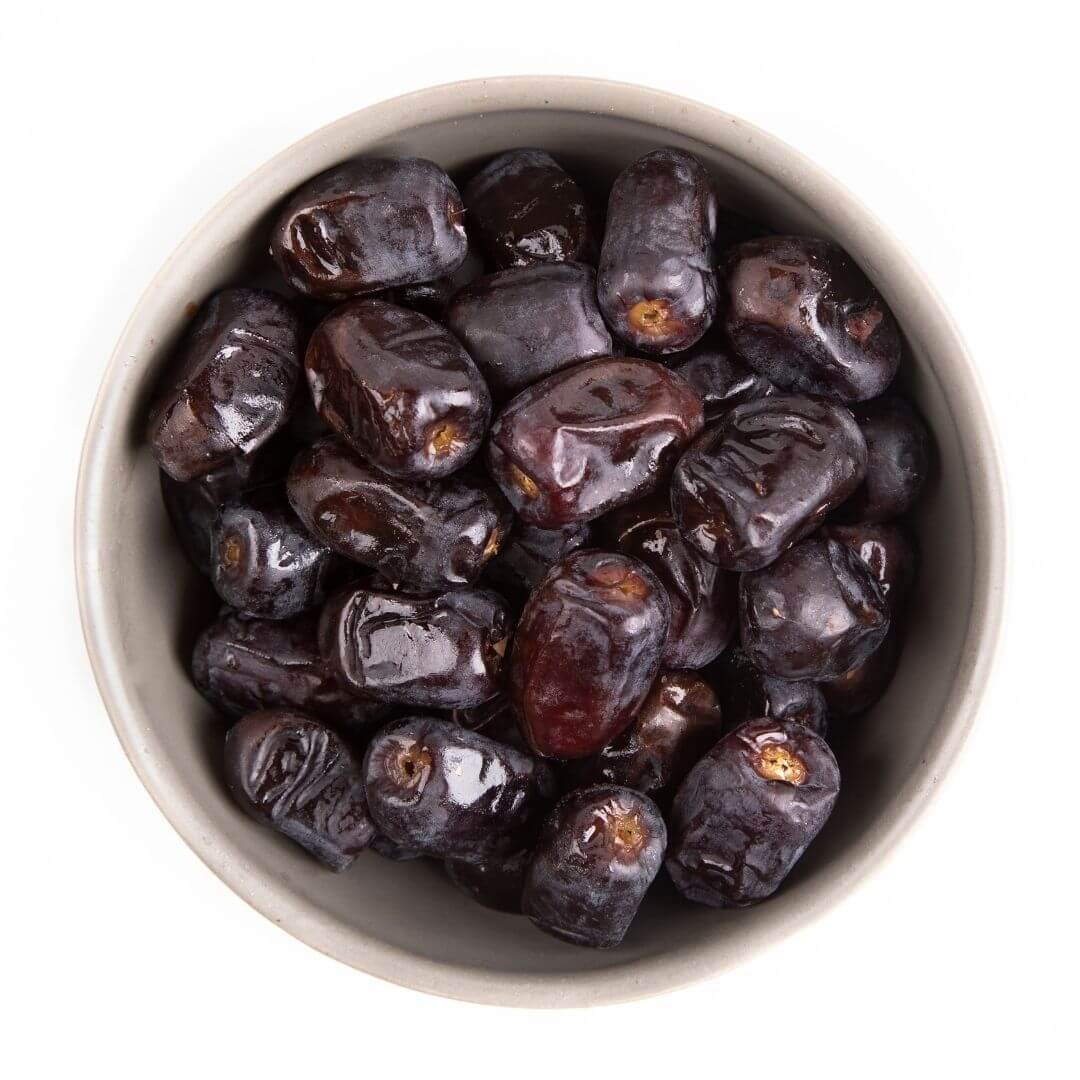
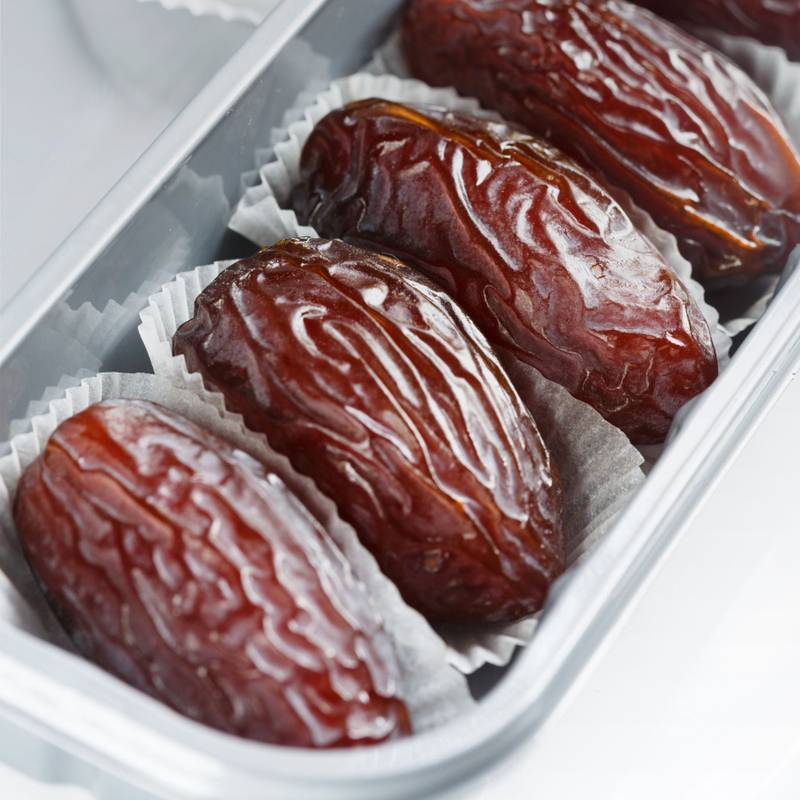
The first specification should normally be the required date variety. Iranian dates are available in different commercial varieties, each with its own characteristics in terms of texture, color, size, moisture, taste, and typical applications.
The buyer should clearly state the required variety rather than using a general term such as "Iranian dates." If more than one variety is acceptable, the acceptable alternatives should also be stated in advance.
- Required date variety
- Country and region of origin, when relevant
- Single-variety or mixed-variety requirement
- Intended use or target market
This is particularly important when the buyer has a specific product profile or an established market that expects a particular variety.
2. Define the Required Size
Date size is another important specification for wholesale orders. Depending on the variety and commercial practice, size may be described using weight, count per kilogram, or an agreed grading system.
If uniformity is important for the buyer's market, the order should specify the acceptable size range rather than simply stating "large" or "medium."
- Target size or grade
- Acceptable size range
- Approximate number of pieces per kilogram, when applicable
- Required level of size uniformity
A clear size specification can make quality inspection and acceptance procedures easier because the supplier has a defined target rather than a subjective description.
3. Define the Grade and Quality Requirements
The term "premium" or "first grade" can mean different things to different buyers. For a professional bulk order, quality should therefore be described using specific characteristics rather than relying only on general commercial terminology.
Depending on the product and market, the specification may address factors such as overall appearance, skin condition, maturity, texture, cleanliness, defects, insect damage, foreign material, and acceptable natural variations.
- Acceptable appearance
- Maximum acceptable defects
- Required cleanliness
- Acceptable color range
- Texture requirements
- Requirements regarding damaged or unsuitable pieces
For international orders, it is useful to agree on these points before the shipment is prepared. This creates a clearer basis for inspection and communication between the buyer and supplier.
4. Specify Moisture and Texture Requirements
Moisture is an important characteristic of dates because it influences texture, softness, storage behavior, handling, and suitability for different applications.
Buyers should communicate whether they require a soft, semi-dry, or dry product and, where appropriate, specify an agreed moisture range based on the product and intended application.
Texture should also be considered. A buyer who needs dates for direct retail sale may have different requirements from a manufacturer using dates for paste, filling, bakery products, energy products, or other food applications.
5. Specify Processing Requirements
Not every bulk date order requires the same level of processing. Depending on the application, the buyer may require dates in their natural form or request additional processing before packing.
For example, a specification may state whether the dates should be supplied whole, pitted, sorted, graded, or prepared according to a particular packing requirement.
- Whole or pitted dates
- Sorting requirements
- Grading requirements
- Cleaning or preparation requirements
- Specific processing requirements for industrial use
Processing requirements should be discussed before the final quotation because additional processing can affect both product specifications and the final commercial terms.
6. Define the Order Quantity
The total quantity should be clearly stated in the purchase specification. Depending on the transaction, quantity may be expressed in kilograms, metric tons, cartons, pallets, or another agreed unit.
It is also useful to clarify whether the stated quantity is the total shipment quantity, net product weight, or another commercial measurement.
7. Define Packaging Specifications
Packaging is an important part of a bulk date specification, particularly when the product is being imported, distributed, or repacked in another country.
The buyer should define the required packaging format before the order is prepared. Depending on the market, this may include bulk cartons, food-grade bags, vacuum packaging, retail-ready packaging, or another agreed format.
- Packaging type and material
- Net weight per package
- Number of packages per carton, when applicable
- Carton dimensions, if required
- Labeling requirements
- Lot or batch identification
- Palletization requirements
Packaging should be selected according to the product characteristics, transportation method, storage conditions, and requirements of the destination market.
8. Include Storage and Handling Requirements
Storage and handling conditions can influence the condition of dates after packing and during transportation. For this reason, the order specification can include agreed storage and handling requirements where they are relevant to the product.
The specification may cover recommended temperature conditions, protection from excessive heat or moisture, handling procedures, and other requirements appropriate to the product.
These requirements become particularly relevant when the shipment will travel long distances or pass through different climatic conditions before reaching its final destination.
9. Consider Destination-Market Requirements
A bulk date order should also take into account the requirements of the destination market. Importers may have specific requirements regarding labeling, documentation, packaging, food safety, permitted materials, product identification, or other import conditions.
These requirements can vary between countries and markets. Therefore, the buyer should communicate any destination-specific requirements to the supplier before the order is finalized.
10. Create a Clear Product Specification Sheet
After the main requirements have been discussed, the buyer and supplier can organize them into a simple product specification sheet. This document can serve as a common reference throughout quotation, order confirmation, quality control, packing, and shipment.
| Specification | Example Requirement |
|---|---|
| Variety | Specified Iranian date variety |
| Size | Agreed size or count range |
| Grade | Defined quality criteria |
| Moisture | Agreed range where applicable |
| Processing | Whole / pitted / sorted / graded |
| Quantity | Agreed total net quantity |
| Packaging | Agreed package type and weight |
| Destination | Target country and market requirements |
Why a Detailed Specification Matters
A detailed specification provides a common technical reference for the buyer and supplier. Instead of relying on general descriptions such as "high quality," "large size," or "premium dates," the parties can define the characteristics that are actually required.
This can make communication more efficient and can help reduce misunderstandings during sorting, packing, inspection, and shipment preparation.
For recurring wholesale orders, maintaining a consistent specification can also make it easier to compare future shipments with previously agreed product requirements.
A Practical Checklist for Bulk Date Buyers
- Define the exact date variety.
- Specify the country or region of origin when required.
- Define the target size or count range.
- Describe the required grade and acceptable defects.
- Specify moisture and texture requirements where applicable.
- State whether the dates should be whole or pitted.
- Define sorting and grading requirements.
- Confirm the total order quantity.
- Specify packaging type and net weight.
- Confirm labeling and batch identification requirements.
- Communicate storage and handling requirements.
- Identify destination-market requirements before shipment.
- Record the agreed specifications in writing.
A successful bulk date order starts with a clear specification. Variety, size, grade, moisture, processing, quantity, packaging, storage, and destination requirements should be discussed before the order is finalized. For international buyers, a written specification sheet provides a practical reference for both sides and helps ensure that the supplied product matches the agreed commercial requirements.
If you are planning a bulk purchase of Iranian dates, defining your technical requirements in advance can make the quotation and order process more precise. Share your required variety, quantity, packaging, target market, and quality specifications with the supplier so the appropriate product can be discussed before shipment.
Specifications may vary according to date variety, intended application, destination market, and buyer requirements. Final product specifications should be agreed between the buyer and supplier before order confirmation.