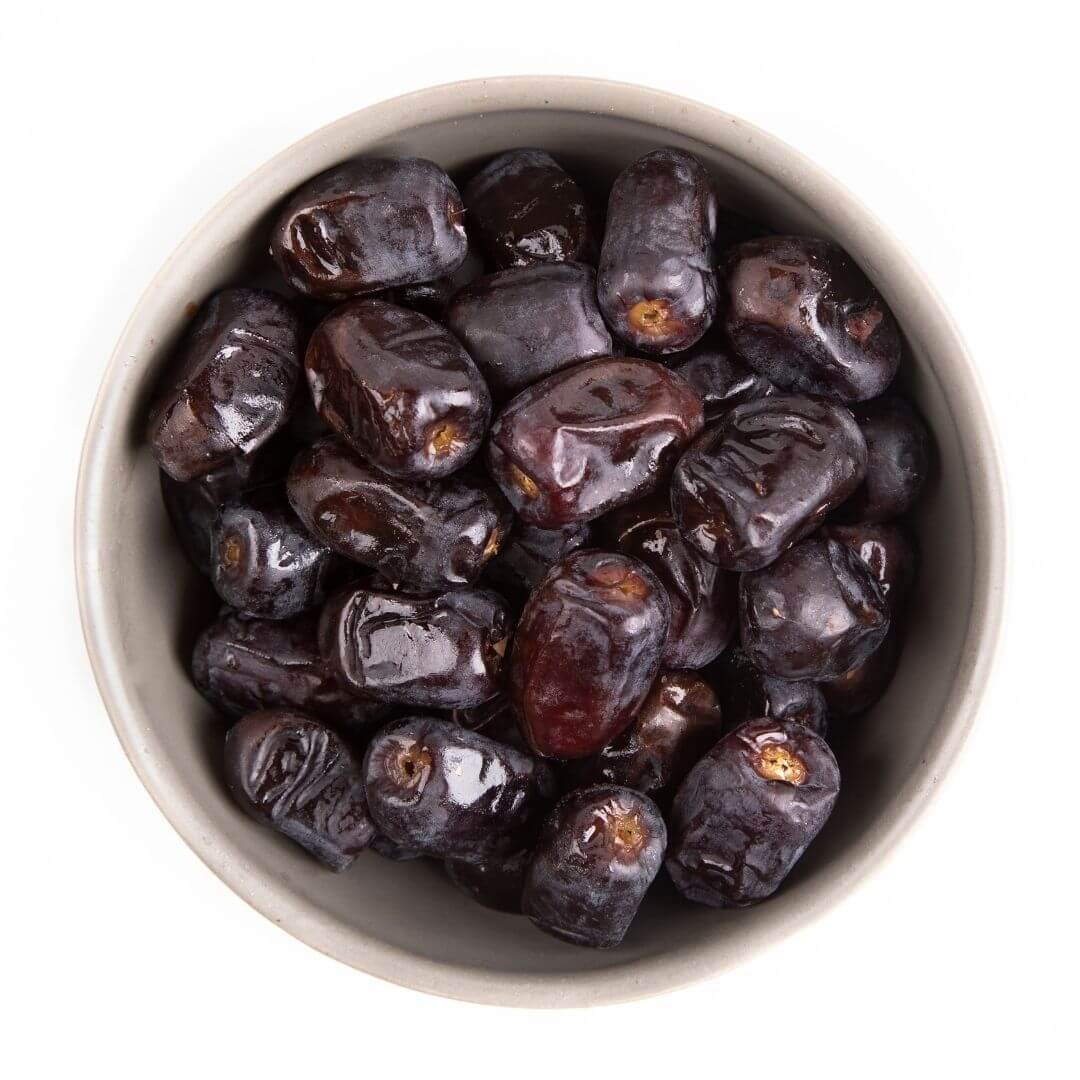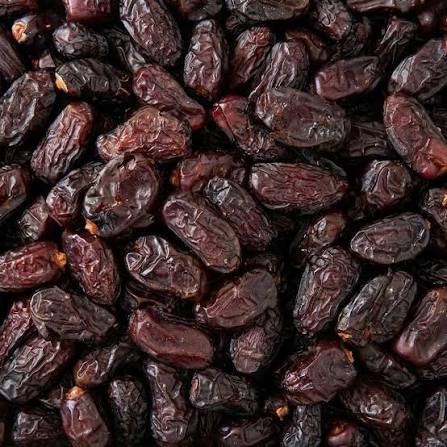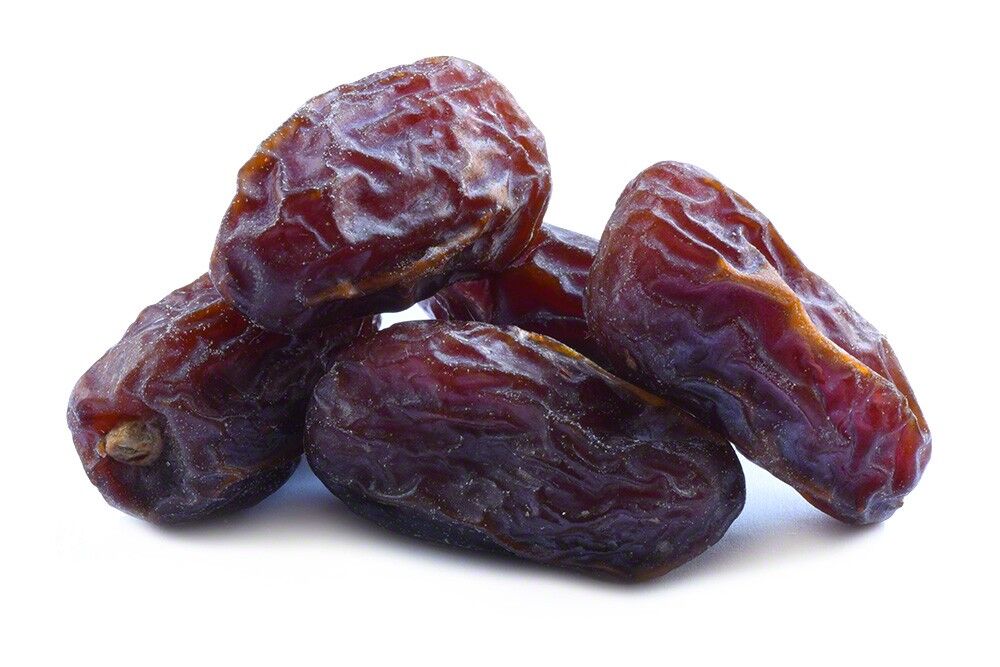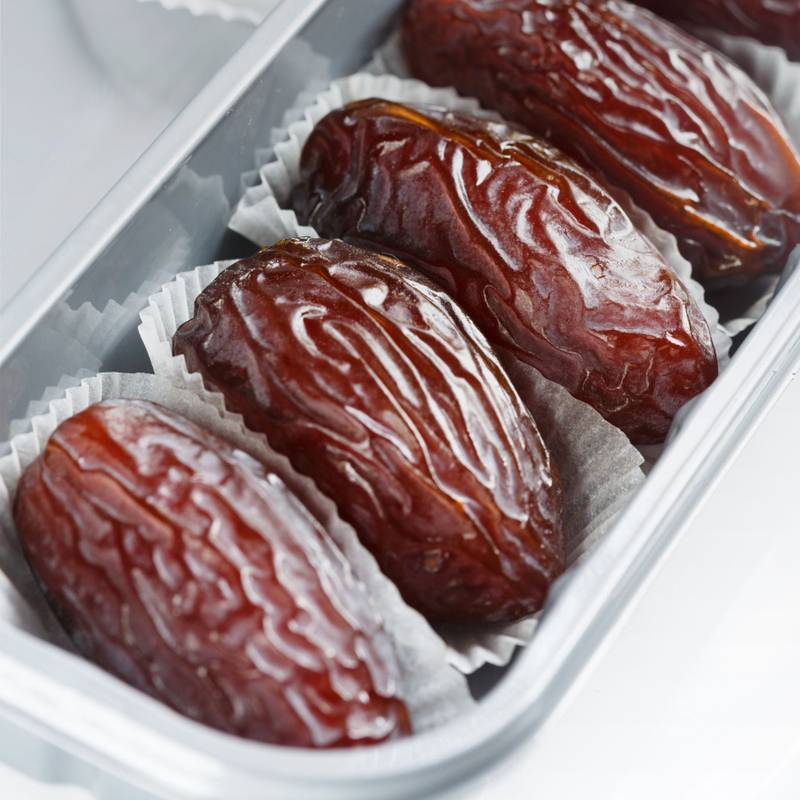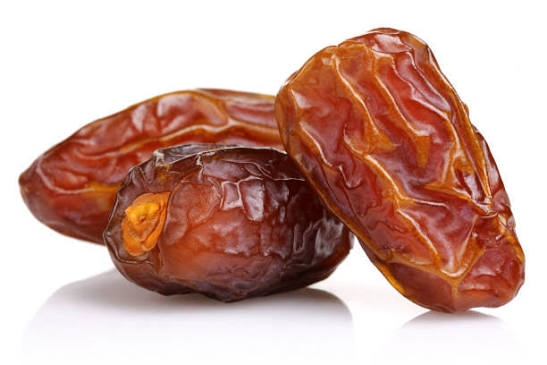


Why Does Date Skin Separate from the Flesh? Scientific and Commercial Factors Affecting Date Quality
Dates are natural agricultural products whose physical characteristics can change throughout harvesting, processing, storage, transportation, and distribution. One of the visible changes that buyers may notice is the separation of the outer skin from the flesh.
In some cases, the skin may appear slightly loose or separated from the flesh without indicating a serious quality problem. In other cases, significant separation may be associated with changes in moisture, excessive temperature variation, mechanical pressure, or unsuitable storage conditions.
For wholesalers, importers, distributors, food manufacturers, and other professional buyers, the important point is not simply whether the skin has separated. The more useful question is why the separation occurred and whether it affects the commercial requirements of the product.
Understanding the Structure of a Date
A date fruit consists of several structural components, including the outer skin and the edible flesh beneath it. The relationship between these components can change as the fruit develops and ripens.
During ripening, biochemical and physical changes occur inside the fruit. Moisture distribution, texture, sugar concentration, and tissue firmness can all change. These processes can influence how closely the skin remains attached to the flesh.
Important: Skin separation should not be evaluated as an isolated quality indicator. A professional quality assessment should consider the overall condition of the fruit, including texture, appearance, odor, moisture, cleanliness, and consistency within the shipment.
1. Ripening Stage
One of the important factors affecting the relationship between the skin and flesh is the stage of ripening. Dates do not remain physically unchanged as they progress from earlier stages of development toward full maturity.
As the fruit matures, its flesh can become softer and its internal structure can change. At the same time, the skin may become less tightly attached in certain varieties or under certain conditions.
Therefore, a small degree of skin separation may be a natural characteristic of particular dates rather than evidence of poor handling or deterioration.
2. Moisture Content and Moisture Changes
Moisture plays an important role in the physical characteristics of dates. Changes in moisture can influence flesh firmness, surface appearance, and the relationship between the skin and the underlying flesh.
If dates lose or gain moisture during storage or transportation, their texture may change. Depending on the variety and the original condition of the fruit, these changes may make the skin appear looser or more separated from the flesh.
For bulk buyers, this is one reason why moisture consistency should be considered when evaluating a shipment rather than relying only on external appearance.
3. Temperature Fluctuations
Temperature can affect the physical condition of dates during storage and transportation. Significant or repeated temperature changes may influence moisture movement and texture.
When dates are exposed to unsuitable temperature conditions, changes in texture may become more noticeable. In some situations, this can contribute to visible separation between the skin and flesh.
For this reason, maintaining appropriate and relatively stable storage conditions is an important part of preserving the commercial appearance and physical quality of bulk dates.
For professional buyers: When evaluating a shipment, it is useful to consider not only the condition of the dates at the time of inspection, but also the expected storage and transportation conditions throughout the supply chain.
4. Natural Differences Between Date Varieties
Not all date varieties have the same skin structure, flesh firmness, moisture level, or ripening behavior. These natural differences can influence how firmly the skin remains attached to the flesh.
Some varieties naturally have a more noticeable skin texture, while others may have a softer flesh and a different relationship between the outer skin and inner tissue.
As a result, comparing skin separation between two different varieties may not provide a reliable indication of which one has better quality. Quality should be assessed according to the characteristics and specifications appropriate for that particular variety and market.
5. Handling and Mechanical Pressure
Dates can be exposed to mechanical pressure during harvesting, sorting, packing, loading, transportation, and unloading. Because dates differ in firmness, excessive pressure may affect their external appearance.
Repeated compression or rough handling may contribute to changes in the surface of the fruit. In some cases, the skin may appear less firmly attached to the flesh after mechanical stress.
This is particularly relevant for bulk shipments because the product may pass through several stages of handling before reaching the final buyer.
6. Processing and Preparation
Commercial dates may undergo several preparation steps before being supplied to a buyer. These may include cleaning, sorting, grading, packing, pitting, or other handling operations depending on the product specification.
The way these operations are performed can influence the external appearance of the fruit. Mechanical contact, pressure, movement, and changes in environmental conditions during processing may contribute to visible changes in the skin.
Professional processing therefore requires appropriate handling practices that protect the physical integrity of the product while maintaining the required commercial specifications.
7. Storage Conditions
Storage conditions can influence the appearance and texture of dates over time. Temperature, humidity, ventilation, packaging, and the duration of storage all need to be considered as part of an overall storage system.
Poorly controlled conditions may accelerate undesirable physical changes. However, the presence of some skin separation does not automatically mean that the product has been stored incorrectly.
Does Skin Separation Mean That Dates Are Spoiled?
Not necessarily. Skin separation by itself is not sufficient to classify dates as spoiled or unsuitable for consumption.
A proper evaluation should consider several characteristics together. These may include abnormal odor, visible mold, unusual discoloration, excessive softness, fermentation-related changes, contamination, and other signs that may indicate deterioration.
What Should Buyers Check?
- Overall appearance of the fruit
- Consistency of skin and flesh
- Texture and firmness
- Moisture consistency
- Presence of unusual odors
- Visible mold or contamination
- Uniformity across the shipment
- Condition of packaging and handling
Why Does Skin Condition Matter in Bulk Date Purchasing?
For consumers buying a small quantity of dates, minor differences in skin appearance may not be particularly important. For professional buyers, however, appearance can become a commercial consideration because the product may be resold, repacked, processed, or supplied to another business.
Importers, wholesalers, distributors, retailers, and food manufacturers may have different requirements regarding appearance, texture, size, uniformity, and processing condition.
Therefore, skin separation should be evaluated in relation to the buyer's intended application and agreed product specifications rather than treated as a universal indicator of quality.
How Should Bulk Buyers Evaluate Skin Separation?
When purchasing dates in bulk, buyers should evaluate representative samples rather than judging the entire shipment based on a few individual fruits.
A representative sample can provide a better understanding of the overall consistency of the shipment, including the percentage of dates showing visible skin separation and whether this characteristic is within the agreed commercial specification.
For larger commercial orders, it is useful to define product requirements before shipment. Specifications can cover variety, size, moisture range, appearance, processing condition, packaging, tolerance levels, and other characteristics relevant to the target market.
Commercial consideration: The acceptable level of skin separation can depend on the destination market, product grade, packaging format, intended use, and buyer expectations. A specification agreed in advance helps reduce misunderstandings between suppliers and buyers.
Natural Appearance vs. Quality Deterioration
One of the most important points when evaluating date skin separation is distinguishing between a natural physical characteristic and a sign of deterioration.
A naturally occurring difference in skin attachment may be acceptable for a particular variety and application. By contrast, skin changes accompanied by abnormal odor, mold, severe texture deterioration, contamination, or other undesirable characteristics require closer investigation.
This is why experienced bulk buyers generally evaluate several quality parameters together instead of relying on one visual characteristic.
What This Means for Importers and Wholesalers
For international buyers and wholesale customers, understanding the reasons behind skin separation can make product evaluation more accurate and practical.
Instead of automatically considering separated skin a defect, buyers should evaluate the characteristic within the context of the date variety, maturity, moisture level, handling history, storage conditions, and intended market.
Clear communication with the supplier is also important. If the appearance of the skin is commercially important, the expected condition should be included in the product specifications and discussed during the sampling and approval process.
Conclusion
Date skin separation can result from several natural and commercial factors. Ripening stage, moisture changes, temperature fluctuations, variety characteristics, mechanical handling, processing, and storage conditions can all influence the relationship between the skin and flesh.
Importantly, skin separation alone should not be treated as proof of poor quality or spoilage. A more reliable evaluation considers the complete condition of the fruit and compares it with the specifications required for the intended market.
For bulk date purchasing, representative sampling, clear specifications, consistent quality control, and communication with the supplier are essential for making an informed commercial decision.
Looking for Bulk Iranian Dates?
If you are looking for Iranian dates for wholesale, import, distribution, repacking, or food production, contact Mia to discuss your product requirements and bulk order needs.
Contact MiaProduct characteristics may vary according to date variety, harvest conditions, processing methods, storage conditions, and commercial specifications.