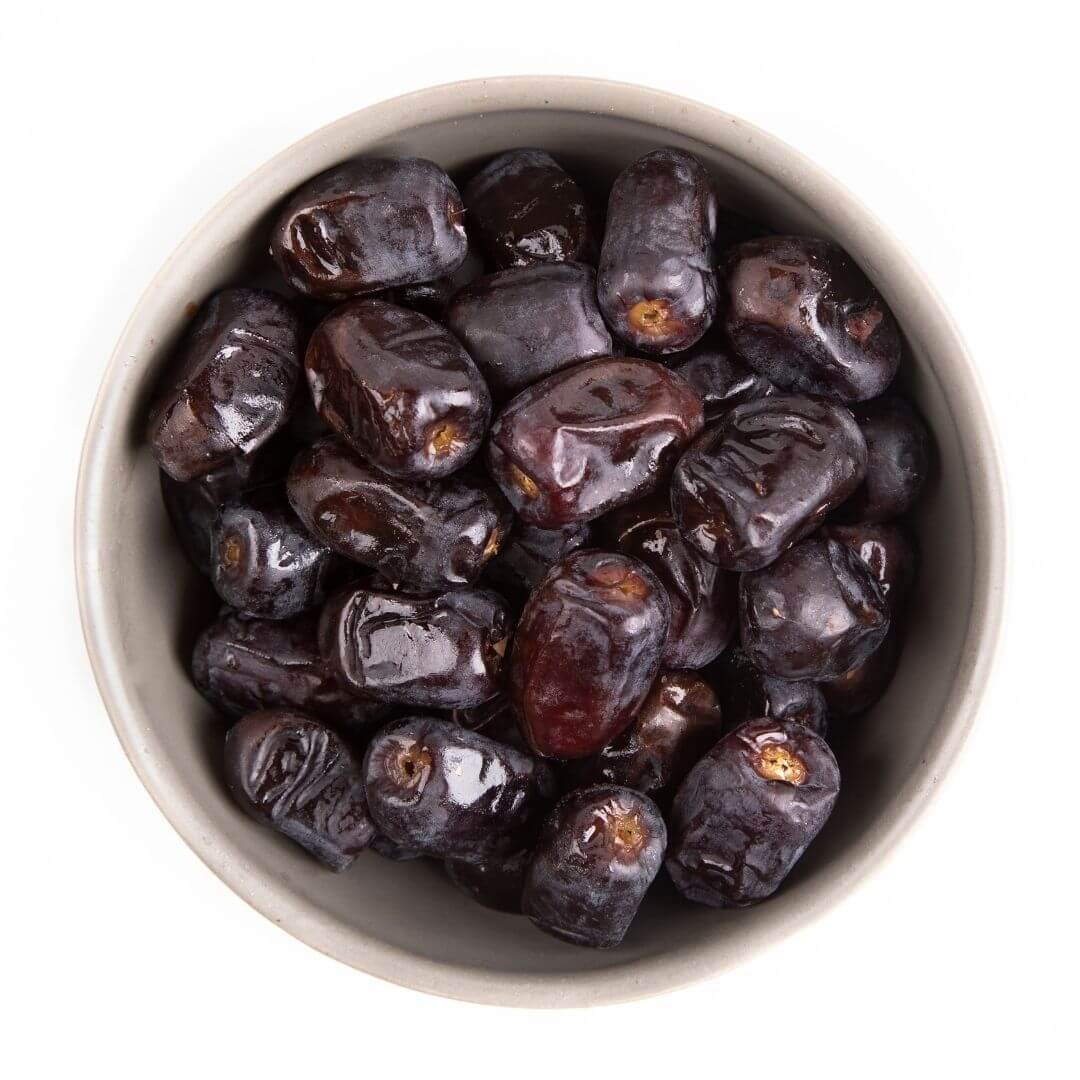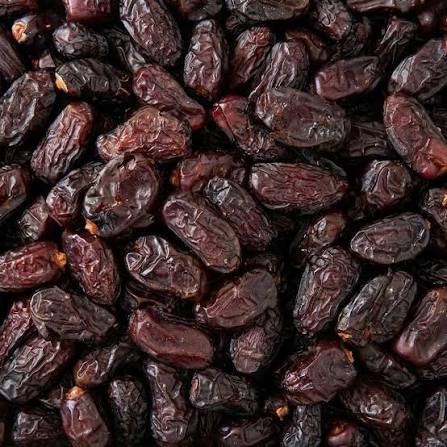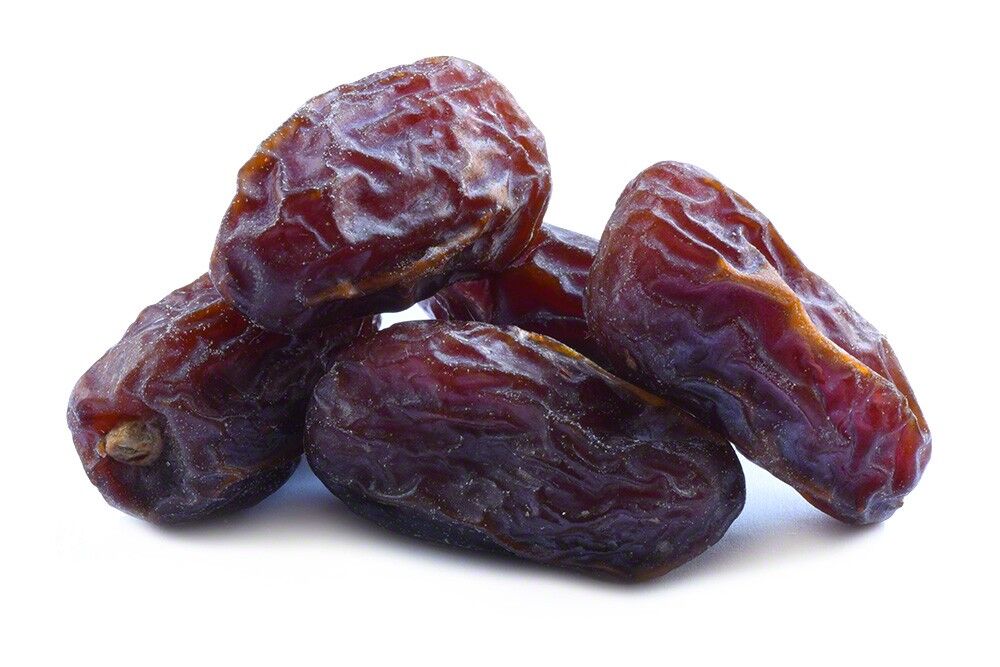


Why Does the Color of Dates Change During Storage? Factors Affecting Date Color
Dates are natural agricultural products, and their appearance may continue to change after harvesting. One of the most noticeable changes that buyers may observe during storage is a change in the color of the fruit.
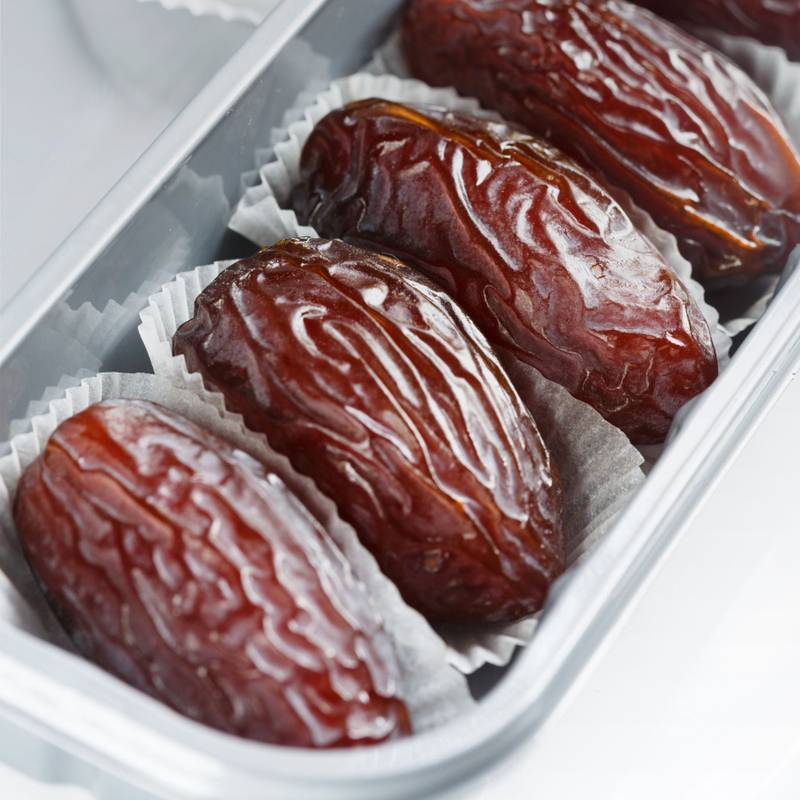
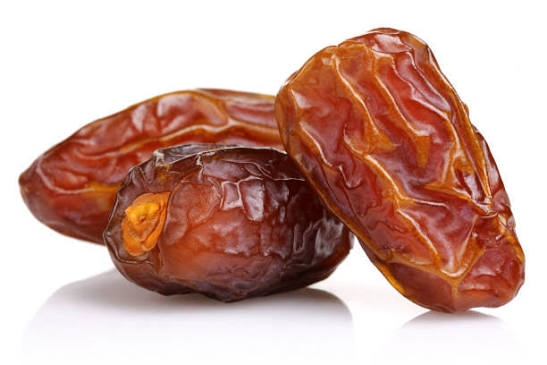
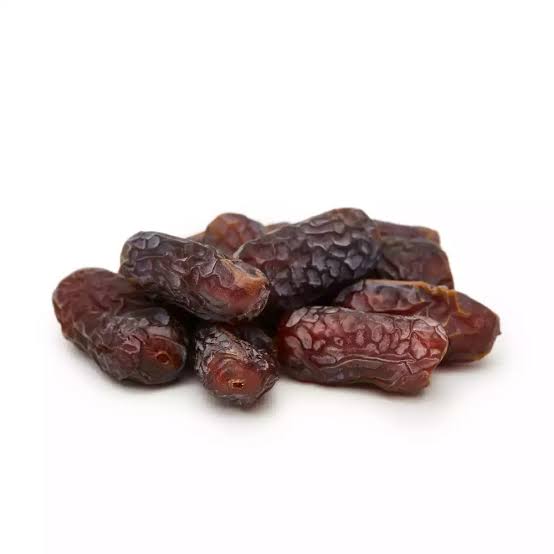
Depending on the variety and storage conditions, dates may gradually become darker or develop subtle changes in their surface color. In some shipments, differences in color between individual fruits may also become more visible over time.
For wholesalers, importers, distributors, repackers, and food manufacturers, understanding the causes of color changes is important because color is one of the first visual characteristics considered when evaluating the appearance and commercial quality of dates.
How Is the Color of a Date Determined?
The natural color of a date is influenced by the characteristics of the fruit, including compounds present in the skin and flesh, the stage of ripening, and growing conditions. This is why different date varieties naturally have different colors and color ranges.
As dates mature, changes occur in their internal composition and tissue structure. These natural processes can influence the color of the skin and the overall appearance of the fruit.
Important: Date quality should not be evaluated based on color alone. Color should be considered together with texture, moisture, odor, skin condition, cleanliness, and overall shipment uniformity.
1. Continued Ripening After Harvest
One factor that can influence date color is the stage of ripening. Dates undergo natural changes as they progress toward maturity, and these changes can affect both the texture and appearance of the fruit.
The extent of these changes depends on the variety and the condition of the dates at harvest and during subsequent handling. Dates that enter storage at different stages of maturity may therefore show different color behavior over time.
2. The Effect of Storage Temperature
Temperature is an important environmental factor in food storage. Storage temperature can influence the rate of physical and chemical changes that occur in dates over time.
Exposure to unsuitable temperatures or repeated temperature fluctuations may affect the texture and appearance of dates and can make color changes more noticeable under certain conditions.
For this reason, appropriate temperature management throughout storage and transportation is particularly important for bulk shipments and products that remain in storage for extended periods.
3. The Role of Moisture in Date Color
Moisture is another important factor affecting the storage condition of dates. Changes in moisture can influence the texture and surface appearance of the fruit and may consequently affect how its color is perceived.
Dates that lose part of their moisture may develop a different surface and texture compared with their initial condition. On the other hand, unsuitable moisture conditions can also affect the overall appearance of the product.
For bulk buyers, consistency in moisture across a shipment is important because significant differences in moisture condition may result in differences in the appearance and texture of individual fruits.
For bulk buyers: Color changes should be evaluated together with moisture and texture. A minor color difference, without other undesirable characteristics, does not necessarily indicate a quality problem.
4. Oxygen Exposure and Oxidation
Exposure to oxygen can contribute to oxidation reactions in food products. In plant-based products, these reactions may affect certain visual characteristics, including color, over time.
The extent of such changes depends on several factors, including the type of date, product condition, storage environment, exposure duration, and other surrounding conditions.
Packaging and appropriate storage conditions can therefore play a role in helping maintain the desired appearance of dates throughout the supply chain.
5. Storage Duration
The longer dates remain in storage, the more time there is for natural and environmental changes to occur. Like many agricultural products, dates may gradually change in appearance and texture during storage.
This does not mean that dates automatically lose their quality after a specific period. The variety, initial product condition, storage environment, and required commercial specifications all need to be considered.
When planning a bulk date purchase, the expected storage period should therefore be considered alongside the product specifications and intended market.
6. Natural Differences Between Date Varieties
Not all date varieties behave in the same way during storage. Each variety has its own natural characteristics in terms of color, texture, moisture, skin structure, and composition.
As a result, a color change that is normal or expected in one variety may not necessarily be representative of another variety.
For bulk purchasing, date color should therefore be evaluated within the context of the specific variety and the agreed commercial specifications rather than by directly comparing different varieties.
7. Warehouse and Storage Conditions
Overall warehouse conditions can also affect the appearance of dates. Temperature, ambient humidity, ventilation, packaging, storage duration, and product arrangement should all be considered as part of an appropriate storage system.
When environmental conditions are poorly controlled, visible changes in the product may become more noticeable. Proper storage therefore involves more than simply choosing a suitable temperature.
Does a Change in Date Color Always Mean Spoilage?
No. A change in color alone is not sufficient to determine whether dates have spoiled. Some color changes can be part of natural ripening or normal changes that occur during storage.
A proper quality assessment should consider several characteristics together. Abnormal odors, visible mold, contamination, severe texture changes, unusual moisture conditions, or other undesirable characteristics may be more significant indicators of a quality issue.
What Should Be Checked Alongside Date Color?
- Color uniformity throughout the shipment
- Texture and firmness
- Condition of the date skin
- Moisture consistency
- Natural odor of the product
- Presence or absence of mold and contamination
- Overall appearance and physical condition
- Packaging and storage conditions
Why Does Color Matter in Bulk Date Purchasing?
For consumers, a minor difference in color may not be particularly important. In commercial bulk transactions, however, product appearance and color uniformity can be part of the agreed specifications.
Importers, distributors, repackers, wholesalers, and exporters may have specific requirements regarding the appearance of dates. These requirements can depend on the target market, packaging format, product grade, and intended application.
For this reason, the expected appearance and acceptable degree of color variation should ideally be discussed before finalizing a bulk order.
How Can Unwanted Color Changes Be Minimized?
Maintaining the desired appearance of dates requires storage conditions that are appropriate for the specific product. An important principle is to avoid unsuitable environmental conditions and significant fluctuations.
Appropriate management of temperature and moisture, suitable packaging, careful handling, and proper warehouse practices can help preserve the physical characteristics of dates during storage.
For bulk shipments, storage conditions should also be considered throughout the supply chain, from preparation and loading to transportation and final delivery, because changes at any stage can influence the final condition of the product.
Commercial consideration: The goal of proper storage is not simply to prevent color changes. It is to preserve the overall characteristics of the product, including appearance, texture, moisture, and consistency according to the requirements of the target market.
Why Is Color Uniformity Important Within a Bulk Shipment?
In a bulk transaction, buyers may receive large quantities of dates intended for repacking, distribution, processing, or resale. Significant differences in color between individual fruits can therefore influence the visual appearance of the final product.
The acceptable level of color uniformity depends on the date variety and intended application. Some markets may accept natural variation, while others may require a more consistent visual appearance.
The Importance of Sampling Before Bulk Purchasing
One practical way to evaluate the color condition of a bulk date shipment is to inspect a representative sample. The sample should provide a reasonable indication of the overall appearance and consistency of the shipment.
Rather than evaluating only one or two individual dates, examining a broader sample can provide a better understanding of color variation, texture, and overall product consistency.
For larger commercial orders, defining the expected product characteristics before purchase can help reduce disagreements regarding appearance and quality at the time of delivery.
Natural Color Change or Potential Quality Issue?
One of the most important points when evaluating color changes is to distinguish natural product variation from signs of quality deterioration. Not every color change indicates a problem.
For a more accurate assessment, color should be evaluated together with the other physical and sensory characteristics of the dates. If color changes occur alongside other abnormal characteristics, further inspection may be necessary.
On the other hand, if the color change is minor and the other product characteristics remain within the expected range, it would not be appropriate to judge the dates as unsuitable based on color alone.
Conclusion
Date color can change during storage due to a combination of natural and environmental factors. Ripening stage, temperature, moisture, oxygen exposure, storage duration, warehouse conditions, and the natural characteristics of the date variety can all influence the appearance of the product.
Color alone is not sufficient to determine date quality. A professional evaluation should consider color together with texture, moisture, odor, skin condition, cleanliness, uniformity, and other relevant product specifications.
For bulk date buyers, representative sampling, clear product specifications, and appropriate storage conditions can help support better purchasing decisions and reduce quality-related misunderstandings during commercial transactions.
Bulk Iranian Dates
If you are looking for Iranian dates for wholesale, export, repacking, distribution, or food production, contact Mia to discuss your product requirements and bulk order needs.
Contact MiaDate characteristics may vary according to variety, harvest conditions, product condition, processing methods, storage conditions, and commercial specifications.