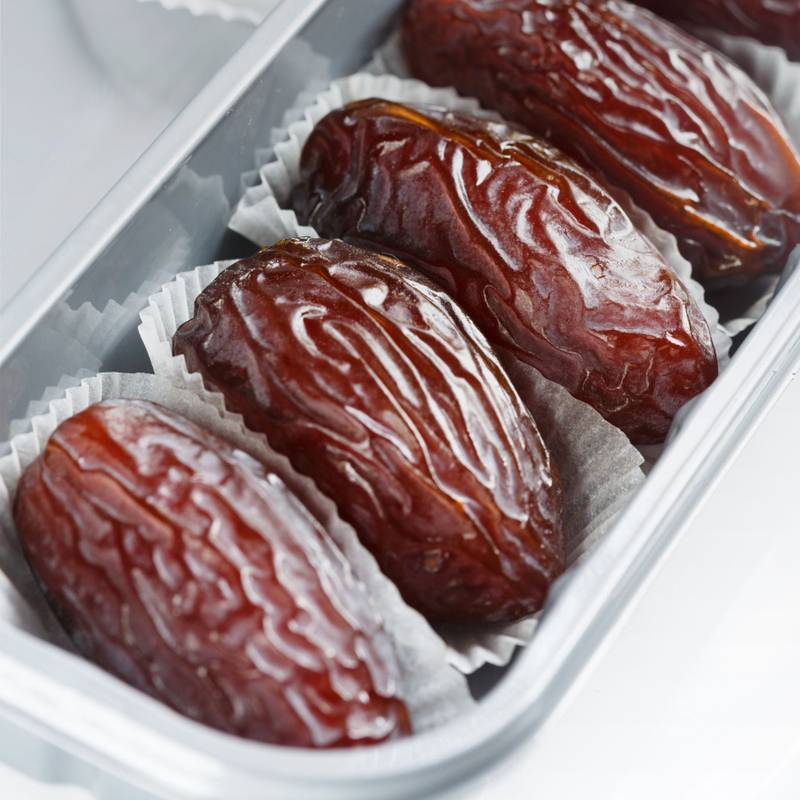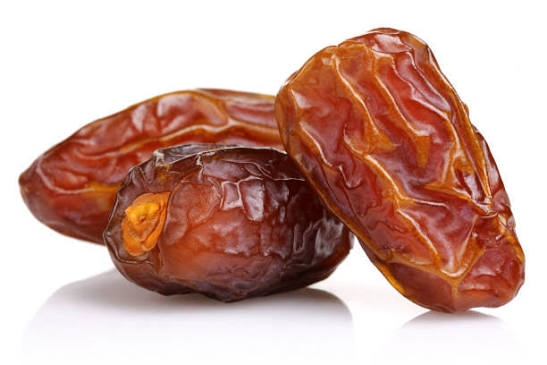


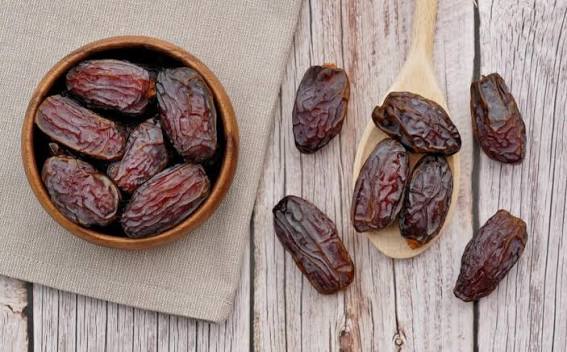
Why Do Some Dates Have Larger or Smaller Seeds?
Why Is Date Seed Size Different Between Varieties?
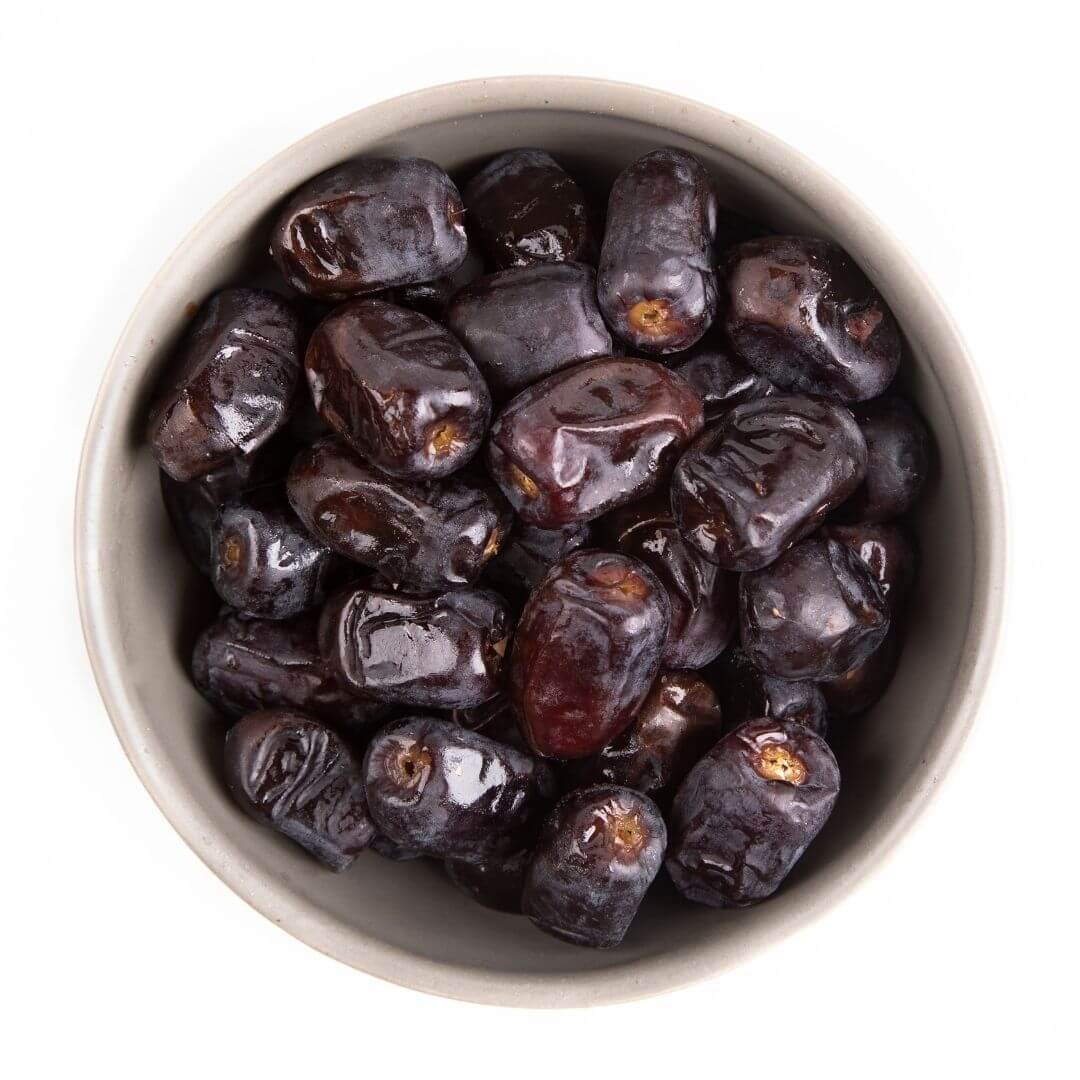
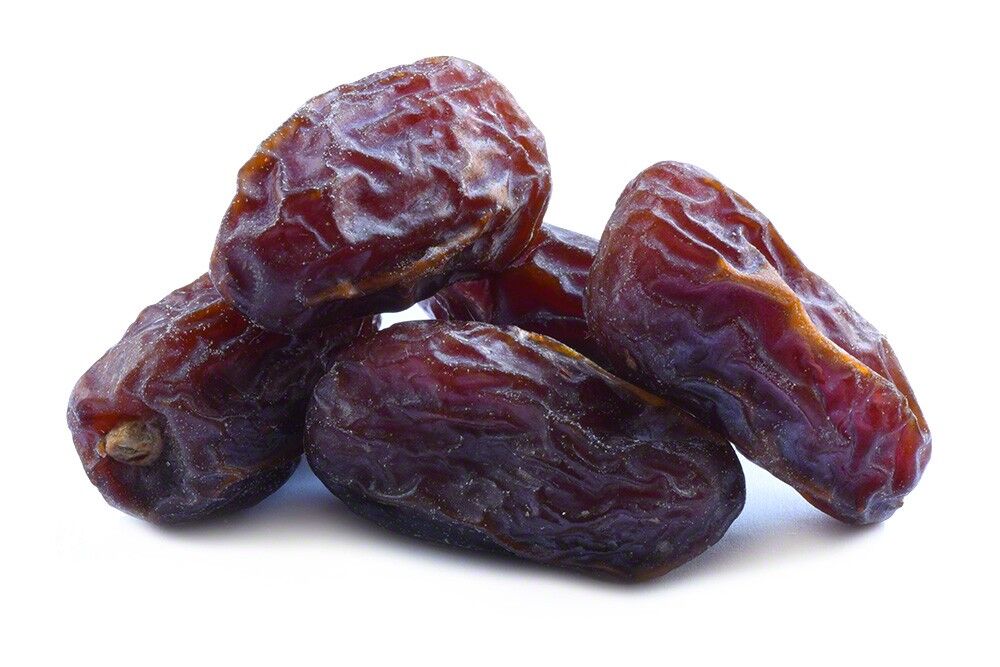
Date varieties are not identical in their physical structure. Each variety has its own genetic characteristics that influence the shape, size, texture, color, and internal structure of the fruit.
The seed, also known as the pit, is an important natural part of the date fruit. Its size and shape can vary considerably from one variety to another. Some varieties naturally produce relatively large pits, while others have smaller pits in relation to the fruit.
Therefore, differences in seed size should not automatically be interpreted as a sign of poor quality. In many cases, they are simply part of the natural characteristics of the variety.
Genetics and Date Seed Characteristics
Genetic characteristics are one of the most important factors determining the physical structure of a date fruit. The variety influences not only the external appearance of the fruit but also the characteristics of its seed.
This means that even when different varieties are grown under similar environmental conditions, their seeds may still differ in length, width, shape, and relative size.
Seed size should first be considered as a varietal characteristic. Environmental and production conditions can affect fruit development, but they do not make all varieties develop the same type of seed.
The Relationship Between Fruit Size and Seed Size
Fruit size and seed size are related to the overall structure of the date, but they do not necessarily increase at the same rate.
A large date does not automatically have a proportionally large seed. Likewise, a smaller date can sometimes have a relatively large pit compared with its total fruit size.
For bulk buyers, this distinction is important because fruit size alone does not provide enough information about the amount of edible flesh available after the seed is removed.
What Is the Pit-to-Flesh Ratio?
The pit-to-flesh ratio describes the relationship between the date seed and the edible portion of the fruit. This relationship can vary between date varieties and is an important physical characteristic for some commercial applications.
Two dates with similar external sizes may not necessarily provide exactly the same amount of edible flesh after pitting. Differences in seed size and fruit structure can contribute to this variation.
For this reason, processors and buyers who purchase dates for pitting or further processing may pay particular attention to the relationship between fruit size and seed size.
Can Growing Conditions Affect Date Seed Characteristics?
The basic characteristics of a date seed are mainly determined by the variety and its genetic structure. However, growing conditions can influence the overall development of the fruit.
Factors such as water availability, temperature, soil conditions, and general orchard management can affect fruit development and physical characteristics. As a result, the apparent relationship between fruit size and seed size may vary between growing environments.
It is therefore useful to distinguish between the natural characteristics of a variety and the effects of the growing environment when evaluating dates from different production regions.
A difference in seed size between two date samples does not necessarily indicate a difference in quality. The variety, fruit size, growing conditions, maturity stage, and post-harvest handling should all be considered.
Does Seed Shape Also Differ Between Date Varieties?
Yes. Date seeds can differ not only in size but also in their overall shape and physical appearance. Depending on the variety, a pit may be relatively long, short, narrow, wide, or have a different surface structure.
These characteristics are natural features of the variety and can become relevant during industrial processing, particularly when the fruit is mechanically pitted.
Why Does Seed Size Matter in Pitted Date Production?
Seed removal is an important processing step for many commercial date products. Dates intended for pitting need to be suitable for the specific processing method and equipment used by the processor.
The physical characteristics of the fruit and pit can influence the pitting process. Processors may therefore consider fruit size, firmness, pit characteristics, flesh condition, and uniformity when selecting raw material.
Does a Larger Seed Mean Lower Date Quality?
No. Seed size by itself is not a direct indicator of date quality. A variety can naturally have a relatively large pit and still provide a commercially valuable and high-quality product.
Quality should be evaluated using a broader set of characteristics, including fruit condition, texture, moisture, appearance, cleanliness, maturity, uniformity, and compliance with the buyer's specifications.
For this reason, buyers should avoid judging the quality of a bulk shipment based only on seed size or other single physical characteristics.
Does a Larger Date Always Contain More Edible Flesh?
Not necessarily. The total size of the fruit is only one part of the equation. The size and structure of the seed also affect how much of the fruit consists of edible flesh.
For commercial applications where the final product is based on pitted dates, the relationship between fruit size and seed size can therefore be more useful than fruit size alone.
This is particularly relevant when comparing raw materials intended for processing, where yield after pitting may be an important commercial consideration.
Why Is Seed Size Important for Bulk Date Buyers?
For buyers purchasing dates in bulk, the importance of seed size depends on the intended use of the product. For direct consumption, seed size may be less important than appearance, texture, flavor, and overall fruit quality.
For processors, however, seed characteristics can become more relevant. Companies producing pitted dates, date paste, date-based ingredients, or other processed products may need to consider the amount and characteristics of the seed during raw material selection.
What Should Bulk Buyers Check Besides Seed Size?
- Date variety and origin
- Average fruit size and weight
- Seed-to-flesh relationship
- Texture and firmness
- Moisture level
- Color and appearance
- Fruit uniformity
- Overall fruit condition
- Suitability for pitting or further processing
- Actual product samples before placing a bulk order
Why Is Sampling Important Before a Bulk Date Purchase?
A product description or variety name alone cannot provide a complete picture of a bulk shipment. Physical characteristics can vary depending on production conditions, maturity stage, grading, and post-harvest handling.
Examining a representative sample allows buyers to evaluate the actual fruit rather than relying only on the name of the variety. This can be particularly useful when the final application involves pitting or further processing.
How Should Seed Size Be Considered in a Bulk Date Specification?
When preparing a bulk date specification, seed size can be included when it is relevant to the intended application. However, it should not normally be treated as an isolated quality criterion.
A more complete specification may include the date variety, origin, fruit size, moisture range, texture, color, maturity, grading requirements, packaging, and intended use. For pitted-date production, the characteristics of the seed and expected yield after pitting may also be relevant.
Clear specifications help buyers and suppliers establish a more accurate understanding of the product before the order is finalized.
Natural Differences Should Not Be Confused With Quality Problems
One of the most important points for date buyers is distinguishing natural varietal differences from actual quality defects. A larger or smaller seed can simply be a normal characteristic of the variety.
Quality concerns should instead be evaluated through factors such as damaged fruit, abnormal texture, unwanted moisture changes, infestation, contamination, poor handling, or failure to meet agreed product specifications.
This distinction is particularly important when purchasing Iranian dates in bulk, because different varieties naturally have different physical structures and commercial characteristics.
Conclusion
Date seed size varies naturally between varieties, primarily because of genetic differences. Fruit development, growing conditions, maturity, and other production factors can also influence the overall relationship between the pit and the edible flesh.
For bulk buyers, seed size should therefore be considered as one physical characteristic rather than a direct measure of quality. The most reliable evaluation combines variety, fruit size, texture, moisture, appearance, uniformity, condition, and the intended commercial application.
For processors and manufacturers of pitted dates, understanding the relationship between seed characteristics and edible flesh can also help in selecting suitable raw material for the required production process.
Looking for Iranian dates in bulk? Contact us for product specifications, samples, and wholesale inquiries.
Contact Us for Wholesale OrdersDate characteristics may vary according to variety, growing region, production conditions, maturity stage, and post-harvest handling.