

How Does Harvest Timing Affect Date Quality and Commercial Characteristics?
Date quality is influenced by several factors, including variety, growing region, climate, irrigation, orchard management, post-harvest handling, and storage conditions. However, the timing of harvest is particularly important because it determines the maturity stage at which the fruit leaves the palm.
Dates can be harvested at different stages depending on the variety and the intended use of the product. Some dates are marketed at a softer and more mature stage, while others may be harvested and handled at a stage that provides better suitability for transportation, storage, or further processing.
The Relationship Between Harvest Timing and Date Maturity
As dates develop on the palm, their physical characteristics gradually change. Moisture, firmness, color, texture, and overall appearance can change as the fruit progresses through different stages of maturity.
Harvesting too early or too late can therefore result in a product with characteristics that differ from those expected for a particular variety or market. For commercial buyers, understanding the maturity stage is important when evaluating whether a lot meets the required specifications.
How Harvest Timing Affects Moisture
Moisture is one of the important physical characteristics of dates. As the fruit matures, its moisture content and texture can change considerably. The moisture level at harvest can therefore influence the softness, chewiness, appearance, and subsequent storage behavior of the product.
For bulk buyers, moisture is particularly important because it can affect how dates behave during transportation, storage, sorting, packaging, and processing. The required moisture characteristics may also differ depending on the intended use of the product.
The Effect of Harvest Timing on Date Texture
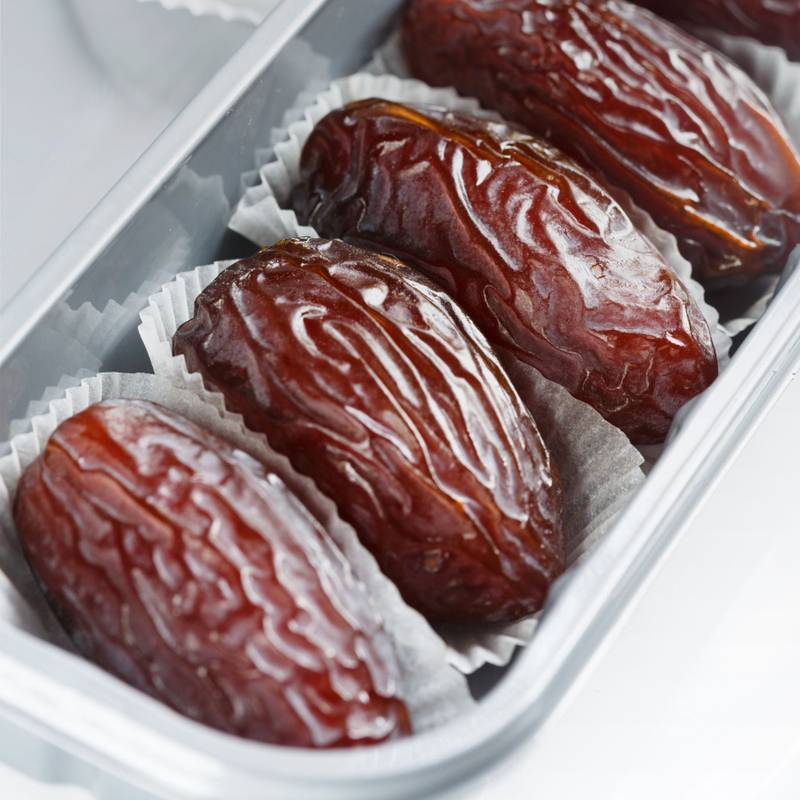
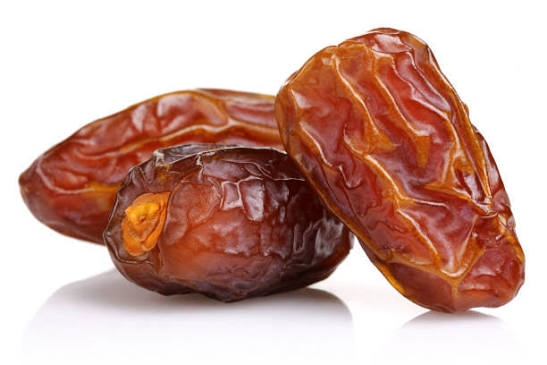
Texture is another characteristic that can change as dates mature. Depending on the variety and maturity stage, dates may become softer, firmer, more pliable, or more wrinkled as they develop.
For consumers and commercial buyers, texture can be an important part of product specifications. A date intended for direct consumption may require different texture characteristics from a date intended for pitting, paste production, ingredient manufacturing, or further processing.
This is why harvest timing should be considered together with the intended application rather than being treated as a universal quality standard.
Harvest Timing and Date Color
The color of dates is also related to their stage of development and maturity. Different varieties naturally develop different colors, but changes during maturation can influence the final visual appearance of the fruit.
For commercial markets where appearance is an important specification, the maturity stage at harvest can therefore have an impact on the visual consistency of a shipment.
However, color should not be used as the only indicator of quality. A proper evaluation should also consider variety, moisture, texture, fruit condition, size, defects, and the specifications agreed between the buyer and supplier.
Early Harvesting and Its Commercial Implications
Harvesting dates too early may result in fruit that has not fully developed the characteristics expected at the preferred maturity stage. Depending on the variety, this can affect texture, color, moisture, and other physical characteristics.
For bulk buyers, early harvesting may become important when evaluating whether a shipment matches the agreed product specifications. A sample should therefore be assessed based on the characteristics required for the intended market rather than simply on the date of harvest.
Late Harvesting and Potential Quality Risks
Leaving dates on the palm for an extended period can also influence their physical condition. Depending on environmental conditions and variety, prolonged exposure may increase the risk of excessive drying, physical damage, cracking, or other quality-related issues.
The effects of late harvesting are not identical for every date variety. Climate, humidity, temperature, orchard conditions, and the natural characteristics of the variety all influence how the fruit responds during the later stages of maturation.
Harvest Timing and Storage Performance
The maturity stage at harvest can influence moisture and texture, and these characteristics are important during storage. Dates with different moisture levels may behave differently during transportation and storage.
For this reason, commercial storage decisions should consider the maturity and physical condition of the dates together with packaging, temperature, humidity, and storage duration.
A suitable harvest stage can help suppliers prepare dates that better match the requirements of the intended supply chain. Nevertheless, harvest timing alone does not determine shelf life; post-harvest handling and storage conditions remain critical.
Why Harvest Timing Matters for Different Markets
Different markets may require different physical characteristics from dates. A soft table date, a product intended for pitting, and a raw material for food processing may not require exactly the same maturity characteristics.
- Direct consumption: texture, appearance, moisture, and overall eating quality may be important.
- Pitted dates: fruit condition and suitable texture can be important for efficient seed removal and product handling.
- Food processing: moisture, texture, flesh condition, and processing suitability may be key considerations.
- Bulk distribution: consistency, physical condition, storage performance, and compliance with specifications are important.
Harvest Timing in Bulk Date Purchasing
For wholesale and bulk purchases, harvest timing should be considered as part of a broader quality assessment. Buyers should not rely on harvest date alone when evaluating a shipment.
A proper commercial evaluation can include variety, growing region, maturity stage, size, color, moisture, texture, defects, cleanliness, packaging requirements, and intended application.
What Should Bulk Buyers Check?
- Date variety and origin
- Harvest maturity and general fruit condition
- Moisture and texture
- Size and visual consistency
- Presence of defects or damaged fruit
- Intended application and processing requirements
- Storage and transportation conditions
- Agreed product specifications and sample approval
The Importance of Sampling Before Bulk Orders
Because harvest timing can influence several physical characteristics, sampling is an important part of bulk date purchasing. A representative sample allows buyers to evaluate the actual condition of the product before confirming a larger order.
The sample can be assessed for maturity-related characteristics such as moisture, texture, color, size, consistency, visible defects, and suitability for the intended application.
This approach is particularly useful for international buyers and distributors who need to ensure that the final shipment matches the agreed commercial specifications.
Harvest Timing Is One Part of Overall Date Quality
Harvest timing is an important factor in determining the physical and commercial characteristics of dates, but it should not be considered independently. Variety, growing region, climate, irrigation, orchard management, post-harvest handling, transportation, packaging, and storage can all contribute to the final quality of a shipment.
For bulk buyers, the most reliable approach is to evaluate the complete product specification and confirm quality through representative sampling. The appropriate harvest stage is ultimately the stage that produces dates suitable for the intended application and target market.
Looking for Dates for Bulk Purchase?
If you are looking for Iranian dates for wholesale, distribution, export, or food processing, product specifications and intended application can be discussed before placing a bulk order.
Contact Us for Bulk OrdersDate quality can vary according to variety, growing conditions, maturity, harvest timing, post-harvest handling, and storage conditions. Commercial specifications should be confirmed through product sampling and agreement between buyer and supplier.